
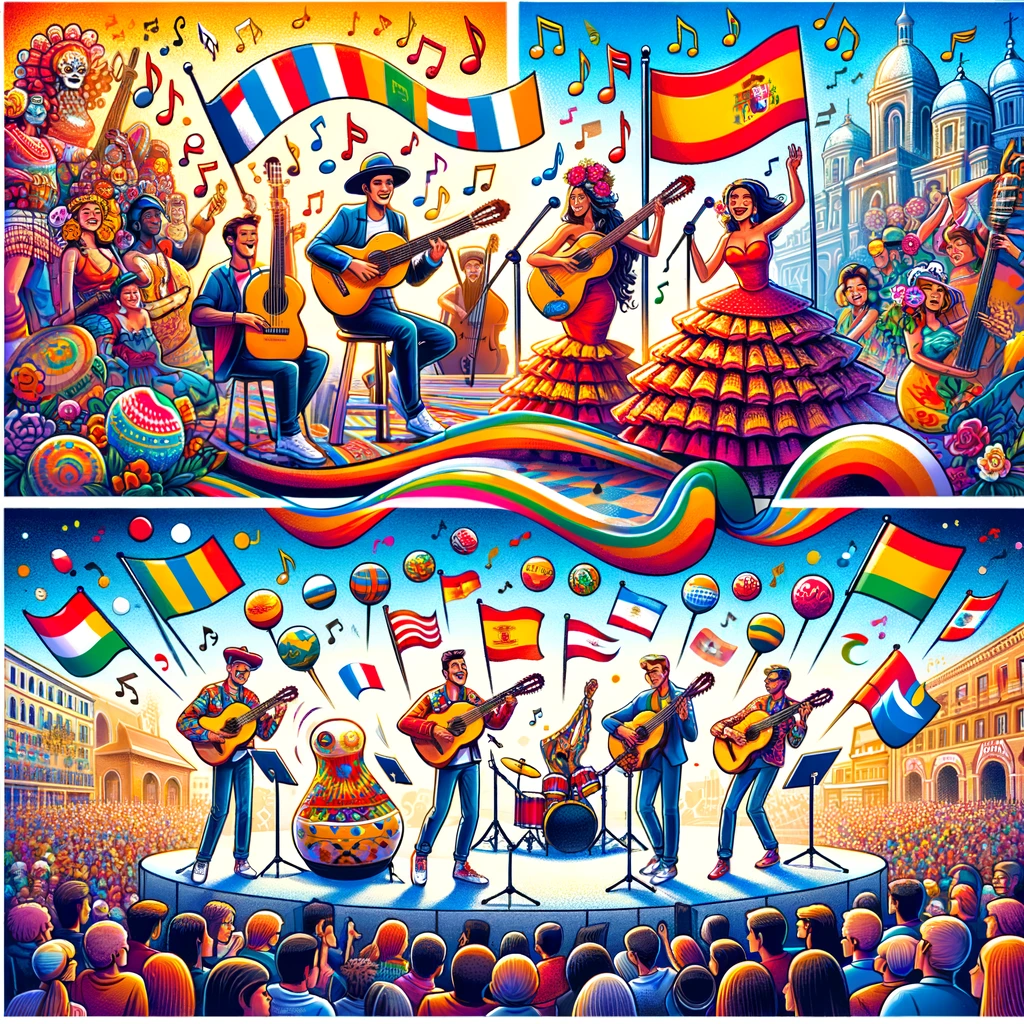
The Spanish language is one of the most widely spoken languages in the world. Today, it is spoken by over 580 million people, making it the second-most spoken language in the world by native speakers. Given its widespread use, it’s no surprise that Spanish has had a significant influence on various aspects of global culture, including music. The rich melodies and passionate rhythms inherent to Spanish-speaking countries have made lasting impacts on music genres worldwide.
The Roots of Spanish Influence in Music
The Spanish language and its musical elements have deep historical roots that stretch back centuries. Flamenco, a musical genre that originated in Andalusia, Spain, is a salient example. Flamenco is characterized by its intense emotional expression, intricate guitar work, and riveting rhythms. Its influence can be seen in many modern genres across the globe.
Furthermore, Spain’s colonization efforts brought with them cultural amalgamations that gave birth to numerous other genres such as Latin Jazz, Tango, and Mariachi. These genres blend the unique elements of Spanish music with indigenous and African influences, creating rich tapestries of sound that have become globally recognized.
123 Colonization not only influenced the genres but also paved the way for the Spanish language to become deeply interwoven with the musical traditions of various regions. As these regions experienced political and social changes, the music often served as a vehicle for cultural expression and unity.
Latin Pop and Reggaeton: Global Phenomena
Latin Pop has become one of the most successful and recognizable genres in the global music industry. Artists like Shakira, Ricky Martin, and Enrique Iglesias have brought Spanish-infused pop music to international audiences, earning countless awards and topping charts worldwide. Their bilingual abilities have allowed them to break into both English- and Spanish-speaking markets, further solidifying the global reach of Spanish-language music.
Reggaeton is another genre that has seen massive worldwide popularity over the past two decades. Originating in Puerto Rico in the late ’90s, it combines elements of reggae, dancehall, and Latin American music. Reggaeton relies heavily on Spanish lyrics and is renowned for its catchy rhythm and energetic beats. Icons such as Daddy Yankee, J Balvin, and Bad Bunny have propelled reggaeton to the forefront of global music, dominating streaming platforms and sold-out arenas.
These genres illustrate the pervasive influence of Spanish on contemporary global music, showcasing its ability to adapt and thrive across various musical landscapes.
Traditional Spanish Music in Modern Times
While genres like Latin Pop and Reggaeton have captured the current musical landscape, traditional Spanish music continues to have a strong presence. Flamenco, in particular, is celebrated worldwide and has even achieved UNESCO’s intangible cultural heritage status. Modern artists continue to incorporate elements of Flamenco into their work, providing a bridge between the old and the new.
Other traditional forms, such as Mariachi and Salsa, remain popular not only within Spanish-speaking communities but also among international audiences. Mariachi bands are often featured in films, commercials, and global festivals, while Salsa clubs can be found in major cities around the world.
The preservation and ongoing evolution of these traditional forms of Spanish music serve as a testament to their enduring appeal and cultural importance.

Spanish Language in American Music
The influence of the Spanish language extends into American music as well. Many American artists have embraced Spanish in their lyrics to appeal to a broader audience. Hits like “Despacito” by Luis Fonsi and Daddy Yankee, featuring Justin Bieber, have showcased the seamless blend of English and Spanish. The song’s success is a clear indicator of the growing acceptance and popularity of Spanish-language music in mainstream American culture.
Even before the “Despacito” phenomenon, many other artists had incorporated Spanish into their songs. Madonna’s “La Isla Bonita” and the more recent “La La La” by Shakira and Carlinhos Brown are just a few examples of how mainstream artists have harnessed the allure of Spanish to enhance their tracks.
The inclusion of Spanish isn’t limited to pop music; genres such as hip-hop and rock have also seen artists employing Spanish in their lyrics, creating a more inclusive and diverse musical landscape.
Educational Impact and Cultural Exchange
The influence of Spanish in music also extends to education and cultural exchange. Learning Spanish through music can be an effective and enjoyable method for students. Lyrics can often make it easier to remember vocabulary and grasp complex grammatical structures. Educational institutions and language programs frequently use music as a learning tool, recognizing its power to engage students and make learning more relatable.
Moreover, music acts as a cultural bridge, fostering greater understanding and appreciation of Spanish-speaking cultures. Students and music enthusiasts alike gain insights into the social contexts, histories, and traditions that shape Spanish-language music. This cultural exchange promotes a richer, more inclusive global community.
Language-learning apps and online platforms often feature Spanish songs as part of their curriculum, reinforcing the idea that music is an invaluable educational resource.
The Future of Spanish-Language Music
As we look to the future, the influence of the Spanish language on global music shows no signs of slowing down. Emerging artists continue to innovate, blending traditional Spanish sounds with contemporary genres like electronic dance music (EDM) and hip-hop. The advent of social media and music streaming platforms provides artists with direct access to global audiences, further amplifying the reach of Spanish-language music.
Additionally, collaborations between Spanish-speaking artists and those from other linguistic backgrounds are becoming increasingly common. These collaborations foster cross-cultural dialogues and produce unique, genre-defying musical experiences. Artists like Rosalía are pushing the boundaries of traditional Spanish music by integrating flamenco with pop and urban sounds, showcasing the limitless potential of Spanish-language music.
The increasing recognition and celebration of Spanish-language music at prestigious awards shows and music festivals highlight its growing influence and continued relevance in the global music scene.
Conclusion
The Spanish language has undeniably left an indelible mark on world music. From its historical roots in Flamenco to the modern-day popularity of Latin Pop and Reggaeton, Spanish-language music continues to captivate and inspire audiences worldwide. This influence is not just limited to Spanish-speaking countries but extends to the far corners of the globe, highlighting the universal appeal and adaptability of Spanish music.
As we continue to embrace and celebrate diverse musical traditions, the Spanish language’s role in shaping the global music scene becomes even more evident. Whether through the preservation of traditional forms or the innovation of modern genres, Spanish-language music remains a powerful force in the world of music. Its ability to bring people together and bridge cultural divides is a testament to the enduring legacy and future potential of the Spanish language in global music.


