Family occasions, whether joyous or solemn, play a vital role in our lives. These events provide moments for bonding, creating memories, and cherishing traditions. In Spanish-speaking cultures, family relationships are often celebrated with grand festivities and significant cultural rituals. Whether it’s a quinceañera, wedding, holiday gathering, or even a funeral, being able to discuss these events in Spanish can deepen your connections and enrich your experiences.
This article will provide you with a comprehensive list of essential Spanish vocabulary for discussing a variety of family events and occasions. From expressing joy at a wedding to talking about family vacations, you’ll find the vocabulary you need right here. Understanding these terms will not only help you participate in conversations but also allow you to appreciate the cultural significance of these gatherings.
So, whether you’re learning Spanish for travel, work, or to connect with Spanish-speaking relatives, let’s dive in and learn how to discuss family events and occasions in Spanish!
Family Gatherings
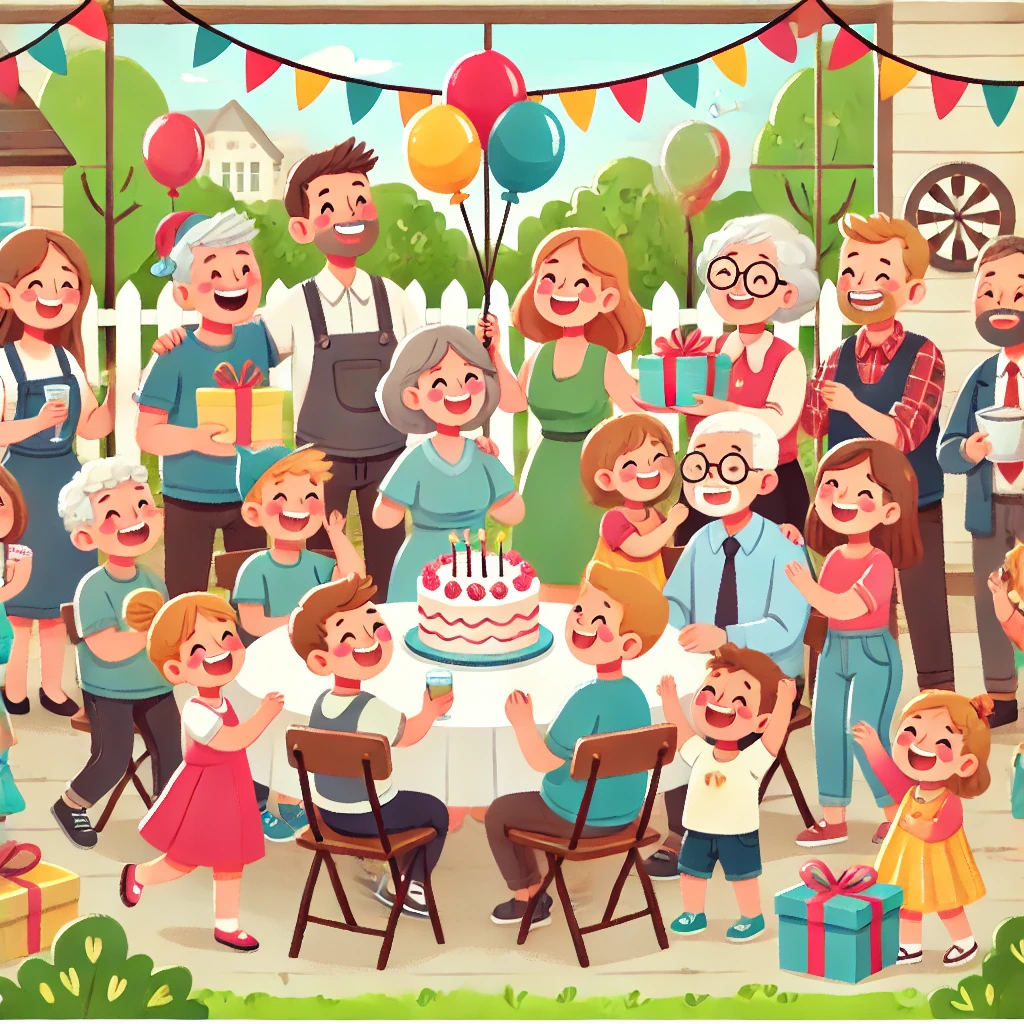
Family gatherings are common occasions where relatives come together to celebrate, catch up, and enjoy each other’s company. Here are some useful words and phrases for discussing family gatherings in Spanish:
- Reunión familiar: Family gathering
- Fiesta: Party
- Cena: Dinner
- Comida: Meal
- Barbacoa: Barbecue
- Celebración: Celebration
- Reunirse: To gather
- Compartir: To share
- Abrir regalos: To open gifts
- Brindar: To toast
- Charlar: To chat
These words will help you describe the different aspects of family gatherings and ensure that you can fully participate in the conversations. For instance, you might say, “Nos reunimos para una reunión familiar y abrimos los regalos” (We gathered for a family reunion and opened gifts).
Weddings
Weddings are significant life events that bring families together in celebration. Knowing the right vocabulary can help you navigate these festive occasions smoothly. Here are some key terms:
- Boda: Wedding
- Novio/Novia: Groom/Bride
- Festejar: To celebrate
- Banquete: Banquet
- Votos: Vows
- Altar: Altar
- Anillos: Rings
- Vestido de novia: Wedding dress
- Traje: Suit
- Regalos: Gifts
- Recepción: Reception
When discussing a wedding, you might use phrases like, “La boda fue hermosa y la novia llevaba un vestido elegante” (The wedding was beautiful and the bride wore an elegant dress).

Birthdays and Anniversaries
Celebrating birthdays and anniversaries is a key part of maintaining family bonds. Here are some useful Spanish terms for these events:
- Cumpleaños: Birthday
- Aniversario: Anniversary
- Pastel: Cake
- Velas: Candles
- Feliz cumpleaños: Happy birthday
- Fiesta de cumpleaños: Birthday party
- Feliz aniversario: Happy anniversary
- Cantar: To sing
- Soplar las velas: To blow out the candles
- Regalo: Gift
- Tarjeta: Card
Now you can wish someone “Feliz cumpleaños” or “Feliz aniversario,” and use phrases like, “Vamos a tener una fiesta de cumpleaños para mi hermana” (We are going to have a birthday party for my sister).
Cultural Celebrations
Each culture has its unique celebrations that hold special significance. In Spanish-speaking cultures, there are various traditional festivals and holidays that bring families together. Essential vocabulary includes:
- Navidad: Christmas
- Año Nuevo: New Year
- Semana Santa: Holy Week
- Día de los Muertos: Day of the Dead
- Quinceañera: Fifteenth birthday celebration for girls
- Carnaval: Carnival
- Fuegos artificiales: Fireworks
- Desfile: Parade
- Tradiciones: Traditions
- Costumbres: Customs
- Misal: Mass (religious service)
For example, you could say, “Durante el Día de los Muertos, las familias honran a los fallecidos con altares y ofrendas” (During the Day of the Dead, families honor the deceased with altars and offerings).
Funerals and Remembrances
Sadly, family events also include funerals and memorial services. Being able to speak about these occasions sensitively and appropriately is important. Here are some relevant terms:
- Funeral: Funeral
- Velorio: Wake
- Cementerio: Cemetery
- Sepultura: Burial
- Recordar: To remember
- Condolencias: Condolences
- Pésame: Sympathy
- Despedida: Farewell
- Orar: To pray
- Homenaje: Tribute
- Misal: Memorial service
During such delicate moments, you might express sentiments by saying, “Expreso mis condolencias a la familia” (I express my condolences to the family) or “Hicimos un homenaje en su memoria” (We held a tribute in his memory).
Cooking and Eating Together
Cooking and sharing meals are fundamental activities in family life that bring members closer together. Here are some words and phrases related to cooking and eating in a family setting:
- Cocinar: To cook
- Cena familiar: Family dinner
- Recetas: Recipes
- Ingredientes: Ingredients
- Preparar: To prepare
- Cocina: Kitchen
- Plato: Dish (as in a meal)
- Almuerzo: Lunch
- Desayuno: Breakfast
- Merendar: To have a snack
- Acompañar: To accompany
For example, you might say, “Nos gusta cocinar juntos en la cocina y preparar recetas familiares” (We like to cook together in the kitchen and prepare family recipes) or “Disfrutamos de una cena familiar muy bonita” (We enjoyed a very nice family dinner).
Conclusion
The ability to discuss family events and occasions in Spanish not only enhances your language skills but also your cultural understanding. By learning the vocabulary associated with various family gatherings, weddings, birthdays, cultural celebrations, funerals, and shared meals, you deepen your connection with Spanish-speaking cultures and communities.
These words and phrases will enable you to participate more fully in conversations about key moments in life. Whether it’s celebrating a quinceañera, attending a family barbecue, offering condolences at a funeral, or simply enjoying a home-cooked meal with loved ones, your enhanced vocabulary will serve you well.
Remember, language learning is a process, and the more you practice and incorporate new words into your conversations, the more confident and fluent you will become. Use the words and phrases in this guide as a starting point to explore the rich and diverse traditions of Spanish-speaking families.