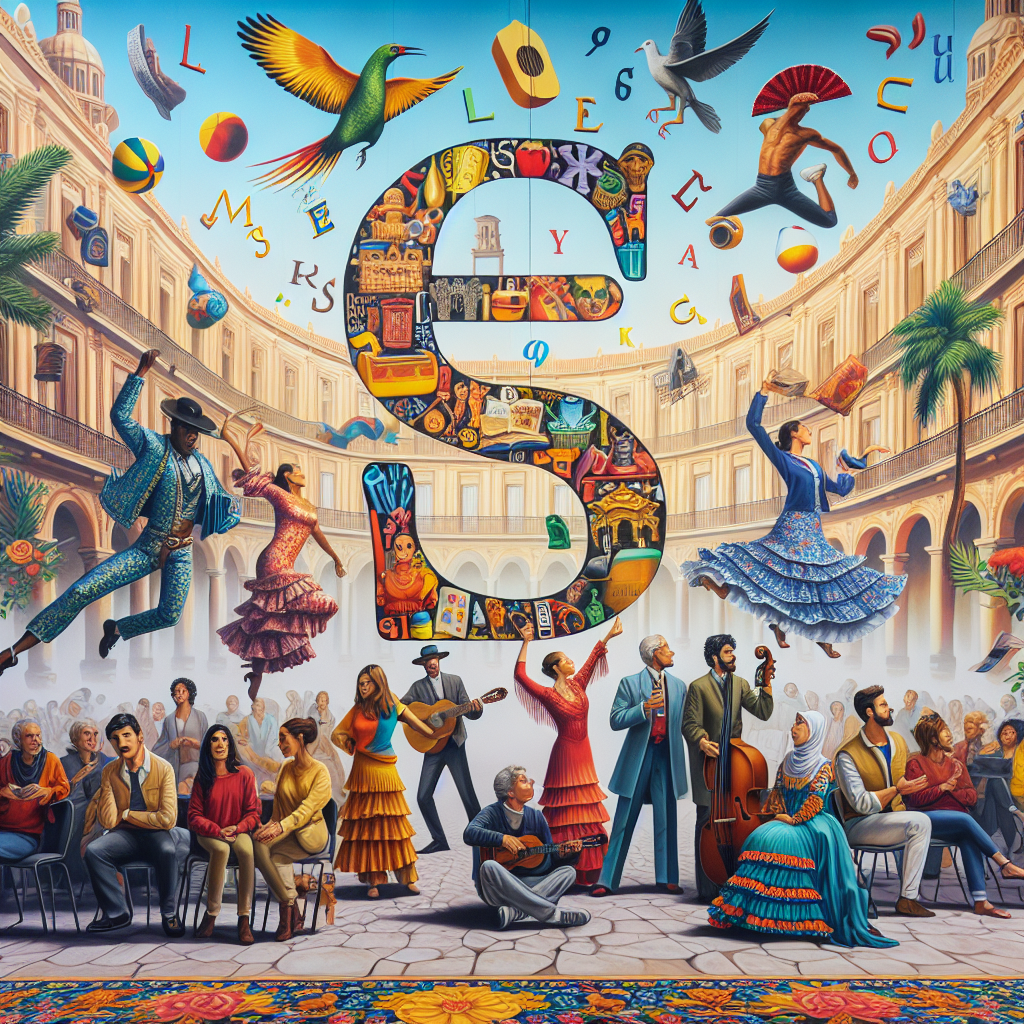
Learning a new language is always an enriching experience, but to truly master a language, one must dive deeper than just grammar and vocabulary. This is especially true for Spanish, a language spoken by over 460 million people worldwide, hailing from diverse cultural backgrounds. This article explores the significance of cultural context in learning Spanish and how it can profoundly impact a learner’s proficiency and connection to the language.
Introduction: Understanding Cultural Context
When it comes to learning Spanish, understanding the cultural context isn’t just a bonus—it’s essential. Language is an integral part of culture, and every phrase, idiom, and word choice is steeped in cultural significance. To speak Spanish fluently, comprehension of these cultural nuances is crucial.
Consider idiomatic expressions, for example. These are deeply embedded in the daily language and often stem from historical or social contexts unique to Spanish-speaking communities. Without cultural insight, a learner might miss the subtle meanings behind phrases like “más vale tarde que nunca” (better late than never) or “no hay mal que por bien no venga” (every cloud has a silver lining).
Moreover, the cultural context helps you understand regional variations in the Spanish language. Every Spanish-speaking country has its regional dialects and slang. Whether you’re in Mexico, Spain, or Argentina, the language can differ significantly. For example, the word for “bus” in Spain is “autobús,” while in Mexico, it’s often called “camión.” Understanding these differences requires cultural awareness, which ensures you communicate effectively with native speakers from different regions.
Therefore, integrating cultural studies into your Spanish learning process can make your language use more authentic and relatable. It allows you to resonate better with native speakers, ultimately enhancing communication and building stronger interpersonal connections. Now, let’s delve deeper into why cultural context matters and how it can be incorporated into your Spanish learning journey.
Language and Culture Are Inseparable
To separate language from culture is like trying to separate the sound of music from a song. One cannot exist meaningfully without the other. This holds especially true in Spanish, a language that is rich with cultural references, history, and traditions.
For instance, consider the Spanish celebration of La Tomatina in Buñol, Spain. This annual tomato-throwing festival is not just a quirky event; it has cultural significance that dates back to the 1940s. When you understand the history and cultural context behind such events, you appreciate the language in which they are described and can reference them comfortably in conversations.
Moreover, language and cultural norms guide communication styles. In many Spanish-speaking cultures, formality and politeness are paramount. For example, using “usted” instead of “tú” can convey respect. Knowing when to use these forms depends on understanding the cultural context of relationships, age, social status, and the setting.
Immersing yourself in the cultural aspects of Spanish can also help correct common misinterpretations. Certain gestures, facial expressions, or casual phrases can hold different meanings across cultures. For instance, giving someone a thumbs-up in Spain may be perceived differently than in another country. These nuances play a significant role in how messages are received and interpreted.
Therefore, as you embark on your journey to learn Spanish, remember that language and culture are two sides of the same coin. Immerse yourself in the cultural context of the language, and you’ll find yourself understanding and speaking Spanish more naturally and confidently.
Learning Through Immersive Experiences
One of the most effective ways to understand cultural context is through immersive experiences. Traveling to Spanish-speaking countries, engaging with native speakers, and participating in local customs can provide invaluable insights that textbooks simply cannot.
Imagine visiting a bustling open-air market in Mexico City or Barcelona. The sounds, smells, and interactions you experience will offer a richer understanding of how the Spanish language is used in everyday life. You’ll pick up on colloquial phrases, recognize the rhythm and intonation of native speakers, and understand the etiquette of bargaining, which is an integral part of the local culture.
Studying abroad or participating in exchange programs can also immerse you in the culture. Living with a host family, attending local schools, or volunteering in community projects can offer firsthand exposure to cultural behaviors, traditions, and language use in diverse contexts. These experiences contribute to developing a deeper connection with the language and its native speakers.
Even if traveling isn’t feasible, technology can help bridge the gap. Virtual exchanges, language exchange apps, and online cultural activities can replicate some aspects of immersive experiences. Watching movies, reading books, or following social media influencers from Spanish-speaking countries can also provide cultural insights and enhance your language skills.
By immersing yourself in the cultural context of Spanish, you will improve your language comprehension and develop an empathy and appreciation for the diverse cultures within the Spanish-speaking world. This holistic approach to language learning can accelerate your progress and make the journey more enjoyable and meaningful.

Leveraging Multimedia Resources
In today’s digital age, an abundance of multimedia resources can help you integrate cultural context into your Spanish learning journey. These resources make learning more dynamic and engaging while providing cultural exposure.
Films and television shows from Spanish-speaking countries present authentic dialogues and showcase diverse cultures. Consider watching series like “La Casa de Papel” (Money Heist) or “Club de Cuervos.” These shows highlight linguistic nuances, colloquial expressions, and cultural themes that can deepen your understanding of the language.
Music is another powerful tool for cultural immersion. Spanish music genres like flamenco, reggaeton, salsa, and bachata each have unique cultural backgrounds. Listening to songs and understanding their lyrics can enhance your vocabulary, pronunciation, and cultural insights. For instance, songs by artists like Shakira, Enrique Iglesias, or Bad Bunny provide a window into contemporary Spanish culture.
Another great resource is podcasts. There are numerous Spanish-language podcasts that explore topics ranging from history to popular culture. These podcasts can expose you to different accents, vocabulary, and cultural references. Subscribing to a podcast like “Notes in Spanish” or “Español con Juan” can be an excellent supplement to traditional language studies.
Utilizing these multimedia resources in your learning process allows you to integrate cultural context naturally and enjoyably. Consuming content in Spanish not only improves language comprehension but also provides an authentic cultural experience that textbooks alone cannot offer.
The Role of Cultural Events and Holidays
Understanding and participating in cultural events and holidays is another effective way to grasp the cultural context of the Spanish language. These events offer a deep insight into the values, traditions, and collective identity of Spanish-speaking communities.
Let’s take a closer look at Día de los Muertos (Day of the Dead) celebrated in Mexico. This holiday honors deceased loved ones and reflects the Mexican perspective on life and death. The language used during this celebration is infused with cultural significance and emotions. By learning about Día de los Muertos, you not only gain new vocabulary but also understand the cultural importance behind the words and phrases used.
In Spain, the Running of the Bulls during the San Fermín festival in Pamplona is another culturally rich event. Understanding the historical and cultural background of this event, along with the specific vocabulary associated with it, can deepen your appreciation and comprehension of the Spanish language.
Celebrating these events, even remotely, can be beneficial. Watching documentaries, reading articles, or joining virtual celebrations can provide cultural insights and language learning opportunities. Additionally, many Spanish-speaking communities around the world organize events and celebrations that you can participate in locally.
Engaging with cultural events and holidays helps solidify your language skills by providing a context to practice and apply what you’ve learned. It brings the language to life by connecting it with real-world traditions and practices, making the learning process both educational and enjoyable.
Conclusion: Embrace the Journey of Cultural Immersion
In conclusion, learning Spanish goes beyond mastering grammar and vocabulary. To truly speak the language with fluency and authenticity, it is essential to understand and embrace its cultural context. Language and culture are intertwined, and cultural awareness enhances communication, deepens connections, and enriches the overall learning experience.
By immersing yourself in the cultural aspects of Spanish, you gain a fuller, more nuanced understanding of the language. This immersion can be achieved through travel, engaging with native speakers, leveraging multimedia resources, and participating in cultural events. Each of these approaches provides unique insights and practical language applications that contribute to your overall proficiency.
So, as you continue on your Spanish learning journey, remember to integrate cultural studies into your practice. Whether it’s watching a Spanish film, listening to music, or celebrating a cultural holiday, these experiences will not only improve your language skills but also foster a deep appreciation for the rich and diverse cultures within the Spanish-speaking world.
Embrace the journey of cultural immersion, and you will find that learning Spanish becomes not just an academic endeavor but a meaningful and enriching experience that connects you to people and communities across the globe.