Introduction to Indigenous Languages and Mexican Spanish
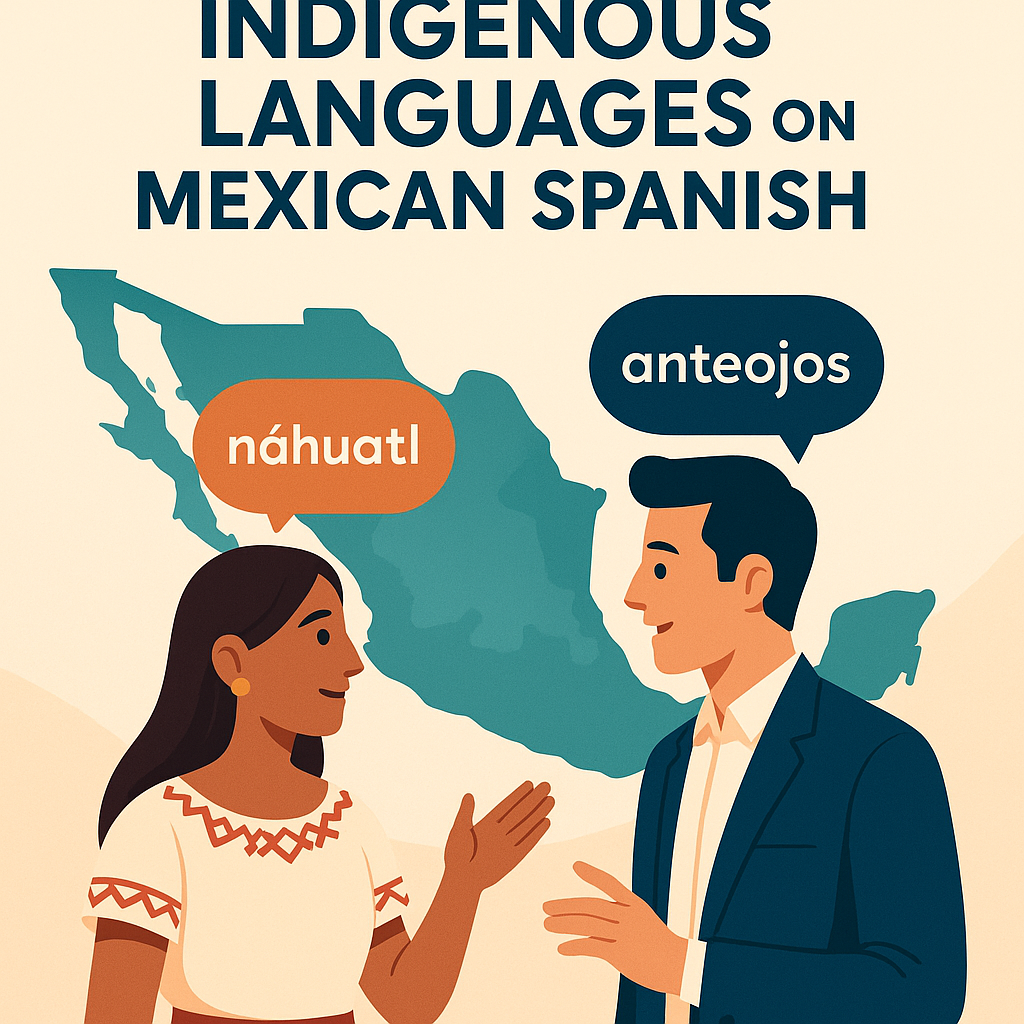
The culture and linguistic landscape of Mexico are rich tapestries woven from centuries of diverse influences. Mexico, as a multilingual nation, is home to over 68 indigenous languages. These indigenous languages, including Nahuatl, Maya, and Zapotec, among others, have profoundly impacted Mexican Spanish, shaping it into a vibrant and distinctive dialect of the Spanish language.
To understand the impact, we must first define what constitutes Mexican Spanish. Mexican Spanish is the variant of Spanish spoken in Mexico, influenced by both its colonial history and its indigenous roots. Indigenous languages are the native languages of the pre-colonial cultures that inhabited Mexico, each with their unique linguistic structures and vocabulary. Understanding the intersection between indigenous languages and Mexican Spanish matters because it enriches our appreciation of cultural diversity, linguistic evolution, and historical influences, offering insights into how languages adapt and transform over time.
The impact of indigenous languages on Mexican Spanish extends beyond mere vocabulary. It includes phonetic, grammatical, and syntactic influences. Recognizing these variations is essential for linguists, anthropologists, and anyone interested in the cultural history of Mexico. Moreover, in a global context, exploring such linguistic interplays enhances cross-cultural understanding and communication.
Vocabulary and Lexicon Influences
One of the most visible impacts of indigenous languages on Mexican Spanish is its vocabulary. Numerous words in Mexican Spanish have origins in native languages, particularly Nahuatl, which was the language of the Aztecs and is still widely spoken in central Mexico.
Consider the word “chocolate,” derived from the Nahuatl word “xocolatl,” which meant a bitter drink made from cacao. Similarly, words such as “tomate” (tomato), “chicle” (chewing gum), and “aguacate” (avocado) also trace their roots back to indigenous languages.
Indigenous languages have also contributed culturally specific terms that denote local flora, fauna, and traditional practices, enriching the Mexican Spanish lexicon. This integration of indigenous words reflects the indigenous people’s intimate knowledge of their natural surroundings and cultural practices.
- Chocolate – from Nahuatl “xocolatl”
- Tomate – from Nahuatl “tomatl”
- Chicle – from Nahuatl “chictli”
- Aguacate – from Nahuatl “ahuacatl”
Phonetic Changes and Pronunciation
Beyond vocabulary, indigenous languages have contributed to the phonetic aspects of Mexican Spanish. Indigenous phonetic sounds have been absorbed, influencing how certain words are pronounced. A prime example is the softening of certain consonant sounds, such as “tl,” prevalent in Nahuatl.
The integration of the “tl” sound is iconic in Mexican Spanish. Words like “atole” (a traditional hot corn and masa-based beverage) include this sound, demonstrating the phonetic influence of Nahuatl. Another example is the geographical place name “Tlalpan,” a district in Mexico City, showcasing how native phonetic patterns seamlessly blend into names and everyday vocabulary.
This phonetic adaptation creates a unique auditory experience in Mexican Spanish, distinguishing it from other Spanish dialects and highlighting the persistence and influence of indigenous languages.
Grammatical Structures and Syntax
Indigenous languages have also subtly influenced the grammar and syntax of Mexican Spanish. While Spanish and indigenous languages belong to different language families, syntactic structures, and grammar rules in Spanish have intersected with indigenous linguistic patterns in certain regions.
For instance, the use of diminutives in Mexican Spanish often mirrors similar constructions found in indigenous languages. The frequent use of endings like “-ito” or “-ita” can denote smallness, intimacy, or affection, reflecting cultural communicative styles passed down through generations. Such grammatical features exemplify how indigenous and Mexican Spanish have co-evolved, enriching linguistic expression.
Cultural Expressions and Idioms
Cultural expressions and idioms are language’s soul, offering insights into a community’s shared beliefs and values. Indigenous languages have profoundly shaped Mexican Spanish idiomatic expressions, reflecting traditional beliefs, customs, and societal norms embedded within the language.
An illustrative example is the expression “dar el avión,” meaning to pretend to agree while not really listening or caring. This expression could be traced back to indigenous metaphors that align with cultural views about appearances versus reality. Additionally, phrases such as “echarse un taco,” literally meaning to eat a taco, have turned into colloquial idiomatic expressions signifying taking a break or having a bite.
These idiomatic expressions point to indigenous languages’ role in developing a unique cultural tapestry of Mexican Spanish, tying in linguistic creativity with cultural heritage.
Preservation of Indigenous Languages and Influence
While the influence of indigenous languages on Mexican Spanish is extensive, the preservation and revitalization of these languages in their original forms are equally important. Institutions and cultural groups are working to sustain these native languages, recognizing their intrinsic cultural value and their influence on Mexican Spanish.
Efforts to revive languages through education, media, and community programs highlight the importance of these languages in preserving cultural identity. These initiatives ensure that indigenous languages continue to inform and enrich Mexican Spanish while maintaining their distinctiveness.
| Indigenous Language | Mexican Spanish Word | Origin Word |
|---|---|---|
| Nahuatl | Cacahuate (peanut) | Cacahuatl |
| Zapotec | Tlacuache (opossum) | tlacuatzin |
| Maya | Itzamal (place name) | Itzamná |
Education and Linguistic Identity
The interplay between indigenous languages and Mexican Spanish also impacts educational practices and notions of identity in Mexico. For indigenous communities, embracing both their native languages and Mexican Spanish encourages bilingualism, fostering a multicultural identity among speakers.
In recent years, bilingual education programs have been pivotal in promoting linguistic diversity. Students learn in both Spanish and an indigenous language, broadening their communicative skills and cultural awareness. As a result, these educational programs empower indigenous communities, allowing them to anchor their identity in both their historic languages and Mexican society at large.
Summary and Next Steps
The impact of indigenous languages on Mexican Spanish is a testament to the rich cultural and linguistic heritage of Mexico. Through vocabulary, phonetics, grammar, and idiomatic expressions, indigenous languages have left an indelible mark on Mexican Spanish, reflecting a melding of traditions and histories that continue to influence the language today. Understanding these influences highlights the linguistic symbiosis that enriches the Spanish spoken in Mexico, providing depth and character unique to the region.
For readers interested in exploring further, consider learning more about specific indigenous languages within Mexico or even picking up simple phrases from these languages to truly appreciate their beauty and influence. Supporting educational efforts and cultural programs aimed at preserving these languages is a meaningful step toward honoring and maintaining the diverse linguistic landscape of Mexico. In doing so, you contribute to the ongoing celebration and recognition of linguistic heritage, ensuring that indigenous languages continue to inform and inspire future generations.
Frequently Asked Questions
1. How have indigenous languages influenced the vocabulary of Mexican Spanish?
Indigenous languages have left a significant mark on the vocabulary of Mexican Spanish, making it unique and colorful. Throughout history, Spanish settlers assimilated with indigenous communities, leading to a blending of languages. Numerous words used in Mexican Spanish today are borrowed from indigenous languages. For example, words like ‘chocolate’ and ‘tomate’ are derived from Nahuatl, the language of the Aztecs. Similarly, ‘cenote’, referring to natural sinkholes filled with water, comes from the Yucatec Maya language. These incorporations are indicative of the everyday life and cultural exchanges that occurred over centuries, with indigenous words enriching the lexicon of Mexican Spanish and adding layers of meaning and cultural significance.
2. In what ways have indigenous phonetics and pronunciation shaped Mexican Spanish?
Indigenous languages have also significantly influenced the phonetics and pronunciation of Mexican Spanish. The phonetic systems of languages like Nahuatl and Maya, which have different sounds and intonations compared to European Spanish, contributed to the distinct pronunciation in Mexico. For example, the ‘tl’ sound in Nahuatl words like ‘atl’ (water) is often mirrored in the way certain Spanish words are pronounced in Mexico, which you might not hear in other Spanish-speaking countries. The rhythm and cadence brought about by these influence make Mexican Spanish readily recognizable. This blending of sounds represents a deeper interaction between the Spanish settlers and indigenous communities, reflecting a fusion of cultures that is evident not only in the pronunciation but also in everyday speech patterns of Mexican Spanish speakers.
3. Can you give examples of indigenous language influence in Mexican Spanish place names?
Mexico is replete with place names that reveal indigenous heritage, demonstrating the influence of native languages on geographical nomenclature. Many current city and town names have roots in indigenous terms. For instance, the capital city, ‘Mexico’, is derived from the Nahuatl word ‘Mēxihco’. Similarly, ‘Oaxaca’ originates from the Nahuatl word ‘Huaxyacac’, and ‘Yucatan’ is famously explained as stemming from a misunderstanding between Spanish explorers and native inhabitants, many suggesting it derived from the Maya phrase ‘uh yu ka t’ann’, meaning ‘listen how they talk’. These names are more than mere identifiers; they tell stories of the areas’ histories and native peoples, preserving an element of cultural heritage and indigenous identity within everyday language.
4. How is the cultural significance of indigenous languages reflected in Mexican Spanish idioms and expressions?
Indigenous languages have contributed greatly to Mexican Spanish idioms and expressions, embedding cultural nuances and indigenous perspectives in everyday communication. Many idioms borrowed from indigenous lore or ways of life find expression in Mexican Spanish. For instance, the expression ‘echarle mucha crema a sus tacos’ translates as someone who is embellishing a story or being boastful, with ‘taco’ being a Nahuatl word itself. These expressions and their underlying meanings are quintessentially Mexican, as they often reflect traditional values, humor, and perspectives that are characteristic of the country’s indigenous heritage. This blending ensures that the cultural significance of indigenous languages lives on, influencing how people communicate ideas, humor, and wisdom through Mexican Spanish.
5. How are indigenous languages preserving their identity in the face of globalization and their impact on modern Mexican Spanish?
Indigenous languages in Mexico are vital to cultural identity and are fiercely preserved despite the pressures of globalization. Many indigenous communities actively promote bilingual education, ensuring younger generations learn both Spanish and their native language, which helps keep these languages vibrant and alive. This ongoing preservation influences modern Mexican Spanish as it brings contemporary indigenous terms into common usage, reflecting the dynamic cultural adaptability of these communities. Moreover, as globalization introduces new concepts, indigenous languages contribute unique perspectives through their integration into Spanish, enhancing Mexican Spanish by providing new ways to articulate and embody indigenous experiences. These efforts highlight a resilient commitment to maintaining indigenous identity, demonstrating how these languages continue to evolve while leaving an indelible impact on modern Mexican Spanish.