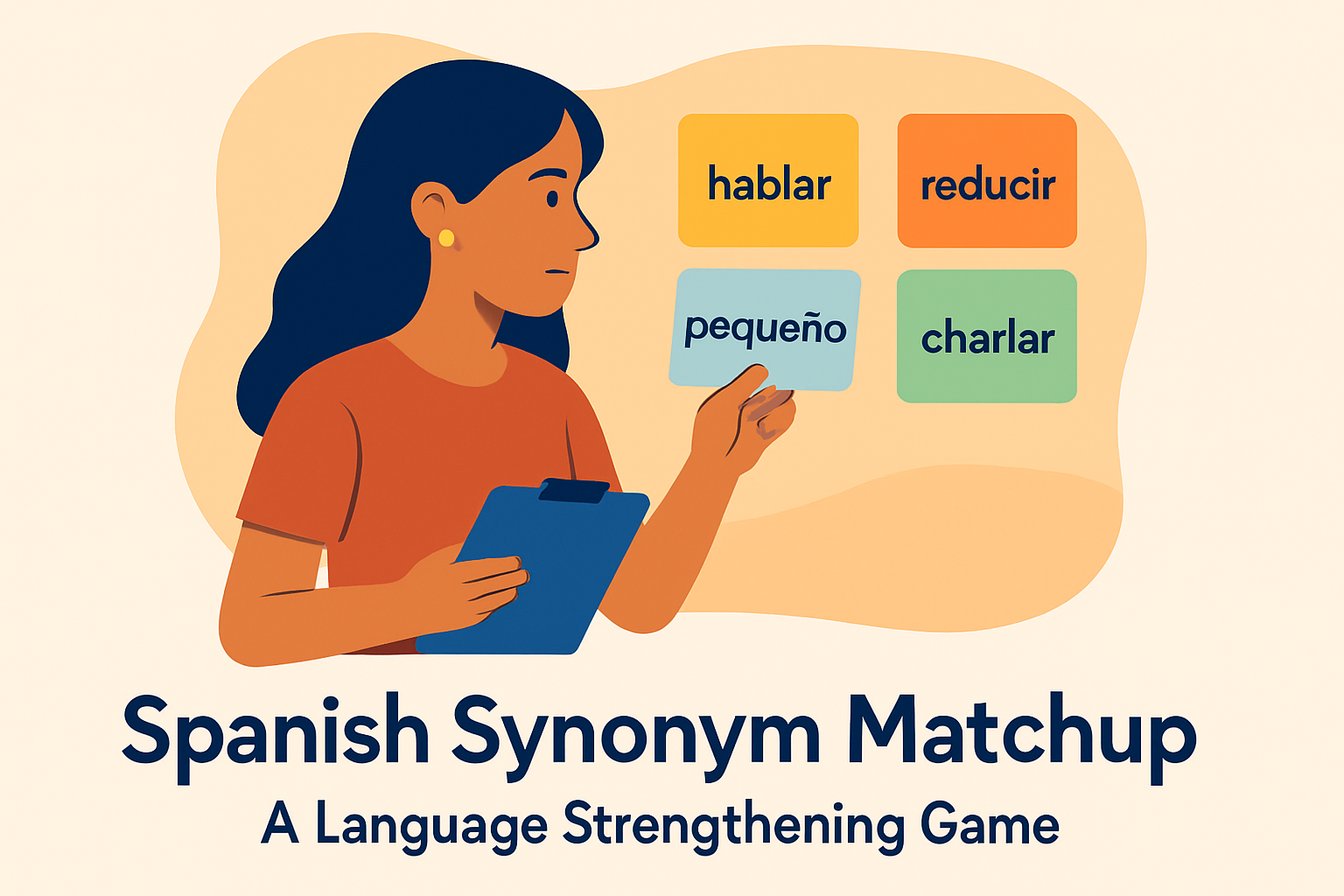
Embarking on the journey to achieve fluency in Spanish can be both exhilarating and challenging. Mastering any language requires dedication, persistent practice, and effective learning strategies. If you’ve already reached an intermediate level and are now striving for advanced fluency in Spanish, you will need to elevate your methods and immerse yourself fully in the language.
Spanish is the second most spoken language in the world, making it a valuable asset for both personal and professional growth. This article aims to provide you with practical tips, resources, and strategies to help you advance your Spanish skills. From engaging in conversation with native speakers to incorporating Spanish media into your daily routine, you’ll be equipped with the tools you need to achieve fluency.
Without further ado, let’s explore the essential components of advancing your Spanish language skills. This guide will cover various aspects, including pronunciation, vocabulary expansion, cultural immersion, and the importance of feedback.
Engage in Daily Conversations
One of the most effective ways to become fluent in Spanish is to actively engage in conversations with native speakers. Regular interaction helps you to practice your speaking skills, improve pronunciation, and understand colloquial expressions.
There are several platforms to facilitate conversations with native Spanish speakers. Language exchange apps like Tandem and HelloTalk connect you with Spanish speakers who are also interested in learning your language. Alternatively, you can join local language meetups or virtual Spanish conversation groups.
Don’t be afraid to make mistakes. Errors are a natural part of the learning process. Listen actively, ask questions, and mimic the speech patterns of native speakers. The more you practice, the more confident you will become in your spoken Spanish.
Consuming Spanish Media
Immersing yourself in Spanish media is another powerful tool for achieving fluency. Watching movies, TV shows, and listening to music or podcasts in Spanish will expose you to diverse accents, slang, and cultural nuances that you might not encounter in formal language lessons.
Platforms like Netflix, Amazon Prime, and YouTube offer a variety of Spanish content. Start with subtitles in both Spanish and your native language, gradually moving to only Spanish subtitles, and finally, without any subtitles. This method will sharpen your listening skills and improve your comprehension.
Additionally, reading Spanish literature, news articles, and blogs can significantly enhance your vocabulary. Make it a habit to read something in Spanish every day, whether it’s a short story, a newspaper article, or a recipe. This consistent exposure is vital for language retention.
Practice Pronunciation and Accent
Pronunciation and accent are critical components of fluency. Poor pronunciation can hinder understanding and communication, even if your vocabulary and grammar are advanced. Therefore, it is essential to focus on this aspect carefully.
Use resources such as Forvo, a pronunciation dictionary, to hear how native speakers pronounce words. Mimic their intonation and stress patterns. Tongue twisters in Spanish can also be a fun and effective way to practice.
Recording yourself speaking and comparing it with native speakers can be very insightful. Tools like Rosetta Stone and Pimsleur provide pronunciation exercises that can help you master Spanish phonetics. Remember, consistent practice and feedback are key to perfecting your accent.
Expand Your Vocabulary
An extensive vocabulary is the backbone of fluency. While it’s important to know basic words and phrases, advanced fluency requires a deeper and broader vocabulary. This includes idiomatic expressions, technical jargon, and region-specific slang.
Flashcards can be an effective tool for vocabulary building. Apps like Anki and Quizlet use spaced repetition, a learning technique that increases intervals of time between reviews of previously learned items. This helps reinforce long-term memory.
Engage with a wide range of materials to encounter new words in context. Reading different genres of books, articles, and listening to various forms of media can introduce you to words and phrases used in diverse contexts. Keep a vocabulary journal to note down new words and review them regularly.
Embrace Cultural Immersion
Language is deeply intertwined with culture. To truly speak Spanish fluently, you must understand and embrace the cultural contexts in which it is used. This includes social norms, traditions, and the history of Spanish-speaking countries.
Participate in cultural events, festivals, and celebrations of Spanish-speaking communities. Visiting a Spanish-speaking country, if possible, provides an unparalleled opportunity for immersion. You will experience everyday situations where you can practice and enhance your language skills.
Engaging in cultural exchange programs or volunteering in Spanish-speaking communities can also be enriching experiences. The goal is to get acquainted with the cultural nuances that can give deeper meaning to the language you are learning.
Seek Feedback and Professional Guidance
While self-study is crucial, seeking feedback from fluent Spanish speakers or professional tutors can significantly accelerate your progress. Constructive criticism will help you identify and correct mistakes, refine your pronunciation, and improve your overall speaking skills.
Language tutors, either online or in-person, can provide personalized lessons tailored to your specific needs and goals. Platforms like iTalki and Preply offer access to a wide range of professional tutors. These sessions often include conversational practice, grammar explanations, and homework assignments.
Additionally, consider joining Spanish language courses or workshops that focus on advanced levels. These structured programs can provide a comprehensive understanding of the language, covering all aspects from speaking and listening to reading and writing. They also offer a supportive learning environment where you can interact with fellow learners.
Conclusion
Achieving fluency in Spanish is a rewarding endeavor that opens up a world of opportunities. It requires consistent effort, immersion, and a willingness to learn from your mistakes. By incorporating the tips and strategies outlined in this article, you can steadily progress towards advanced fluency.
Remember that language learning is a marathon, not a sprint. Celebrate your milestones, no matter how small, and stay motivated by setting achievable goals. Surround yourself with the language through conversations, media, and cultural experiences. Utilize technology and resources available to you, and don’t hesitate to seek help from tutors or native speakers.
With determination and perseverance, you will not only become fluent in Spanish but also gain a deeper appreciation for the rich cultures and traditions of Spanish-speaking communities. Embrace the journey, and enjoy the many benefits that come with mastering a second language.