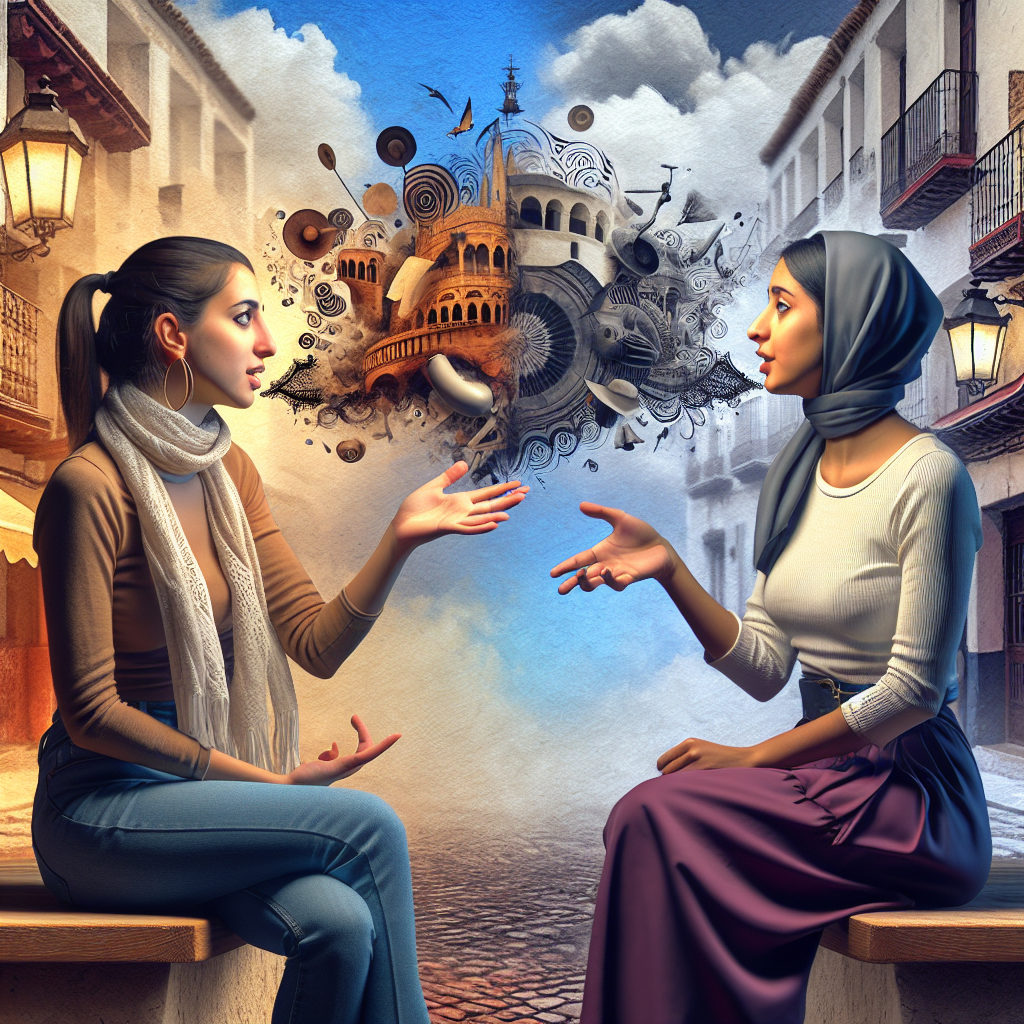
Spanish literature is a dazzling reflection of the cultural, historical, and linguistic mosaic that encompasses Spain and the Spanish-speaking world. This rich literary tradition stretches far beyond the borders of Spain and meanders through various centuries, capturing the essence of human experience in the Spanish language. From the poetic musings of the Middle Ages to modern day narrative experiments, Spanish literature is a testament to the enduring power of storytelling.
The significance of Spanish literature is not only confined to literary merits but also offers a gateway into understanding the historical and cultural shifts within Spain and its former colonies. With writers whose impacts have traversed global boundaries, such as Miguel de Cervantes and Gabriel García Márquez, Spanish literature serves as both an archive of past eras and a canvas for modern thoughts and imagination.
The following exploration into the realms of Spanish literature is meant to serve as both an educational resource for those just embarking upon their literary journey and an enriching recap for seasoned readers. As we delve into this literary odyssey, pay attention to the evolution of styles, themes, and voices that define Spain’s literary landscape and the significance they bear on contemporary narratives.
The Medieval Era and Its Literary Legacy
The medieval period in Spanish literature spanned roughly from the 11th to the 15th century, a time marked by a rich intermingling of Christian, Muslim, and Jewish cultures on the Iberian Peninsula. This unique confluence of civilizations fostered a diverse literary output that still resonates today. One of the earliest and most notable examples from this era is the epic poem “El Cantar de Mio Cid,” which narrates the exploits of Castilian nobleman Rodrigo Díaz de Vivar. The poem stands as a symbol of Spain’s burgeoning identity and chivalrous ideals.
Equally important was the emerging influence of religious literature, as seen in the works of Gonzalo de Berceo, a monk whose “Milagros de Nuestra Señora” reflects his devout nature and showcases the Spanish vernacular’s evolution. The blending of liturgical themes with everyday life offered a glimpse into the spirituality of the time.
The “1480s Romancero,” a collection of ballads, serves as another example of medieval literature’s thematic diversity. These narrative poems, often based on historical or legendary events, were designed to be sung or recited, allowing them to transcend literacy barriers and reach a wider audience. By the end of the Middle Ages, these texts laid down a foundation of narrative techniques and themes, setting the stage for the literary explosion of the Renaissance.
The Golden Age: Renaissance and Baroque Flourishes
The Spanish Golden Age, a period approximately spanning from the early 16th to the late 17th century, heralded the flowering of cultural and artistic expression. With Spain’s vast empire exerting global influence, its literature mirrored a blend of Classical inspiration and contemporary innovations.
The centerpiece of this era is arguably Miguel de Cervantes’ “Don Quixote de la Mancha.” Published in two parts in 1605 and 1615, this novel revolutionized literary thought with its intricate narrative structure and deep characterization, prefiguring the modern novel. Cervantes’ masterwork defines the human condition through humor and tragedy as it follows an aging nobleman’s misguided quest for chivalrous glory.
Equally significant in poetry, the works of Garcilaso de la Vega introduced the Petrarchan sonnet into Spanish literature, marrying Italian influences with Spanish themes. His verses exuded an emotional depth that has resonated across ages. In the baroque period, poets like Luis de Góngora and Francisco de Quevedo pioneered the art of poetic complexity, often engaging in intellectual jousts through their works.
The Golden Age also witnessed the birth of Spanish drama with figures such as Lope de Vega and Pedro Calderón de la Barca, who crafted plays sophisticated in both themes and structure. This era encapsulated Spain’s artistic zenith, leaving a legacy that continues to rest at the pinnacle of world literature.
The Age of Enlightenment and Neoclassicism
Following the opulence of the Golden Age, the 18th century ushered in the Age of Enlightenment, which championed reason, science, and the reformist spirit. This period of transition brought about a literary shift as thinkers and writers sought to align with European counterparts in the quest for rationality and order.
Spanish neoclassicism found its voice in figures such as Leandro Fernández de Moratín, who infused his plays with Enlightenment ideals. His pièce de résistance, “El Sí de las Niñas,” satirizes societal constructs like arranged marriages and demonstrates a clear shift towards realism and reform.
As Spanish society grappled with the clashing currents of tradition and modernity, literature became a platform for exploring these tensions. Enlightenment writers like Benito Jerónimo Feijóo and Gaspar Melchor de Jovellanos contributed essays and treatises that sought to enlighten the populace while endeavoring to pave the way for socioeconomic reform.
This neoclassical influence extended beyond Spain to its colonies, where works reflected both admiration for and resistance to colonial rule. Though the period was relatively short-lived, it paved the path for Romanticism, bridging the gap between ornate baroque and the emotive landscapes to follow.
Romanticism and the Flourishing of Individualism
The 19th century marked a turning point as Romanticism swept through Spanish literature, challenging neoclassical restraint and emphasizing emotion, nature, and individualism. Reflecting a tumultuous sociopolitical climate, Spanish Romanticism was an era ripe with invigoration and personal exploration.
The period’s luminaries include poets like Gustavo Adolfo Bécquer, whose “Rimas” captured the essence of ephemeral beauty and introspection. The Gothic novel also gained traction, with José de Espronceda’s “El Estudiante de Salamanca” encapsulating the tension between ambition and destruction.
Romanticism’s penchant for drama found a fervent advocate in playwrights such as Ángel de Saavedra, whose “Don Álvaro o la fuerza del sino” underscored the futility of resisting fate. These works often explored existential angst, pushing boundaries and expressing the inner turmoil of the human experience.
As Romanticism coursed through Spanish-speaking territories, it influenced burgeoning literary movements in Latin America. While it did not boast the same architectural grandeur as prior styles, its import was profoundly human, engaging with themes of identity and self that bridged continents and eras.
Exploring Modernist Horizons
With the advent of the 20th century, Spanish literature witnessed a blossoming of modernism, melding international innovation with national consciousness. Modernismo began in Latin America, chiefly through figures like Rubén Darío, and transcended into Spain, where it fostered a new wave of literary endeavors.
This era saw writers such as Antonio Machado adapt modernist innovation to Spanish soil, infusing poetry with emotive depth and lyrical beauty. His works navigate the complexities of love, death, and the passage of time, often exploring wistful nostalgia amid modern transitions.
Simultaneously, prose flourished with authors like Miguel de Unamuno, whose philosophical meditations delved into existentialism and spirituality. Unamuno’s “Niebla” blurs the line between author and character, playfully inviting readers to question reality and creation.
The generation of ’98, a literary movement born from Spain’s late 19th-century decadence, responded to nationalist anxieties with introspective works. Writers such as Pío Baroja and Ramón del Valle-Inclán intricately examined society and individual identity, bridging tradition and change in a reflection of their tumultuous historical milieu.
Conclusion: The Ever-evolving Spanish Narrative
In the exploration of Spanish literature, we have traversed a journey through centuries of narrative, poetry, and drama, witnessing the evolution of Spain’s literary voice. Each era, marked by its own distinctive themes and styles, contributes to a vibrant tapestry reflective of historical, cultural, and linguistic transformations.
The wealth of Spanish literature is not only confined to the canonical figures and works universally lauded but includes an array of voices that have emerged throughout time — voices that tell stories of love, power, faith, conflict, and imagination. From the medieval heroics of El Cid to the modern meditations on identity and existence, these works invite readers to both preserve the past and engage with the present.
Student, scholar, or casual reader alike, one’s interaction with Spanish literature offers an enriching probe into humanistic disciplines. It allows for an appreciation of the global interconnectedness traceable through shared themes and narratives. As Spanish authors continue to build upon this illustrious legacy, subsequent generations will find in its narrative a timeless realm of exploration, introspection, and connectivity with the infinite spectrum of human experience.