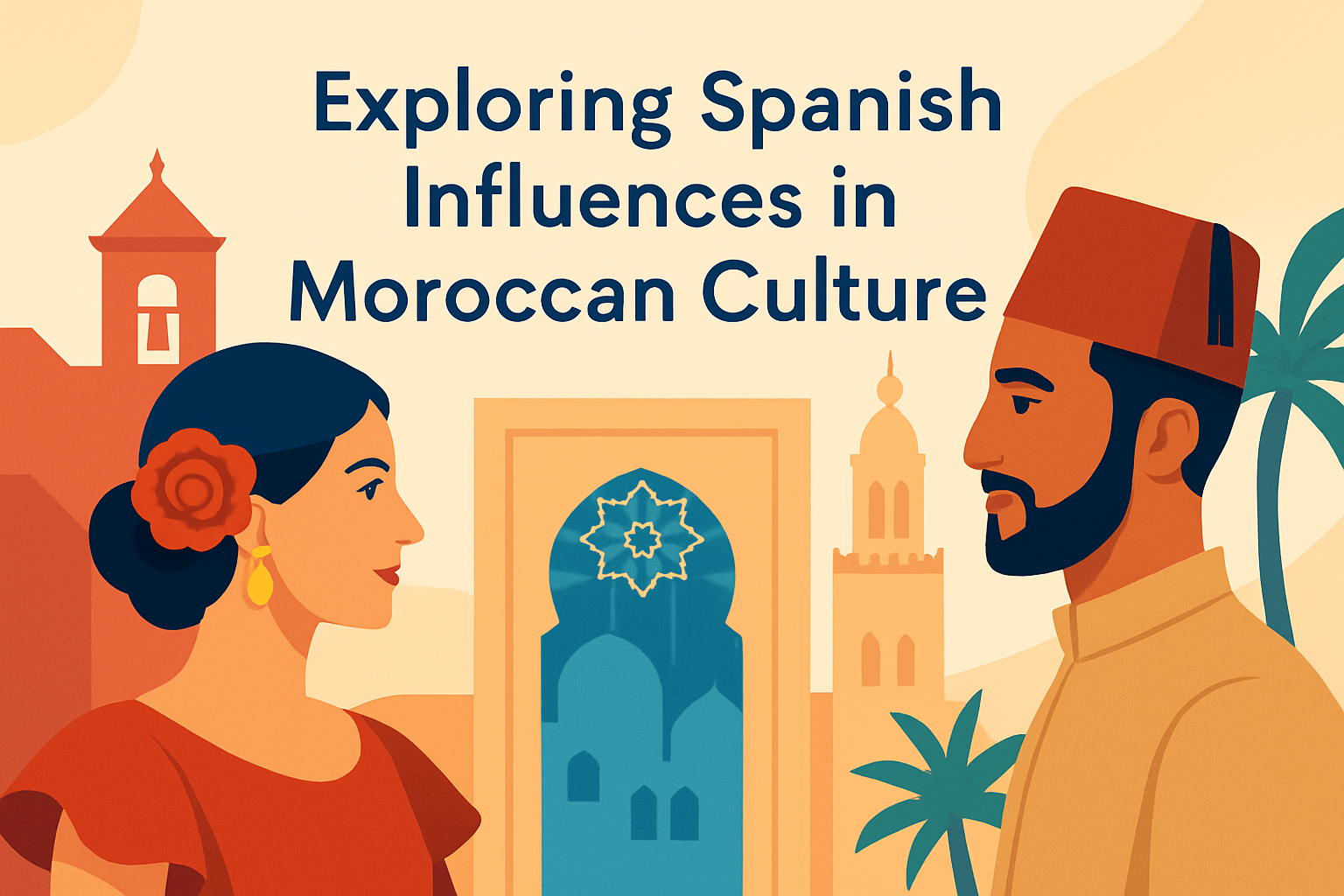
Moroccan culture, a rich tapestry of heritage and identity, stands as a unique blend of African, Arabic, and European influences. One of the most significant factors in shaping Moroccan culture is the impact of Spanish influence, which has woven itself through various aspects of Moroccan life. From architecture to cuisine, language, and music, Spanish cultural elements have been seamlessly integrated into the Moroccan way of life. This exploration into the Spanish influences on Moroccan culture not only highlights the depth and breadth of cultural exchange between these two closely situated nations but also underscores the broader implications of cross-cultural interactions in a globalized world. Understanding this relationship sheds light on both historical ties and contemporary connections that contribute to a shared cultural heritage enriched by mutual influences.
Historical Context of Spanish-Moroccan Relations
The historical ties between Spain and Morocco extend back to ancient times, with profound implications for cultural exchange. During the period of Muslim rule in Spain from the 8th to the 15th centuries, known as Al-Andalus, there was significant movement of people, ideas, and goods across the Strait of Gibraltar. This period was marked by a flourishing of arts and sciences and a blend of Christian, Jewish, and Muslim cultures. The Reconquista ended Islamic rule in Spain, but these interactions laid the groundwork for continued cultural exchanges.
In more recent history, the Spanish Protectorate in Northern Morocco during the early 20th century further anchored Spanish presence in the region. This political relationship facilitated a deeper penetration of Spanish customs and traditions into Moroccan society. The two countries’ proximity and resulting exchanges have led to a lasting impact that continues to shape Moroccan culture today.
Architectural Aesthetics
Spanish influence in Moroccan architecture is particularly prominent. The Moorish architectural style, characterized by horseshoe arches, intricate tile work, and expansive courtyards, is deeply rooted in the Iberian Peninsula’s Islamic architectural heritage. This style continued to evolve in Morocco, evident in iconic structures like the Royal Palace of Fez and the Kasbah of the Udayas in Rabat.
The shared architectural elements can also be witnessed in Andalusian-style homes with their asymmetrical designs and decorative courtyards filled with fountains and lush gardens. These inspirations from Al-Andalus have been adapted to fit the Moroccan landscape and lifestyle but remain a testament to the enduring Spanish architectural influence.
Culinary Connections
Moroccan cuisine is globally renowned for its rich flavors and aromatic dishes, and it owes part of its diversity to Spanish influence. The use of specific spices, such as cumin and paprika, and ingredients like olives and citrus fruits, reflect the culinary exchanges that took place over centuries. Tapas, now a staple in Spanish cuisine, finds its counterpart in Moroccan meze, which consists of small dishes served as appetizers.
One can taste the Spanish influence in traditional Moroccan pastries that often boast almond fillings and hints of orange blossom or rose water, reminiscent of the sweet treats found across Spain. These culinary connections illustrate how cultural borrowing has enriched Moroccan gastronomy, offering a delightful blend of old and new flavors.
Linguistic Influences
Language serves as a living record of cultural interaction, and the infusion of Spanish words into the Moroccan Arabic dialect, Darija, exemplifies this phenomenon. Words related to everyday activities, commerce, and modern technology reflect the cross-pollination of language. This linguistic blend is particularly noticeable in northern regions close to Spain, such as Tangier and Tetouan.
In these areas, it is common to hear phrases incorporating both Spanish and Arabic, creating a unique linguistic tapestry. For students learning Moroccan Arabic, understanding these Spanish borrowings can provide insight into the region’s historical and ongoing cultural exchanges.
Musical Integration
Music in Morocco is a dynamic fusion of African, Arabic, and European influences, with Spain playing a critical role in shaping this diversity. Andalusian classical music, which blends Spanish, Arab, and Berber elements, is a key part of Morocco’s musical heritage. Originating from the Muslim communities of medieval Spain, this genre was introduced to Morocco and is now an integral part of its cultural identity.
Modern Moroccan music continues to incorporate Spanish influences through genres like Flamenco, which has found a place among Moroccan artists. The result is a vibrant music scene that celebrates cultural fluidity and creativity while honoring historical ties.
| Aspect of Culture | Spanish Influence | Moroccan Adaptation |
|---|---|---|
| Architecture | Moorish style, courtyards | Royal Palaces, Kasbahs |
| Cuisine | Use of spices, meze | Tangia, Moroccan pastries |
| Language | Spanish loanwords | Darija dialect |
| Music | Andalusian music, Flamenco | Moroccan classical music |
Festivals and Celebrations
Festivities in Morocco often incorporate elements that trace back to Spanish customs, particularly in Northern Morocco where cross-cultural influences are most prominent. For example, religious and cultural festivals may feature processions and music styles that are reminiscent of Spanish traditions. In cities such as Chefchaouen, the celebration of the Rif Day is an event that reflects a blend of indigenous Berber customs and Spanish celebratory practices.
The integration of these influences into Moroccan festivals demonstrates how significant events serve as an opportunity for cultural expression and exchange, providing insight into the shared histories between Spain and Morocco. Such celebrations are a testament to the dynamic nature of cultural identity, showcasing how it adapts and transforms through interactions with neighboring cultures.
Cultural Identity and Modern Relations
In today’s globalized world, the cultural ties between Spain and Morocco continue to evolve. Modern-day exchanges in arts, education, and commerce are influenced by the deep-rooted historical connections between the two countries. Programs that foster cross-cultural understanding and collaboration are vital to maintaining this relationship, allowing for a rich exchange of ideas and innovation.
The recognition of Spanish influence in Moroccan culture helps strengthen diplomatic, economic, and cultural ties between the two nations, fostering a collaborative spirit that is mutually beneficial. This understanding promotes cultural diversity and enhances the appreciation of shared histories, creating opportunities for future advancements in various sectors, including tourism and international relations.
The Impact of Spanish Influence on Moroccan Identity
While the infusion of Spanish elements into Moroccan culture significantly enriches its diversity, it also raises important questions about cultural identity and authenticity. Each borrowed element has been adapted to fit the Moroccan cultural landscape, creating a mosaic that is uniquely Moroccan while showcasing its historical influences. It is this balance that defines the Moroccan cultural identity – a dynamic fusion that maintains age-old traditions alongside contemporary influences.
This process of cultural assimilation and adaptation highlights the enduring nature of cultural exchange and the importance of recognizing and preserving these influences. By appreciating the Spanish impact on Moroccan culture, one is prompted to value the complexity of cultural identity and the ways in which cultures can learn from and inspire each other, paving the way for greater cultural understanding and appreciation.
Conclusion: Celebrating a Shared Heritage
Exploring the Spanish influences in Moroccan culture reveals a rich tapestry woven over centuries of interaction and exchange. From the striking architecture that dots the Moroccan landscape, to the tantalizing flavors found in its cuisine, the linguistic twists that color its dialects, and the rhythm of its music, Spanish elements are subtly infused into Moroccan life, showing the enduring power of cross-cultural influences. These exchanges not only enhance Morocco’s cultural richness but also provide insights into how societies evolve through contact and cooperation.
For readers, recognizing these influences offers a fresh perspective on the interconnectedness of global cultures. It invites one to celebrate the shared heritage that transcends borders, fostering empathy and understanding. By embracing these influences, individuals can gain a deeper appreciation for Morocco’s cultural identity and the broader human experience. As a next step, consider exploring Moroccan festivals or visiting Morocco to witness firsthand the fascinating blend of influences that make up its vibrant culture. Through such experiences, one can contribute to a global narrative that values diversity and celebrates our shared humanity.
Frequently Asked Questions
1. How has Spanish architecture influenced Moroccan buildings and structures?
Spanish influence in Moroccan architecture is profoundly visible, especially in cities like Tangier and Tetouan, where Spanish colonial history is most evident. The architectural blend known as Moorish architecture is a testament to this cultural amalgamation. It features elements reminiscent of Andalusian style, such as horseshoe arches, intricate tilework, and lavish courtyards filled with lush greenery—attributes that are borrowed from the traditional Spanish styles seen in regions such as Southern Spain.
One specific example of Spanish influence is the use of ‘azulejos’, a type of painted tin-glazed ceramic tilework that is commonly found in Spanish and Portuguese buildings. In Morocco, these tiles are used to decorate mosques, palaces, and even private homes, offering both aesthetic charm and functional benefits such as temperature regulation. The city of Chefchaouen is renowned for its blue buildings, often compared to Spanish villages known for their picturesque blue painted facades.
Moreover, the layout and function of buildings in Moroccan medinas reflect a Spanish-Moorish influence. Traditional Moroccan riads—houses with interior gardens or courtyards—echo the design principles of traditional Andalusian homes, offering a place for family gatherings and protection from the harsh sun. These architectural influences illustrate a deep cultural exchange that has been ongoing for centuries.
2. What role does the Spanish language play in Moroccan society today?
The Spanish language holds a significant place in Moroccan society, primarily in regions that were once under Spanish colonial rule, such as the northern areas close to the Spanish enclave of Ceuta and the city of Melilla. In these regions, Spanish is still widely spoken and understood. In fact, for many Moroccans in these areas, Spanish is a second language, and numerous educational institutions offer Spanish language courses.
The historical Spanish presence in Morocco has led to a lasting legacy where several generations have grown up bilingual, fluent in both Arabic and Spanish. This bilingual ability is beneficial for trade, tourism, and cross-cultural communication, enhancing Morocco’s interactions not only with Spain but also with other Spanish-speaking countries.
Furthermore, Spanish media, including television programs and movies, is widely consumed in Morocco. Access to Spanish language content has broadened with technology, influencing cultural connections and language learning. The ability to speak Spanish is valued within Moroccan tourism and service industries, demonstrating the ongoing relevance of Spanish in Moroccan culture.
3. How has Spanish cuisine impacted Moroccan food culture?
Moroccan cuisine is already famed for its rich, diverse flavors, but the addition of Spanish culinary elements brings an intriguing twist to traditional Moroccan dishes. For instance, the Mediterranean influence prevalent in Spanish cooking is mirrored in Moroccan dishes through the use of olive oil, fresh fruits, and seafood.
One prominent example is the Moroccan version of paella, known as bil khodra, or seafood and vegetable couscous. It reflects the traditional paella dish from Spain but incorporates local Moroccan ingredients and spices, creating a perfect fusion food that symbolizes the best of both culinary worlds. Similarly, tapas—a concept that originated in Spain—has found its way into Moroccan dining culture, where small plates of flavorful morsels are served, particularly in coastal cities with Spanish influence.
Spanish techniques in baking and pastry-making have also influenced Moroccan sweets. The use of almonds, honey, and subtle spices in pastries reflects this blend, exemplified in popular Moroccan desserts such as “gazelle horns”—crescent-shaped pastries filled with almond paste. These delicious culinary intersections underscore the flavorful relationship between Spanish and Moroccan cuisine.
4. What Spanish influence can be seen in Moroccan music and dance?
Music and dance provide vibrant examples of the Spanish influence on Moroccan culture. The interplay between Spanish and Moroccan musical styles is most evident in the Andalusian music genre. Andalusian music, a traditional North African musical style, hails directly from the period of Moorish rule in Spain. While this music has local characteristics, it clearly shares its foundational roots with Spanish sensibilities, featuring string instruments like the oud and melodious tunes.
Moreover, the Flamenco—a passionate, expressive dance and music form originating from the Spanish region of Andalusia—has also left an indelible mark on Moroccan music. While it hasn’t been directly transplanted, elements of rhythmic hand clapping and percussive footwork can be found, particularly in regional Moroccan folk dances. This phenomenon is perhaps most prevalent in northern Morocco, where cultural exchanges between Spain and Morocco have been historically robust.
The Gnawa music tradition of Morocco, although inherently African in its origins, bears Spanish influences in its musical arrangements and some of its instruments. The cross-pollination of styles has enriched both nations’ musical landscapes, painting a diverse audible picture that invites participation from both cultures.
5. In what ways has Spanish fashion influenced Moroccan attire?
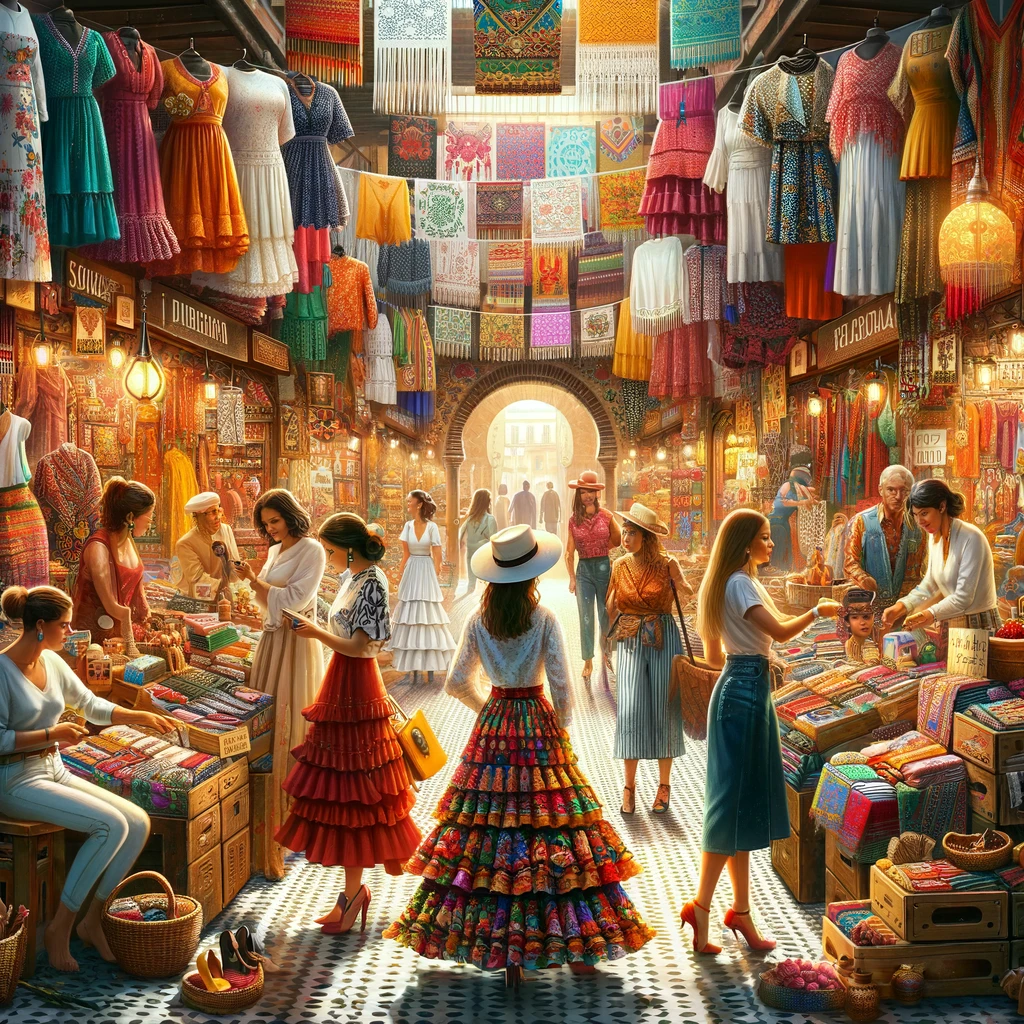
Fashion is yet another area where the Spanish influence has subtly intertwined with Moroccan traditions. The typical Moroccan wardrobe is known for its flowing, colorful garments, such as the djellaba and caftan. However, the cosmopolitan influence of Spanish fashion can be seen in the incorporation of European tailoring and design techniques into traditional Moroccan fabrics and styles.
The city of Tetouan, once a Spanish protectorate, has been particularly influenced by Spanish fashion sense. Moroccan textiles like silk and cotton are used to craft garments inspired by Spanish designs, resulting in a unique style that blends Eastern and Western aesthetics. Spanish embroidery techniques and lace adornments are often seen decorating Moroccan attire, adding intricate details that elevate traditional fashion.
In contemporary Moroccan fashion, the influences of Spain are also evident. Moroccan fashion designers frequently look to Spanish trends, blending modern European elements with traditional Moroccan designs. This cultural crossover in fashion reflects a broader narrative of interconnected heritage, showing how Spanish fashion has not only been preserved but also innovatively integrated into modern Moroccan style.