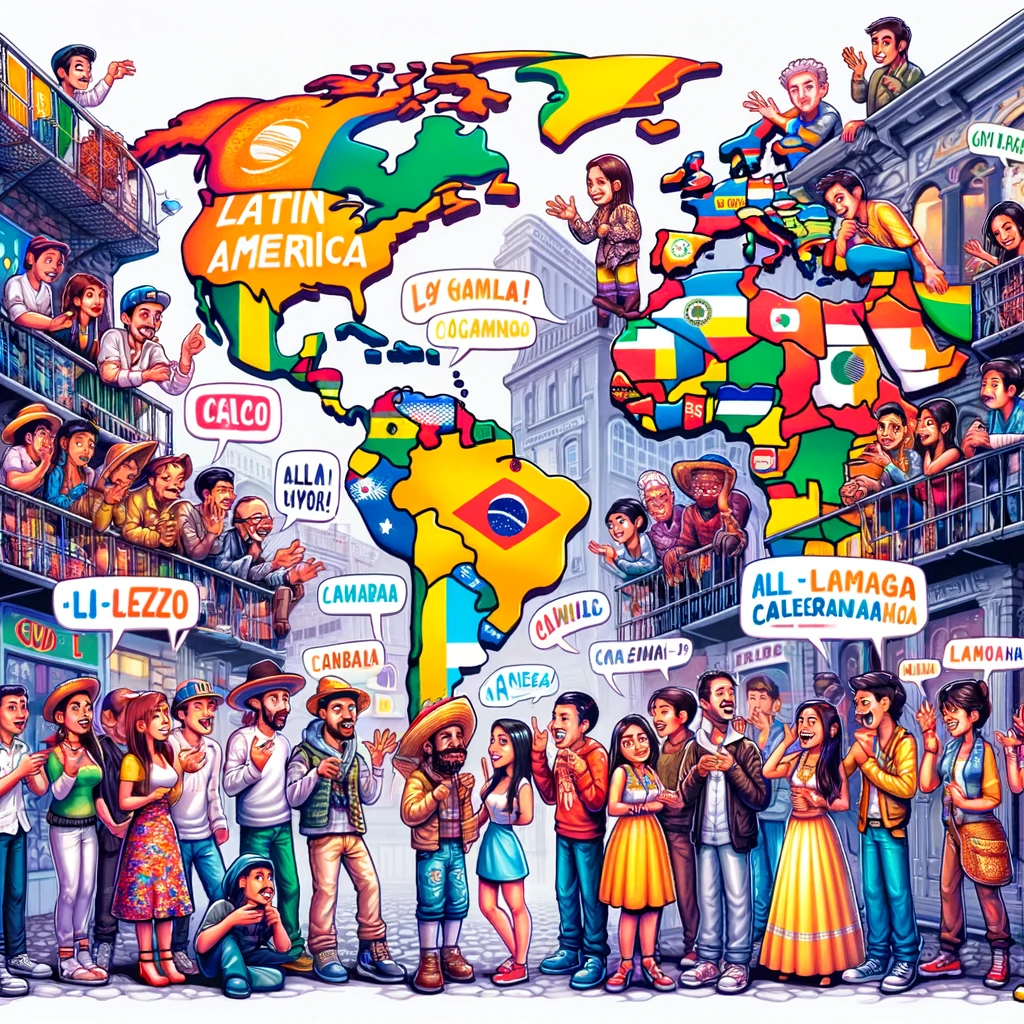
Latin America, a tapestry of diverse cultures and languages, is rich in unique slang and colloquial expressions. Understanding these local phrases not only enriches language learning but also offers a deeper insight into the culture and mindset of each country. In this guide, we’ll explore some of the most colorful and widely used slang terms from various Latin American countries, uncovering the essence of each region’s linguistic charm.
Mexico: A Blend of History and Modernity
In Mexico, slang is an art form, evolving from a blend of indigenous languages and Spanish. A quintessential example is “¡Qué padre!” which means “How cool!” This phrase perfectly captures the Mexican spirit of enthusiasm and positivity. Another popular term is “chido,” which is another way to say something is great or awesome.
But Mexican slang can also be nuanced. For example, “güey” (sometimes spelled “wey”) is a word that originally meant ‘ox’ but has transformed into a colloquial way to refer to a friend, akin to ‘dude’ in English. However, context is key, as it can also be used in a dismissive or derogatory way.
Argentina: The Land of Lunfardo
Argentinian Spanish, particularly in Buenos Aires, is infused with Lunfardo, a local slang that originated among the working class in the late 19th century. A famous Lunfardo word is “che,” used to call someone’s attention, like ‘hey’ in English. It’s also used as a term of endearment among friends.
Another Lunfardo term is “fiaca,” expressing a feeling of laziness or lack of motivation. On a Monday morning, you might hear someone say, “Tengo una fiaca,” to express their Monday blues.
Colombia: Colorful Expressions
Colombian slang is as vibrant as its landscapes. “Parce” or “parcero,” akin to ‘mate’ or ‘buddy’ in English, is commonly used among friends. Meanwhile, “bacano” is a versatile word meaning cool or awesome, similar to Mexico’s “chido.”
A unique phrase is “¡Qué chimba!”, which can be a way to express that something is really good or exciting, although it can be vulgar in some contexts. Colombians also use “paila” to denote a bad situation or disappointment, similar to saying “that’s bad” in English.
Peru: Rich Indigenous Influences
Peruvian slang often reflects its rich indigenous heritage. “Jato” is a Quechua-influenced word meaning house or home. You might hear someone say, “Vamos a mi jato” when inviting friends over.
Another popular phrase is “chamba,” which means job or work. It’s common to hear someone looking for work say they’re searching for “una chamba.”
Venezuela: A Caribbean Flair
Venezuelan Spanish is characterized by its Caribbean flair. “Chévere” is a versatile word used to describe anything that is cool or nice. It’s a word that encapsulates the positive and lively spirit of Venezuelans.
Another common term is “pana,” which means friend. It’s similar to “parce” in Colombia but is distinctively Venezuelan in use.
Chile: The Unique Chilenismos
Chilean Spanish, or “Chilenismos,” is known for its uniqueness. “Cachai?” is a common phrase, akin to “you know?” in English, often used at the end of sentences to ensure the listener understands.
A quintessentially Chilean term is “po,” which is a shortened form of “pues” (well) and is added to the end of sentences for emphasis, much like Canadians use “eh.”
Brazil: A World of Its Own
While not Spanish-speaking, Brazil’s Portuguese is equally rich in unique expressions. “Legal” (pronounced ‘lay-gow’) is a Brazilian Portuguese term for something that’s cool or nice.
Another popular term is “beleza,” literally meaning beauty, but often used to say everything is good or to ask how someone is doing, similar to ‘how’s it going?’ in English.
Central America: A Melting Pot of Expressions
Central American countries, while smaller, are not short on unique slang. In El Salvador, “chivo” means cool, while in Guatemala, “pisto” is a colloquial term for money. Honduras, on the other hand, uses “maje” for friend, akin to ‘dude.’
Costa Rica has its signature phrase, “Pura Vida,” meaning pure life, which is a way of saying everything is great and reflects the relaxed and optimistic lifestyle of Costa Ricans. This phrase is not just slang but a mantra that encapsulates the country’s approach to life.
Panama: A Crossroads of Cultures
Panama’s unique position as a cultural crossroads is reflected in its slang. “La vaina” is a versatile term that can mean ‘thing,’ ‘stuff,’ or even a problematic situation, depending on the context. It’s a catch-all phrase that’s quintessentially Panamanian.
Another common term is “joder,” which, although it can be vulgar, is often used colloquially among friends to mean joking or teasing.
Uruguay: The Subtle Charm
Uruguayan slang is often overshadowed by its larger neighbors but has its unique charm. “Ta” is a very common expression, a shorthand for ‘está bien,’ meaning ‘okay’ or ‘alright.’ It’s a versatile word used in various contexts to show agreement or acknowledgement.
“Bo,” similar to Argentina’s “che,” is a term used to capture someone’s attention, similar to saying ‘hey’ in English.
The Dominican Republic: The Rhythmic Slang
In the Dominican Republic, slang is as rhythmic and vibrant as its music. “Vaina” is also used here but can have a broader range of meanings, from a situation to a specific object. It’s a word that captures the fluidity of Dominican Spanish.
“Qué lo qué” is a uniquely Dominican greeting, similar to ‘what’s up?’ in English, and is a perfect example of the casual and friendly nature of Dominican communication.
Cuba: A Rich Linguistic Heritage
Cuban slang reflects the island’s rich history and cultural influences. “Asere,” meaning friend or buddy, is a term of Afro-Cuban origin and is commonly used among friends. It’s a word that embodies the camaraderie and warmth of Cuban society.
“Chévere” is also used in Cuba, much like in Venezuela, to describe something cool or excellent.
Conclusion
Latin America’s diversity is vividly reflected in its array of slang and colloquial expressions. From Mexico’s vibrant “güey” to Argentina’s iconic “che,” each country’s slang offers a window into its culture, history, and daily life. These expressions are more than just words; they are the embodiment of the spirit and identity of the people. Understanding and using them can greatly enhance one’s experience of the rich linguistic tapestry that Latin America offers. Whether you’re a language learner, traveler, or simply a curious mind, delving into the world of Latin American slang is a journey full of discovery, connection, and cultural richness.