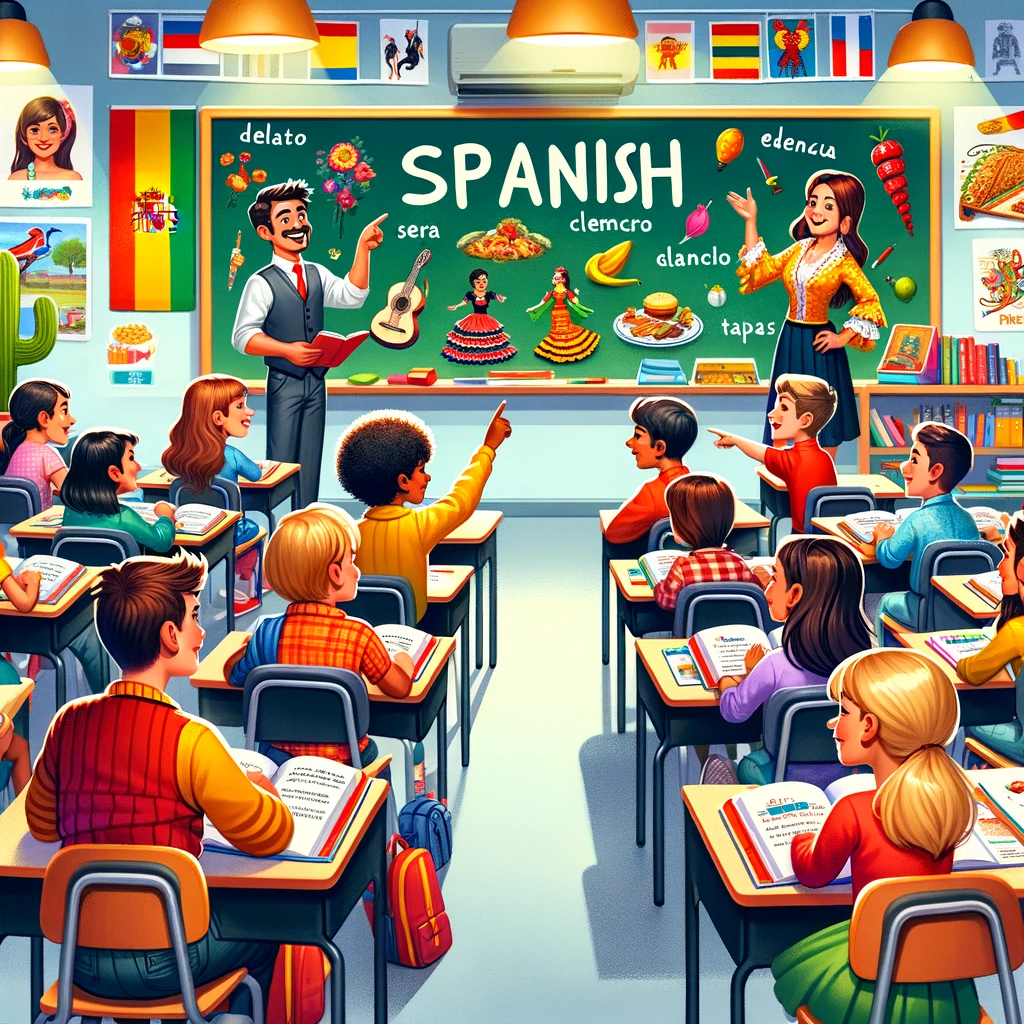
How to Learn Spanish
Learning a new language opens doors to different cultures, enhances career opportunities, and broadens one’s perspective. Spanish, being one of the most spoken languages in the world, is particularly valuable. This guide will walk you through the essential steps and resources available at my-spanish-dictionary.com to help you learn Spanish efficiently and effectively.
1. Set Clear Goals
Before diving into the language, it’s crucial to set specific, measurable, attainable, relevant, and time-bound (SMART) goals. Decide whether your focus is conversational Spanish, professional fluency, or perhaps understanding Spanish literature. Setting clear goals will help you choose the right resources and track your progress.
2. Start with the Basics
Learning any language begins with a strong foundation in its basics—grammar, vocabulary, and pronunciation. Start by familiarizing yourself with common Spanish phrases and essential grammar rules. Our Basic Spanish Vocabulary section is a great place to start building your word bank.
3. Practice Regularly
Consistency is key in language learning. Dedicate specific times each day to practice Spanish. This could be through formal lessons, writing exercises, or speaking practice. Our Daily Spanish Exercises provide a variety of tasks to help improve your language skills regularly.
4. Immerse Yourself
Immersion is one of the most effective ways to learn a language quickly. Try to incorporate Spanish into your daily life. This could involve listening to Spanish music, watching Spanish movies, or following Spanish-speaking influencers. Check out our Spanish Media Resources for recommendations.
5. Use Language Learning Apps
Technology can be a great ally in learning Spanish. Apps like Duolingo, Babbel, or Rosetta Stone offer interactive and engaging ways to learn the language. They provide structured lessons that are suitable for beginners and advanced learners alike.
6. Join Language Classes or Groups
Attending Spanish classes or joining language learning groups can provide structured learning and valuable speaking practice. Interaction with fellow learners and native speakers is invaluable. Our website offers a directory of Spanish Learning Groups where you can find a community near you.
7. Practice with Native Speakers
Practicing with native speakers is the fastest way to learn a language. It helps in understanding the cultural nuances and real-life usage of the language. Utilize online platforms like iTalki or Tandem to find conversation partners. Additionally, our Spanish Conversation Practice page has tips and tools to improve your speaking skills.
8. Read and Write in Spanish
As you become more comfortable with the language, start reading Spanish books, newspapers, and articles. Writing essays, diary entries, or even social media posts in Spanish can also greatly improve your proficiency. Our Spanish Reading and Writing Tools section offers resources to enhance these skills.
9. Learn about Spanish Culture
Understanding the culture of Spanish-speaking countries can enhance your language learning. It adds context to the vocabulary and phrases you learn and can make the learning process more enjoyable. Participate in cultural festivals, cook Spanish dishes, and learn about Spanish-speaking countries’ history.
10. Stay Motivated and Patient
Language learning is a marathon, not a sprint. It requires patience, persistence, and motivation. Set small milestones and reward yourself for achieving them. Remember, every bit of progress is a step closer to fluency.
Learning Spanish is a rewarding and enriching experience. By setting clear goals, practicing regularly, and using the resources available at my-spanish-dictionary.com, you can make significant progress towards fluency. Remember, the key to language learning success is consistency and immersion. Embrace the journey, and enjoy every step of learning this beautiful language!

11. Leverage Flashcards and Visual Aids
Using flashcards and visual aids can significantly enhance your vocabulary retention and recall. Tools like Anki or Quizlet allow you to create custom flashcards that can include images, audio, and example sentences. Regular review of these flashcards can help cement the language basics in your memory. Visual aids are particularly useful for visual learners who benefit from seeing words and phrases in context.
12. Engage in Language Exchanges
Language exchanges are a mutually beneficial way to practice speaking Spanish while helping someone else learn your native language. This exchange fosters a supportive learning environment and can provide insights into colloquial language use that textbooks or apps might not offer. Our website has a Language Exchange platform where you can connect with native speakers interested in language swaps.
13. Utilize Online Forums and Social Media
Engaging with online communities dedicated to Spanish language learning can be incredibly helpful. Platforms like Reddit, language-specific Facebook groups, or Twitter threads offer opportunities to read and engage in discussions in Spanish, ask questions, and receive feedback from native speakers and fellow learners. This social interaction can boost your confidence and keep you motivated.
14. Incorporate Spanish into Your Hobbies
If you have a hobby, try to find a way to incorporate Spanish into it. For example, if you enjoy cooking, try following Spanish recipes or watching Spanish cooking shows. If you’re into sports, follow Spanish-speaking sports commentators or read sports news in Spanish. This not only makes learning fun but also helps you learn vocabulary that’s relevant to your interests.
15. Reflect on Your Progress
Regularly reflecting on what you’ve learned and how far you’ve come can be a great motivator. Keep a journal of your Spanish learning journey, noting down new things you’ve learned, challenges you’ve faced, and how you’ve overcome them. This reflection can help you adjust your learning strategies and set more targeted goals as you progress.
16. Be Adaptable in Your Learning Approach
As you delve deeper into the Spanish language, be open to adapting your learning strategies based on what works best for you. You might find that certain methods you started with aren’t as effective as others, or you might discover new techniques that accelerate your learning. Flexibility in your approach will allow you to customize your learning experience and keep it engaging.
Conclusion
Mastering Spanish is a dynamic and ongoing process that unfolds differently for each learner. By combining various learning strategies—from online resources and apps to cultural immersion and personal reflection—you create a rich, comprehensive learning environment that caters to your unique needs. Utilize the resources and tips shared on my-spanish-dictionary.com to enhance your learning experience. With dedication and the right tools, you’ll find yourself speaking Spanish more fluently and confidently. Embrace this journey with enthusiasm and let each new word and phrase unlock more of the vibrant Spanish-speaking world for you. Happy learning!