When it comes to expressing love and romance, each language has its own unique charm. Spanish, renowned for its passionate and vibrant expressions, has a vast array of slang and colloquialisms that can take your romantic conversations to the next level. Whether you’re trying to woo a new love interest, maintain the spark in a long-term relationship, or simply broaden your linguistic horizon, understanding these expressions can be quite beneficial.
Introduction: The Allure of Romantic Spanish Expressions
Spanish is often called the language of love, and for good reason. The rich, melodious sounds paired with expressive vocabulary create the perfect recipe for romance. Just as in English, Spanish speakers use common phrases to express affection, but they also employ a variety of slang terms and colloquialisms that add a certain je ne sais quoi to their declarations of love.
Imagine walking hand-in-hand along the streets of Spain, serenading your significant other with sweet words that go beyond the standard “Te amo” (I love you). Switching to slang and colloquialisms can make your sentiments sound more authentic and heartfelt, and can bridge cultural gaps, making you feel more integrated and connected. After all, nothing says “I understand and appreciate your culture” like speaking its language.
This comprehensive guide will cover a range of Spanish expressions for love and romance, including both traditional phrases and modern slang, giving you the tools you need to charm in any romantic scenario. From declarations of love to compliments and endearments, we have all your bases covered.
Traditional Love Phrases
Starting with the basics, traditional love phrases in Spanish are often poetic and heartfelt. These expressions have been passed down through generations, remaining timeless in their appeal.
- Te quiero: This phrase is less intense than “Te amo” and can be used for friends as well as romantic partners. It translates to “I care for you” or “I love you.”
- Te extraño: This means “I miss you,” a sentiment often shared between people who are apart from one another.
- Eres mi media naranja: Literally translating to “You are my half orange,” this charming idiom signifies that someone is your better half or soulmate.
- Mi amor: A simple yet powerful term meaning “My love,” often used as a term of endearment.
- Te necesito: Translating to “I need you,” it’s a way to express deep emotional dependence and attachment.
These traditional phrases serve as a foundation for expressing love, but knowing when and how to use them is key to their effectiveness. For instance, “Te amo” is reserved for serious relationships and is rarely used casually. Meanwhile, “Te quiero” is more versatile, suitable for various types of relationships.
Modern Slang for Romance
Just like any living language, Spanish evolves over time, and so do the ways people express love and romance. Modern slang allows romantic expressions to be more relaxed and relatable, particularly among younger generations.
- Me pones: While it can have a flirty and somewhat risqué connotation, it means “You turn me on.”
- Estoy colado/a por ti: This phrase translates to “I have a crush on you” and is often used in the early stages of a relationship.
- Estás como un tren: A more playful and cheeky way to say “You’re hot” or “You’re attractive.”
- Chulear: To flirt or show off. It’s commonly used among teenagers and young adults.
- Flecharse: This term means to fall head over heels, and is derived from the word ‘flecha’ which means arrow, akin to Cupid’s arrow.
Understanding modern slang is crucial for navigating contemporary conversations, especially if you’re engaging with younger Spanish speakers. It’s essential to be mindful of the context and the audience when using these versatile phrases.
Common Compliments
Compliments can go a long way in expressing admiration and affection. While traditional phrases like “Eres hermosa” (You are beautiful) are universally appreciated, using colloquialisms can make your compliments more impactful.
- Eres un sol: You are a sun. This phrase highlights someone’s positive and radiant personality.
- Guapo/a: Handsome/Beautiful. A common yet effective compliment.
- Tienes arte: You have an art. Used to compliment someone’s unique and attractive way of doing things.
- Eres la leche: You are the milk. A colloquial way of saying that someone is impressive or amazing.
- Estás cañón: You are amazing. Often used to describe someone who is exceptionally attractive or talented.
Improving your ability to give compliments in Spanish can help build rapport and show genuine appreciation. Remember, sincerity is crucial, so choose your compliments wisely.
Terms of Endearment
Terms of endearment, or “apodos cariñosos,” play a significant role in expressing love and building intimate connections. These affectionate nicknames can vary greatly depending on the region and the level of intimacy in the relationship.
- Cielo: Sky or Heaven. Often used to signify that someone is the center of your universe.
- Corazón: Heart. A warm and affectionate term similar to “sweetheart.”
- Mi vida: My life. This intense expression indicates how essential someone is to your wellbeing.
- Gordo/Gorda: Chubby. Despite how it sounds in English, it’s a loving way to refer to one’s partner in many Spanish-speaking cultures.
- Chiquito/a: Little one. A tender term usually used for close loved ones.
Incorporating these affectionate terms into daily conversations can enhance the emotional intimacy and connection with your partner. They convey warmth and affection in a way that standard terms may not.
Romantic Gestures and Customs
Learning the language of love in Spanish isn’t just about words; understanding cultural customs and romantic gestures can equally enrich your romantic endeavors.
- Sending “Piropo”: A “piropo” is a poetic compliment or flirtatious remark usually delivered on the street. While it has its roots in traditional courting practices, modern usage varies, and it’s important to be respectful and gauging the recipient’s comfort.
- Writing Love Letters: Despite the digital age, handwritten love letters are still highly cherished in Spanish-speaking cultures. Adding a favorite romantic phrase or personal note can make it more special.
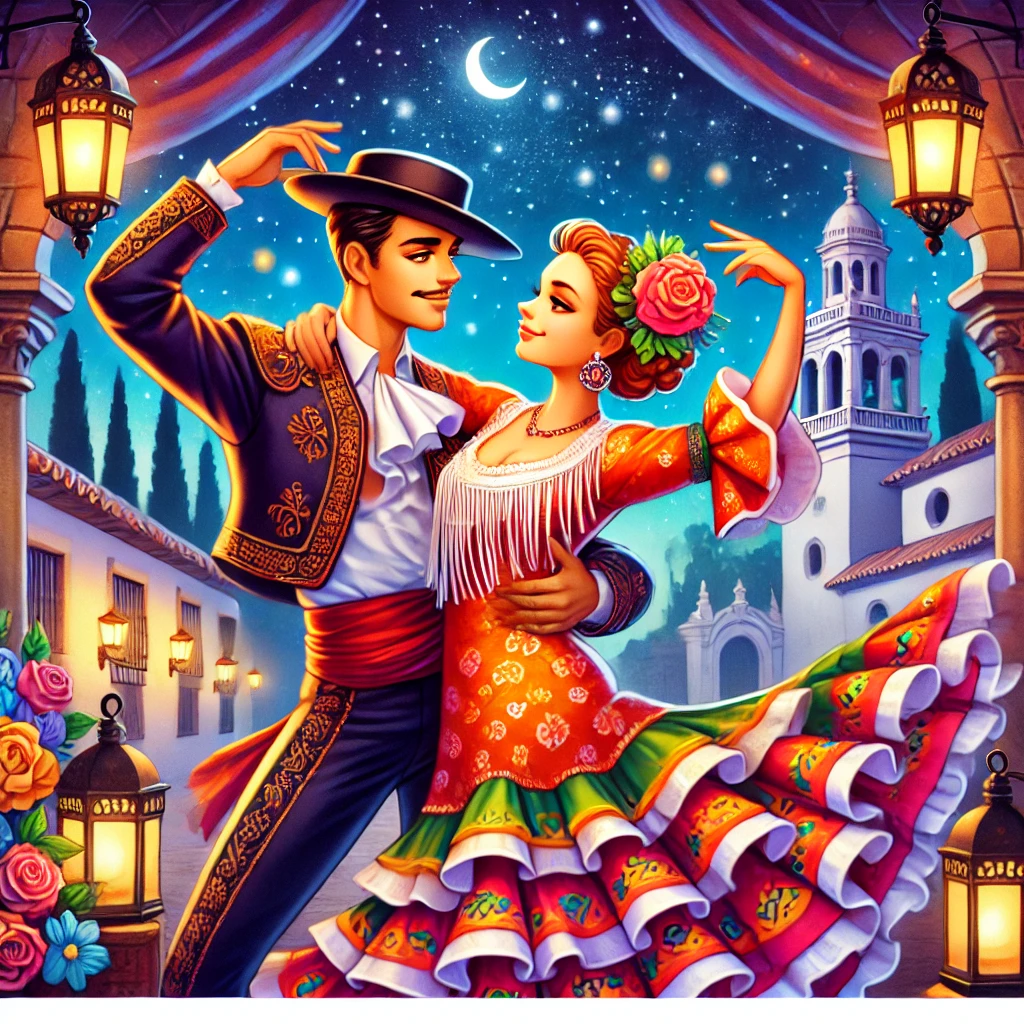
- Flamenco and Serenades: In certain regions, traditional music and dance like Flamenco are integral parts of romantic expression. Serenades, or “serenatas,” are also a popular way of wooing someone.
- Gift-Giving: Small, thoughtful gifts like flowers or chocolates are universal but often have unique cultural nuances. For example, red roses are a classic symbol of love.
- Celebrating “Dia de San Valentin”: Valentine’s Day is widely celebrated across Spanish-speaking countries, and participating in these traditions can strengthen relationships.
By embracing these customs, you can create meaningful experiences that transcend language barriers, showing a deep appreciation for both the culture and the person you love.
Conclusion: The Charm of Spanish Romantic Expressions
Learning and using Spanish expressions for love and romance can profoundly impact your relationships. It shows not only a willingness to communicate but also an effort to understand and integrate into a different culture. Whether you’re using traditional phrases, modern slang, or sweet terms of endearment, the key is sincerity and context.
Understanding the nuances and appropriate usage of these expressions can turn you into a smooth operator in the realm of love. It’s not just about the words; it’s about how you say them and the emotions behind them. So go ahead, explore the rich tapestry of the Spanish language, and let your heart speak through its poetic and passionate words.
With this guide, you’re well-equipped to navigate the intricacies of Spanish romantic expressions, ensuring your declarations of love are as impactful and genuine as they can be. And who knows? You might just find that learning these phrases not only enhances your romantic life but also deepens your appreciation for the beautiful language and culture from which they originate.