The Spanish language, lauded for its beauty and broad global reach, has long held a prominent spot in educational curricula around the world. As we forge ahead in the 21st century, trends and predictions surrounding the Spanish language in education continue to evolve. In this article, we will explore emerging patterns and provide insightful predictions about the future of Spanish language learning.
Introduction
The Spanish language, or “español,” boasts over 460 million native speakers across more than 20 countries, making it the second most spoken language in the world by native speakers. The importance of Spanish in global communication, business, and culture cannot be overstated. Its widespread use is propelling educational institutions to prioritize Spanish language learning. From primary schools to universities, students are increasingly encouraged to include Spanish in their academic journey. Understanding the trends and making predictions about Spanish language education helps educators, policymakers, and learners shape effective language programs.
In this context, we will delve into the significant trends shaping Spanish language education and forecast potential developments that could redefine language learning in the coming years. We will analyze the growth of Spanish-language programs, technological advancements in language learning, the influence of cultural exchanges, the impact of global events, and more.
Growth of Spanish-Language Programs
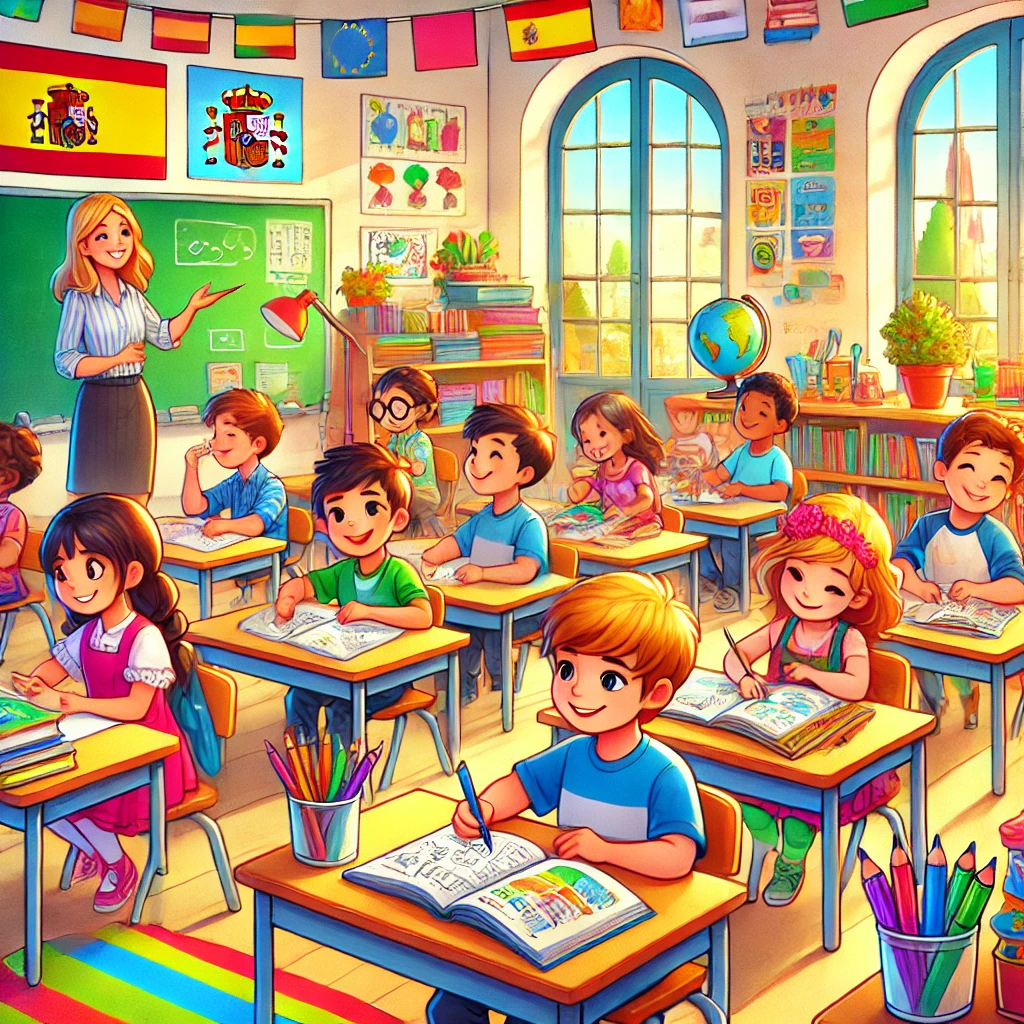
The surge in Spanish language programs is evident worldwide. Educational institutions are recognizing the value of bilingualism in an interconnected world, and Spanish, with its prevalence, is the preferred second language for many. The United States stands out as a prime example, where Spanish language programs have proliferated across various educational levels.
According to recent reports, the number of K-12 students in the United States enrolled in Spanish language courses has seen a notable increase. Higher education institutions also reflect this trend, with Spanish being the most studied foreign language. This growth is not restricted to the United States; countries like Brazil, Canada, and even some European nations are seeing an increase in Spanish language learners.
Factors contributing to this growth include the increasing Hispanic population in many countries, economic ties with Spanish-speaking countries, and a growing appreciation for Hispanic culture. Additionally, curricula are becoming more inclusive of diverse languages, encouraging cultural competency and global awareness among students.
Technological Advancements in Language Learning
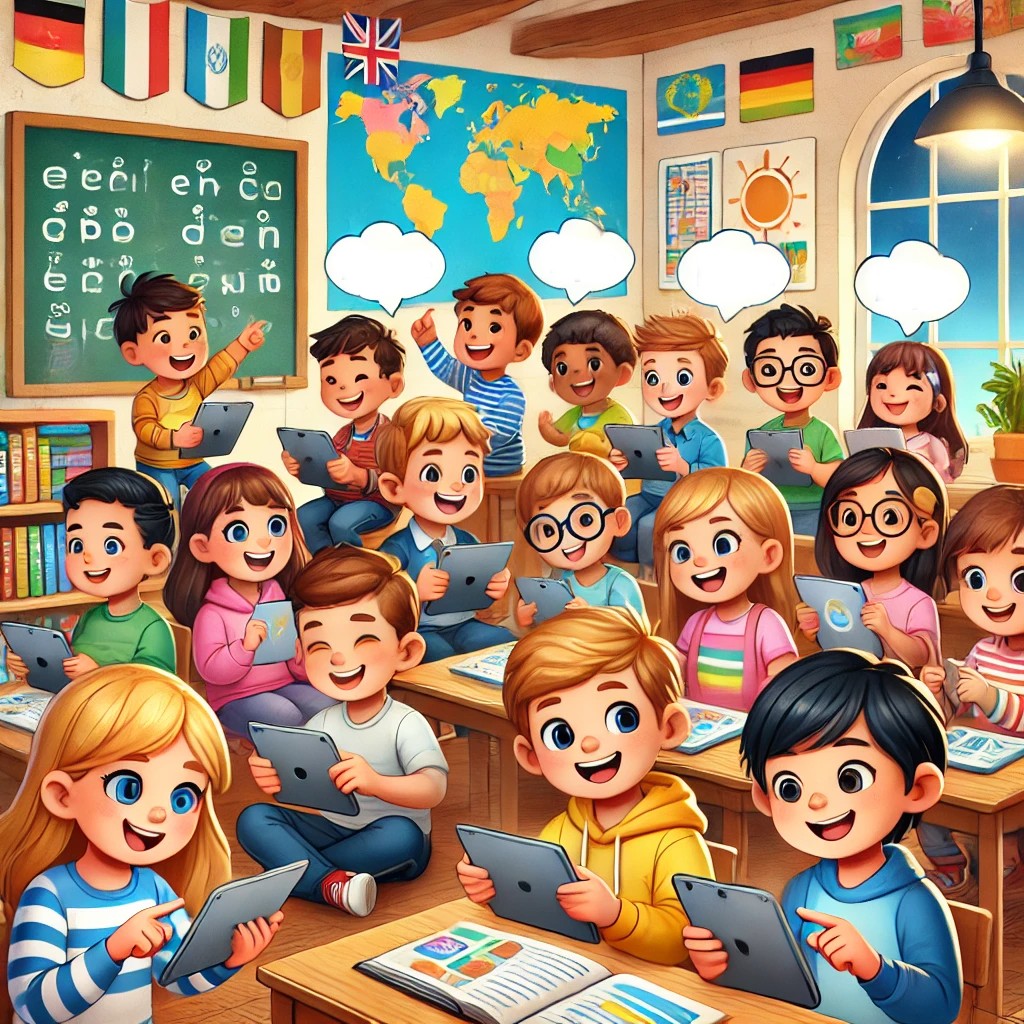
Technology is revolutionizing how we learn languages, and Spanish is no exception. From apps to online courses, Language Learning Software (LLS) is making Spanish more accessible than ever before. Platforms like Duolingo, Rosetta Stone, and Babbel offer interactive and engaging ways to learn Spanish, catering to various learning styles and paces.
Artificial Intelligence (AI) and machine learning are also playing crucial roles in enhancing the learning experience. AI-driven platforms provide personalized learning paths, enabling learners to progress according to their individual needs. Virtual Reality (VR) and Augmented Reality (AR) are emerging as innovative tools, offering immersive experiences that simulate real-life conversations and scenarios.
Moreover, social media platforms and language exchange programs are bridging gaps, allowing learners to practice Spanish with native speakers from around the world. These technological advancements are not only making Spanish learning more efficient but also more engaging and interactive, catering to the diverse needs of modern learners.
The Influence of Cultural Exchanges
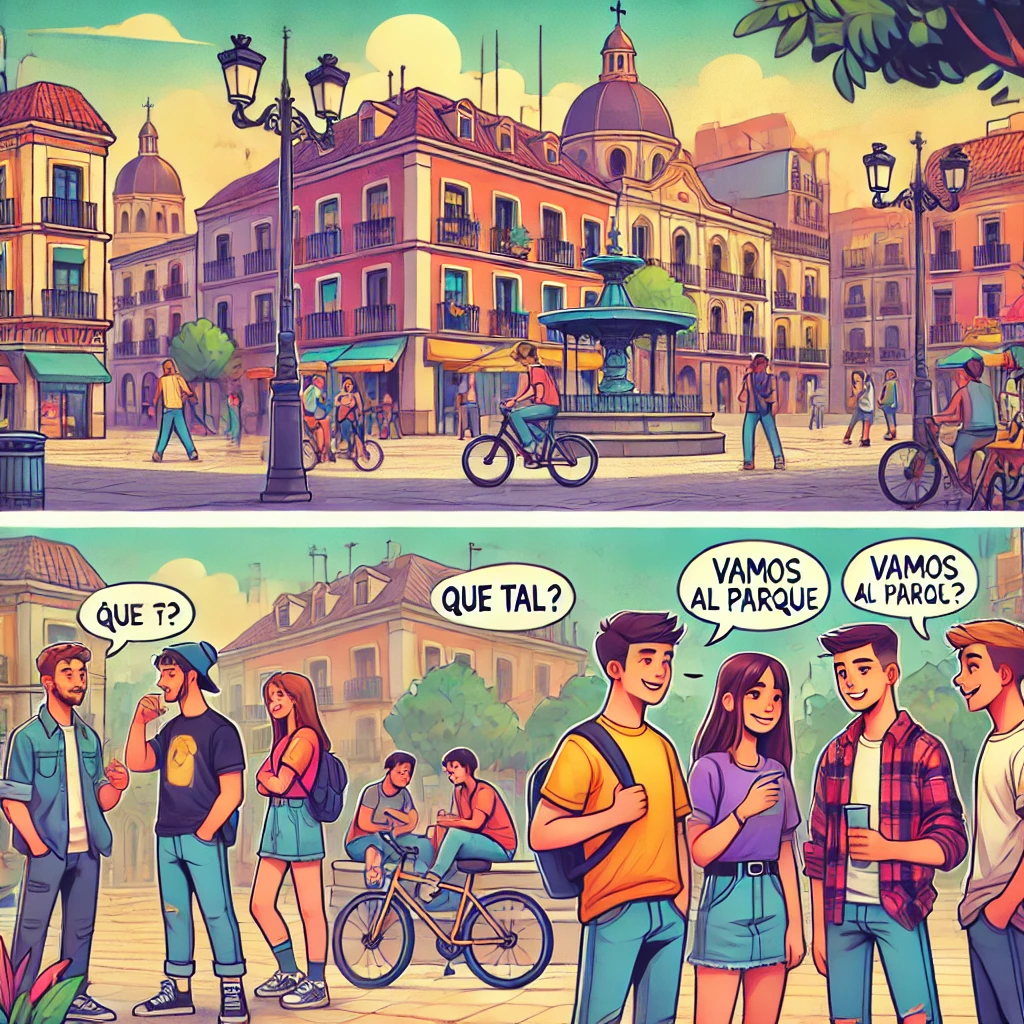
Cultural exchanges are fundamental in language learning, offering authentic contexts for practice and immersion. Programs such as study abroad, language immersion camps, and international student exchange have been pivotal in promoting Spanish language proficiency.
Countries like Spain and Mexico have been at the forefront of hosting such programs, attracting students from around the globe. These experiences enable learners to immerse themselves fully in the Spanish language and culture, significantly enhancing their linguistic and cultural competence. Participants not only improve their Spanish language skills but also gain a deeper understanding of Hispanic culture, traditions, and perspectives.
Virtual cultural exchange programs are emerging as viable alternatives, especially in times when travel is restricted. These programs utilize technology to connect learners with native Spanish speakers, host virtual tours, and facilitate cultural discussions. This trend is likely to continue growing, providing more opportunities for students to engage with the language in meaningful ways.
The Impact of Global Events
Global events invariably shape educational trends, and the Spanish language is no exception. The COVID-19 pandemic, for instance, has accelerated the adoption of online and hybrid learning models, impacting how Spanish is taught and learned.
With traditional classroom settings disrupted, educators have turned to digital platforms to continue language instruction. This shift has highlighted the importance of flexibility in education, underscoring the need for robust online learning models. Despite challenges, the pandemic has reinforced the value of bilingualism, particularly in navigating global crises and fostering international collaboration.
Additionally, geopolitical shifts and economic developments influence language education priorities. As Spanish-speaking economies grow and global markets expand, the demand for Spanish language proficiency in professional settings is likely to increase. This trend underscores the importance of incorporating practical language skills in educational curricula, preparing students for a globalized workforce.
Future Predictions for Spanish in Education
As we look to the future, several predictions emerge regarding the place of the Spanish language in education. Firstly, digital learning tools and platforms will continue to evolve, offering more sophisticated and personalized learning experiences. The integration of AI, VR, and AR in language education is poised to become more prevalent, providing immersive and adaptable learning environments.
Secondly, there will likely be a continued emphasis on cultural competence and global awareness in language education. Schools and universities are expected to integrate more cultural studies into their language programs, providing a holistic approach to learning. This trend reflects a broader shift towards education that combats stereotypes and promotes intercultural understanding.
Moreover, collaboration and partnerships between educational institutions across different countries will strengthen. These alliances will foster exchange programs, joint research, and shared resources, enhancing the quality and reach of Spanish language education.
Lastly, policy changes in various countries could also impact Spanish language learning. As governments recognize the economic and diplomatic advantages of bilingualism, more support and funding for language programs may be introduced. These policies could facilitate broader access to quality Spanish language education, benefiting students from diverse backgrounds.
Conclusion
The Spanish language continues to hold a vital place in global education. The trends and predictions outlined in this article underscore the dynamic nature of Spanish language learning, shaped by technological advancements, cultural exchanges, global events, and emerging educational paradigms. As educational landscapes evolve, so too will the methods and approaches to teaching Spanish, reflecting the changing needs and aspirations of learners worldwide.
Educators, students, and policymakers must remain attuned to these developments, embracing innovation and fostering environments that promote language proficiency and cultural understanding. Spanish, with its rich heritage and global relevance, will undoubtedly remain a cornerstone of education, opening doors to countless opportunities in an interconnected world.