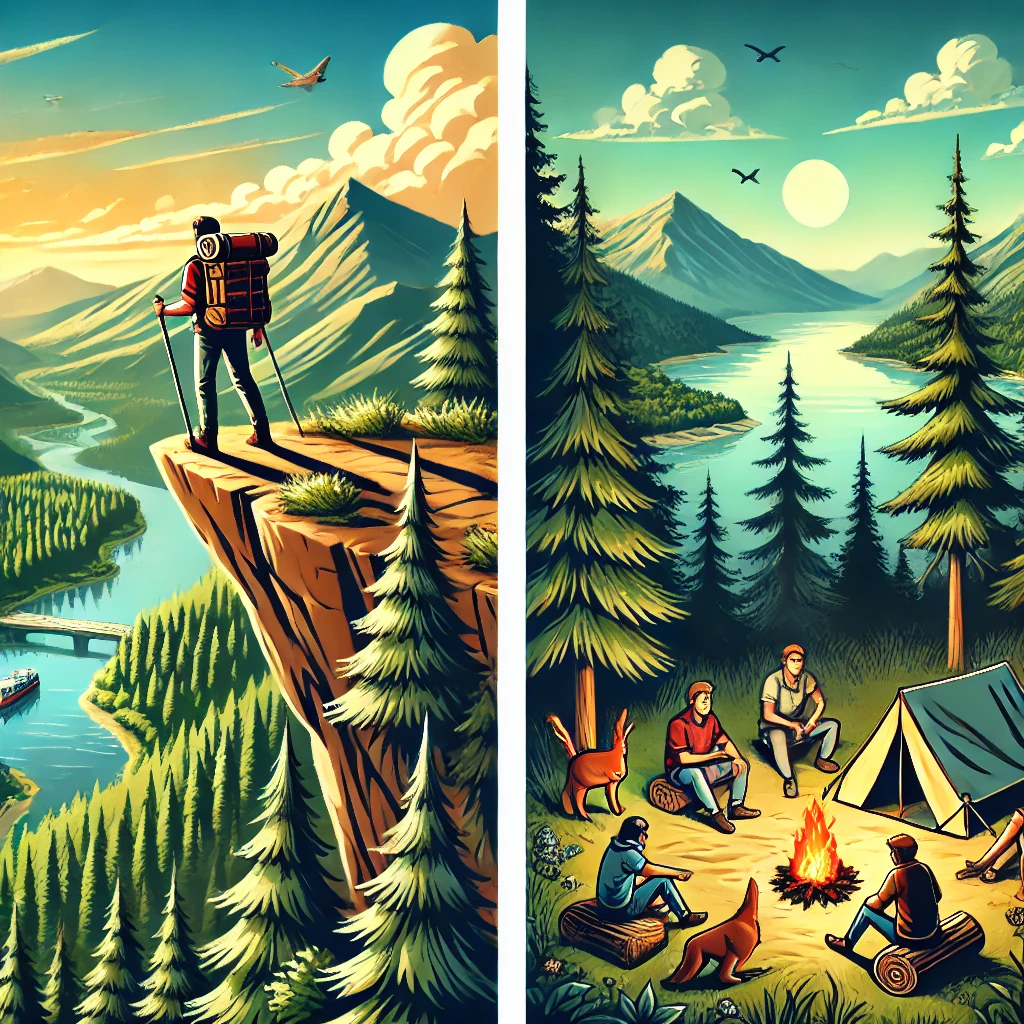
Imagine trekking through a dense rainforest, climbing to the peak of a mountain, or navigating a winding river in a kayak. The allure of adventure and nature travel is undeniable, offering an escape from the mundane and a closer connection to the natural world. But the full experience often requires more than just physical preparation—it demands linguistic readiness, especially when traveling to Spanish-speaking countries. Whether you’re gearing up for a thrilling backpacking trip through the Andes or planning a serene bird-watching tour in Costa Rica, knowing the right Spanish vocabulary can profoundly enrich your journey. From essential nature-related terms to adventure-specific phrases, this comprehensive guide will equip you with the words you need to communicate effectively and fully immerse yourself in the local environment. Spanish is rich and expressive, perfectly suited for describing the diverse landscapes and exhilarating activities you might encounter. Ready to enhance your travel adventures with a deeper linguistic connection to the places you visit? Let’s dive into this essential Spanish vocabulary for adventure and nature travel.
Essential Vocabulary for Nature Enthusiasts
Nature travel is all about immersing yourself in the environment, and there’s no better way to do that than by speaking the local language. Here’s a list of essential Spanish vocabulary focused on natural elements and phenomena that you’ll likely encounter on your travels:
- Montaña (Mountain) – “Voy a escalar una montaña” (“I’m going to climb a mountain”).
- Río (River) – “El río fluye rápidamente” (“The river flows quickly”).
- Selva (Jungle/Rainforest) – “La selva está llena de vida” (“The jungle is full of life”).
- Desierto (Desert) – “El desierto es muy árido” (“The desert is very arid”).
- Mar (Sea) – “El mar es vasto y misterioso” (“The sea is vast and mysterious”).
- Lago (Lake) – “El lago es tranquilo” (“The lake is calm”).
- Playa (Beach) – “Voy a relajarme en la playa” (“I’m going to relax on the beach”).
- Bosque (Forest) – “El bosque es muy denso” (“The forest is very dense”).
- Catarata (Waterfall) – “La catarata es impresionante” (“The waterfall is impressive”).
Adventure Activities and Gear
Adventure travel is full of exciting activities that often require specific gear. Here’s a list of words and phrases that will help you talk about your adventures and the equipment you’ll need:
- Escalar (To Climb) – “Me gusta escalar montañas” (“I like to climb mountains”).
- Senderismo (Hiking) – “Vamos a hacer senderismo” (“We are going hiking”).
- Bucear (To Dive) – “Vamos a bucear en el arrecife” (“We are going to dive on the reef”).
- Rappel (Abseiling) – “Vamos a hacer rappel en la montaña” (“We are going to abseil on the mountain”).
- Tienda de campaña (Tent) – “Necesitamos una tienda de campaña para acampar” (“We need a tent to camp”).
- Saco de dormir (Sleeping Bag) – “Voy a dormir en mi saco de dormir” (“I am going to sleep in my sleeping bag”).
- Linterna (Flashlight) – “No olvides tu linterna” (“Don’t forget your flashlight”).
- Prismáticos (Binoculars) – “Uso mis prismáticos para ver aves” (“I use my binoculars to watch birds”).
Flora and Fauna: Connecting with Wildlife
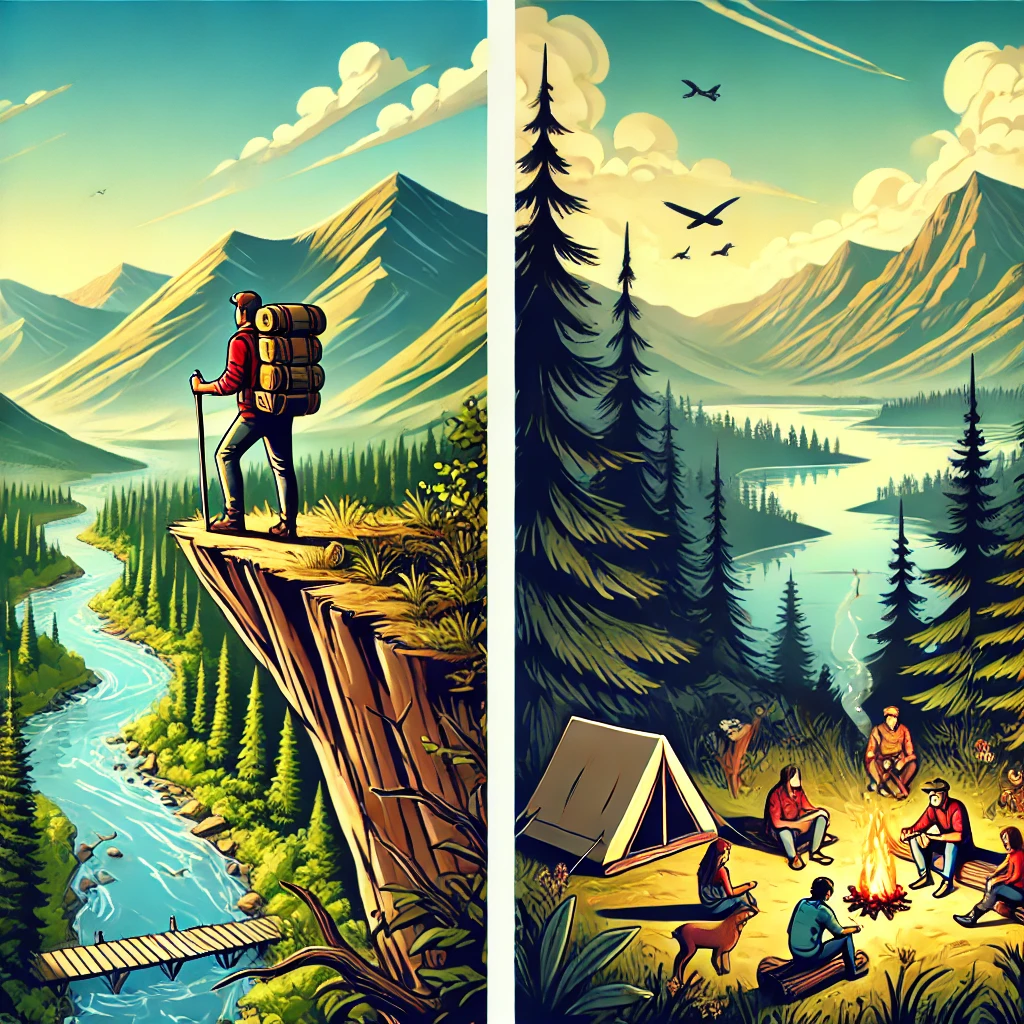
One of the most exciting parts of adventure and nature travel is encountering diverse wildlife. Being able to name and describe the animals and plants you see can greatly enhance your experience. Here are some useful terms:
- Pájaro (Bird) – “¡Mira ese pájaro colorido!” (“Look at that colorful bird!”).
- Mariposa (Butterfly) – “Las mariposas son muy bonitas” (“The butterflies are very beautiful”).
- Mono (Monkey) – “Los monos son muy juguetones” (“Monkeys are very playful”).
- Flor (Flower) – “Esa flor es muy rara” (“That flower is very rare”).
- Árbol (Tree) – “Este árbol es muy antiguo” (“This tree is very old”).
- Serpiente (Snake) – “Cuidado con las serpientes” (“Be careful with the snakes”).
Weather and Natural Phenomena
Understanding and discussing the weather is crucial during travel, especially in nature settings where conditions can change rapidly. Here’s key vocabulary:
- Calor (Heat) – “Hace mucho calor hoy” (“It’s very hot today”).
- Frío (Cold) – “Hace muchísimo frío” (“It’s very cold”).
- Lluvia (Rain) – “Hay probabilidad de lluvia” (“There’s a chance of rain”).
- Nieve (Snow) – “La nieve cubre las montañas” (“The snow covers the mountains”).
- Tormenta (Storm) – “Una tormenta está viniendo” (“A storm is coming”).
- Viento (Wind) – “El viento sopla fuerte” (“The wind blows strongly”).
Asking for Directions and Local Recommendations
When traveling, it’s often necessary to ask for directions or recommendations. Knowing how to ask these questions in Spanish can be extremely helpful:
- ¿Dónde está…? (Where is…?) – “¿Dónde está la montaña más cercana?” (“Where is the nearest mountain?”)
- ¿Cómo se llega a…? (How do you get to…?) – “¿Cómo se llega al sendero?” (“How do you get to the trail?”)
- ¿Cuánto tiempo tarda en llegar a…? (How long does it take to get to…?) – “¿Cuánto tiempo tarda en llegar al río?” (“How long does it take to get to the river?”)
- ¿Qué me recomienda para…? (What do you recommend for…?) – “¿Qué me recomienda para una caminata?” (“What do you recommend for a hike?”)
- La mejor época para visitar (The best time to visit) – “¿Cuál es la mejor época para visitar la selva?” (“What is the best time to visit the jungle?”)
Conclusion: Enhancing Your Adventure and Nature Travel in Spanish
Traveling offers a rich tapestry of experiences that are only heightened by the ability to communicate in the local language. By cultivating your Spanish vocabulary specific to adventure and nature travel, you not only enhance your ability to navigate and enjoy your journey but also deepen your connection with the environment and the people you encounter. Whether you’re climbing a majestic mountain, exploring a lush rainforest, or seeking the perfect spot to watch a sunrise on the beach, having the right words at your disposal can make all the difference. This guide has provided essential terms and phrases tailored for the adventure and nature traveler, giving you the tools to fully engage with your surroundings. Remember, language is more than just a means of communication; it’s a bridge to understanding and appreciating the world around you. Equip yourself with these words and phrases, and let your travels in the Spanish-speaking world become even more memorable and enlightening. So pack your bags, study this vocabulary, and get ready for an incredible adventure filled with nature’s wonders and new linguistic discoveries.


