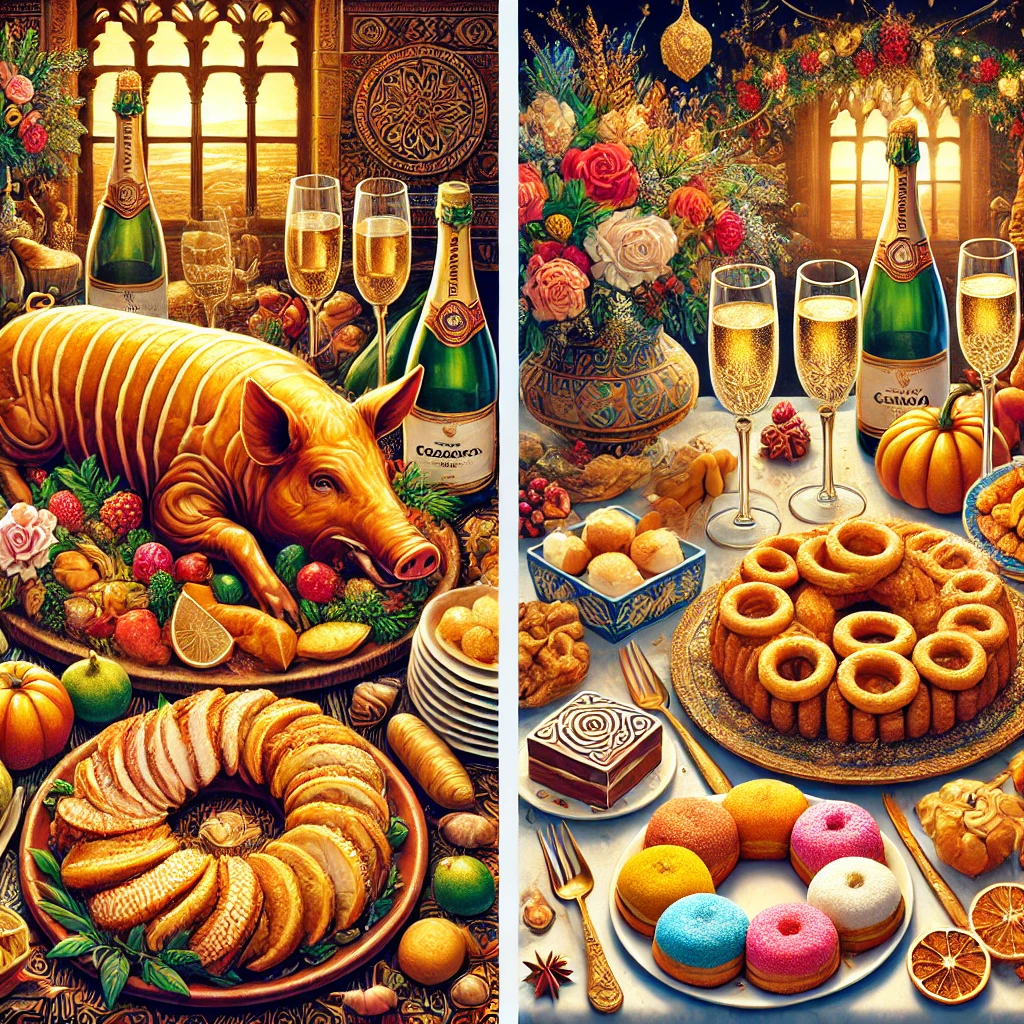
When immersing yourself in the rich culture of Spanish-speaking countries, understanding the vibrant culinary traditions is essential. Food is a cornerstone of many celebrations, from family gatherings to national festivities, making Spanish vocabulary for traditional festive foods incredibly useful and fascinating. Let’s dive into the world of Spanish culinary delights and enhance your lexicon with delectable terms.
Spanish-speaking nations boast a diverse array of festive foods, each carrying unique historical and cultural significance. Whether you’re planning to visit a Spanish-speaking country during a festive season, wish to cook traditional dishes, or simply want to expand your vocabulary, knowing these terms can significantly enhance your experience. In this exploration, we will cover some of the most cherished traditional festive foods, the terms you need to know, and how these delicacies fit into the broader cultural context.
Festive Foods for Navidad (Christmas) Festive Foods for Navidad (Christmas)
Christmas, or Navidad, is celebrated with great enthusiasm across Spanish-speaking countries, and the culinary traditions are an integral part of these celebrations. Here are some key terms and dishes you should be familiar with:
- Turrón: A traditional nougat made from almonds and honey, commonly enjoyed in Spain during the Christmas season.
- Pavo relleno: Stuffed turkey, often seasoned with various herbs and spices, is a Christmas dinner staple in many homes.
- Rosca de Reyes: In Mexico and other parts of Latin America, this ring-shaped cake is eaten on January 6th, celebrating Epiphany. It is often decorated with dried fruits and sometimes contains small hidden figures.
- Polvorones: Soft and crumbly shortbread cookies made with almonds, perfect for satisfying your sweet tooth during the holidays.
- Pernil: A succulent roasted pork leg, especially popular in Puerto Rico, often marinated in a flavorful mix of garlic, oregano, and citrus juices.
These dishes are more than just food; they represent centuries-old traditions passed down through generations. Knowing these terms will not only enhance your culinary skills but also allow you to appreciate and respect the cultural context of these festive moments.
Festive Foods for Día de los Muertos Festive Foods for Día de los Muertos
Día de los Muertos, or Day of the Dead, is a significant cultural event in Mexico and other Spanish-speaking countries. This festival celebrates and honors deceased loved ones through various customs, including the preparation of specific foods. Key vocabulary includes:
- Pan de muerto: A special type of bread decorated with bone-like shapes and sprinkled with sugar, typically enjoyed during the celebration.
- Calabaza en tacha: Candied pumpkin, slow-cooked with cinnamon and piloncillo (unrefined cane sugar) offers a sweet and aromatic treat.
- Atole: A warm, thickened beverage made from masa (corn dough), sweetened with sugar and flavored with vanilla or chocolate, perfect for chilly evenings.
- Tamales: Traditional steamed cornmeal dough filled with meats, cheeses, or sweets, wrapped in corn husks, and often enjoyed in various forms during celebrations.
- Cempasúchil: Although not a food, these marigold flowers are used extensively in decorations and are essential for your Día de los Muertos vocabulary.
Learning this vocabulary will help you better understand the deep cultural connections tied to Día de los Muertos and allow you to participate more fully in its unique culinary traditions.

Festive Foods for Feria de Abril Festive Foods for Feria de Abril
The Feria de Abril, or April Fair, is a prominent celebration in Seville, Spain. This fair is famous for its lively atmosphere, traditional dress, and, of course, its mouth-watering foods. Essential vocabulary includes:
- Pescaito frito: Lightly battered and fried fish, usually served as a tapa.
- Jamón ibérico: Cured Iberian ham, known for its rich flavor and smooth texture, often enjoyed with bread or on its own.
- Rebujito: A refreshing cocktail made from Sherry (Manzanilla or Fino) and lemon-lime soda, commonly enjoyed at the fair.
- Churros: Deep-fried dough pastries, often dipped in hot chocolate or sprinkled with sugar, perfect for a sweet snack.
- Montaditos: Small sandwiches filled with a variety of ingredients, ideal for quick bites while enjoying the festivities.
The Feria de Abril showcases the vibrant food culture of Spain, and knowing these terms will enrich your experience if you ever find yourself at this joyous event.
Festive Foods for Cinco de Mayo Festive Foods for Cinco de Mayo
Cinco de Mayo commemorates the Mexican Army’s victory over the French Empire at the Battle of Puebla, celebrated with festive foods and vibrant parties. Key culinary vocabulary includes:
- Chiles en nogada: A seasonal dish featuring poblano chiles stuffed with a mixture of meat, fruits, and spices, topped with a walnut cream sauce and pomegranate seeds.
- Mole poblano: A rich and complex sauce made with chocolate, chilies, and a blend of spices, served over meats, most commonly chicken.
- Pozole: A traditional soup made from hominy, pork or chicken, and seasoned with various herbs and spices, served with garnishes like lettuce, radishes, and lime.
- Tacos: Perhaps the most iconic Mexican dish, featuring various fillings such as meat, cheese, and vegetables, wrapped in a corn or flour tortilla.
- Tequila: While not a food, this iconic Mexican spirit is often enjoyed during Cinco de Mayo celebrations, either straight or in cocktails.
With these terms in your vocabulary arsenal, you’ll be better equipped to celebrate and appreciate the flavors of Cinco de Mayo in true Mexican style.
Festive Foods for La Tomatina Festive Foods for La Tomatina
La Tomatina is the famous tomato-throwing festival held in Buñol, Spain, drawing crowds from around the world. Besides the tomato fight, there are staple foods tied to the festival experience. Important vocabulary includes:
- Paella: A renowned Spanish rice dish made with saffron, seafood, meat, and vegetables, commonly served at gatherings.
- Gazpacho: A cold tomato-based soup that offers a refreshing and flavorful break from the heat of the festival.
- Horchata: A sweet beverage made from ground almonds, tiger nuts, or rice, providing a cooling refreshment.
- Empanadas: Pastries filled with meat, cheese, or vegetables, offering a convenient and delicious snack.
- Tinto de verano: A chilled red wine mixed with lemon-lime soda, a popular drink to stay cool during the festivities.
Although La Tomatina is primarily a unique and lively experience centered around fun, having these food terms in your vocabulary can greatly enhance your overall festival adventure.
Festive Foods for Semana Santa Festive Foods for Semana Santa
Semana Santa, or Holy Week, is a significant celebration in many Spanish-speaking countries, marked by religious processions and traditional foods. Essential vocabulary includes:
- Torrijas: A Spanish-style French toast made from bread soaked in milk, then fried and sweetened with sugar or honey.
- Potaje de vigilia: A hearty stew made with chickpeas, spinach, and cod, typically enjoyed on Good Friday.
- Bacalao: Salted cod, often prepared in various dishes such as bacalao a la vizcaína during Holy Week.
- Sopa de ajo: A simple yet flavorful garlic soup, often enjoyed during the cooler days of Semana Santa.
- Buñuelos: Sweet fritters, sometimes filled with cream, custard, or other delights, perfect for a festive treat.
Semana Santa’s culinary traditions are deeply tied to the religious and cultural practices of the region. Familiarizing yourself with this vocabulary allows you to gain deeper insights into the significance of these foods and their place in the celebrations.
Conclusion
Expanding your vocabulary with terms related to traditional festive foods offers more than just language enrichment; it provides a window into the rich and diverse cultures of Spanish-speaking countries. Each festival, whether it is Navidad, Día de los Muertos, Feria de Abril, Cinco de Mayo, La Tomatina, or Semana Santa, is marked by unique and delicious dishes that carry profound cultural significance.
By learning these specific food terms, you not only prepare yourself to better navigate and enjoy these celebrations, but you also show respect and appreciation for the traditions behind them. Food is a universal language that brings people together, and understanding the vocabulary associated with festive foods allows you to connect more deeply with the people and traditions of the Spanish-speaking world.
Whether you’re traveling, cooking, or simply expanding your linguistic skills, this thematic vocabulary for traditional festive foods will serve as a valuable tool. Enjoy exploring these culinary delights and enhancing your Spanish proficiency along the way.