In today’s rapidly evolving digital age, technology has made significant strides in transforming language acquisition. Spanish, being one of the most widely spoken languages globally, has seen a vast array of innovative tools and resources designed to facilitate learning. From interactive apps and comprehensive software programs to advanced AI-powered tutors and immersive VR experiences, the landscape of language learning is richer than ever before. This article delves into the latest technological advancements that are revolutionizing how learners acquire Spanish.
Interactive Language Learning Apps
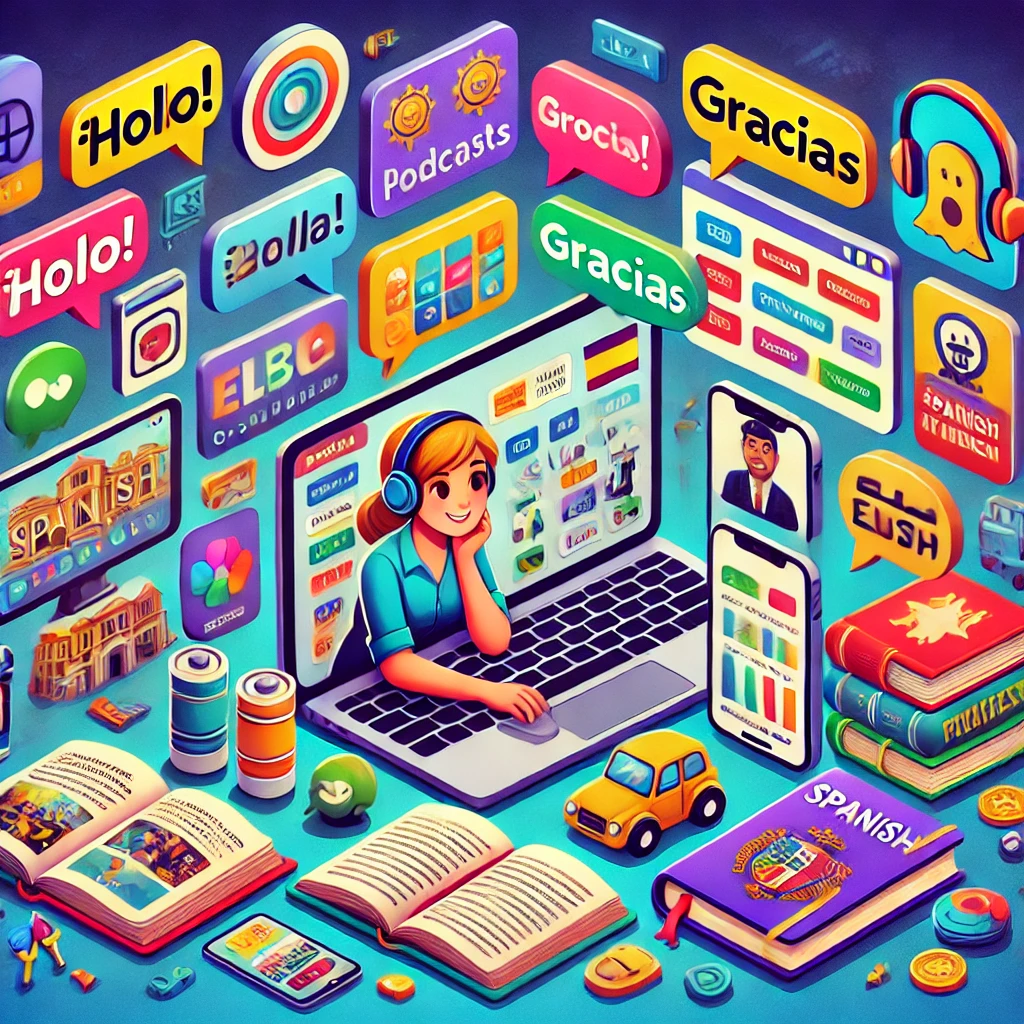
One of the most notable advancements in Spanish language acquisition is the explosion of interactive learning apps. These apps have succeeded in making language learning more accessible and engaging for people of all ages. They offer a range of features, including gamified exercises, real-time progress tracking, and personalized learning paths. Apps like Duolingo, Babbel, and Rosetta Stone have become household names, with millions of users worldwide. They utilize principles of spaced repetition and gamification to ensure that learners retain vocabulary and grammar over the long term.
Duolingo, for example, offers bite-sized lessons that turn language learning into a fun and competitive experience. Learners earn points and rewards while advancing through different levels. The app’s use of leaderboards and social features encourages users to keep practicing regularly. Babbel, on the other hand, focuses more on practical conversation skills and real-life dialogues, making it ideal for learners who want to acquire conversational fluency quickly. Rosetta Stone employs a full-immersion method, emphasizing the natural acquisition of language through context and visual cues. These apps exemplify how technology can make learning Spanish both effective and enjoyable.
AI-Powered Language Tutors
Artificial intelligence has brought unprecedented changes to language learning by providing personalized and adaptive learning experiences. AI-powered language tutors can analyze a learner’s strengths and weaknesses, tailoring lessons to address individual needs. Platforms like Busuu and Lingoda utilize AI to deliver customized feedback and interactive exercises that adapt in real time.
One of the remarkable AI applications in this space is Google’s AI-powered language tools, such as Google Translate and its conversation feature. These tools can translate written and spoken Spanish to and from various languages instantly, facilitating real-time communication and understanding. AI-driven chatbots, like those used in the Replika app, engage learners in conversations, responding in a natural and coherent manner. These conversations help learners practice speaking and listening skills in a risk-free environment, building confidence and fluency.
Moreover, AI’s potential in speech recognition is being harnessed to improve pronunciation skills. Apps like Elsa Speak and Speechling offer instant feedback on pronunciation, helping learners fine-tune their accent and intonation. This technology ensures that learners not only understand Spanish but can also speak it accurately and confidently.
Virtual Reality (VR) and Augmented Reality (AR) in Language Learning
Virtual reality and augmented reality technologies are ushering in a new era of immersive language learning experiences. These technologies create simulated environments where learners can practice Spanish in real-life contexts without leaving their homes. VR apps like Mondly VR and ImmerseMe offer interactive lessons set in various scenarios, such as ordering food in a Spanish restaurant or navigating a Spanish-speaking market.
Using VR headsets, learners can immerse themselves in a 3D environment where they interact with virtual characters and objects, enhancing their language skills through experiential learning. This level of immersion helps learners develop practical language skills that are directly applicable in real-world situations.
AR, on the other hand, overlays digital content onto the physical world, providing an interactive layer of learning. Apps like Google Lens can recognize text in Spanish and offer translations and explanations in real-time. AR flashcards and educational games, such as those available on platforms like ARLOOPA, transform language practice into an engaging and interactive experience, keeping learners motivated and attentive.
Online Language Exchange Platforms
Language exchange platforms have gained popularity as effective tools for learning Spanish through real-world communication with native speakers. Websites and apps like Tandem, HelloTalk, and ConversationExchange connect learners with Spanish speakers who are learning their native language. This mutual exchange provides a valuable opportunity to practice speaking, listening, and cultural understanding.
Through text, voice, and video chats, learners can engage in conversations that reflect authentic language use. This interaction not only improves linguistic skills but also fosters cultural exchange and global connections. Additionally, many of these platforms offer built-in correction tools and translation aids, making it easier for learners to understand and improve their language skills during exchanges.
Beyond traditional language exchange, services like iTalki and Preply connect learners with professional Spanish tutors for personalized lessons. These one-on-one sessions often involve tailored instruction, feedback, and practice geared towards the learner’s specific goals and proficiency level. This direct interaction with an experienced tutor can significantly accelerate the learning process.
Language Learning through Media and Entertainment
Consuming media and entertainment in Spanish is another effective way to enhance language acquisition. Streaming services, podcasts, and social media platforms offer a wealth of content that learners can use to immerse themselves in the language. Watching Spanish movies and TV shows with subtitles, listening to Spanish music, and following Spanish influencers on social media can significantly improve comprehension and vocabulary.
Streaming platforms like Netflix and Disney+ provide a vast library of Spanish-language content, ranging from telenovelas and documentaries to animated series and blockbuster films. By engaging with this content, learners can improve their listening skills and understand different accents and dialects.
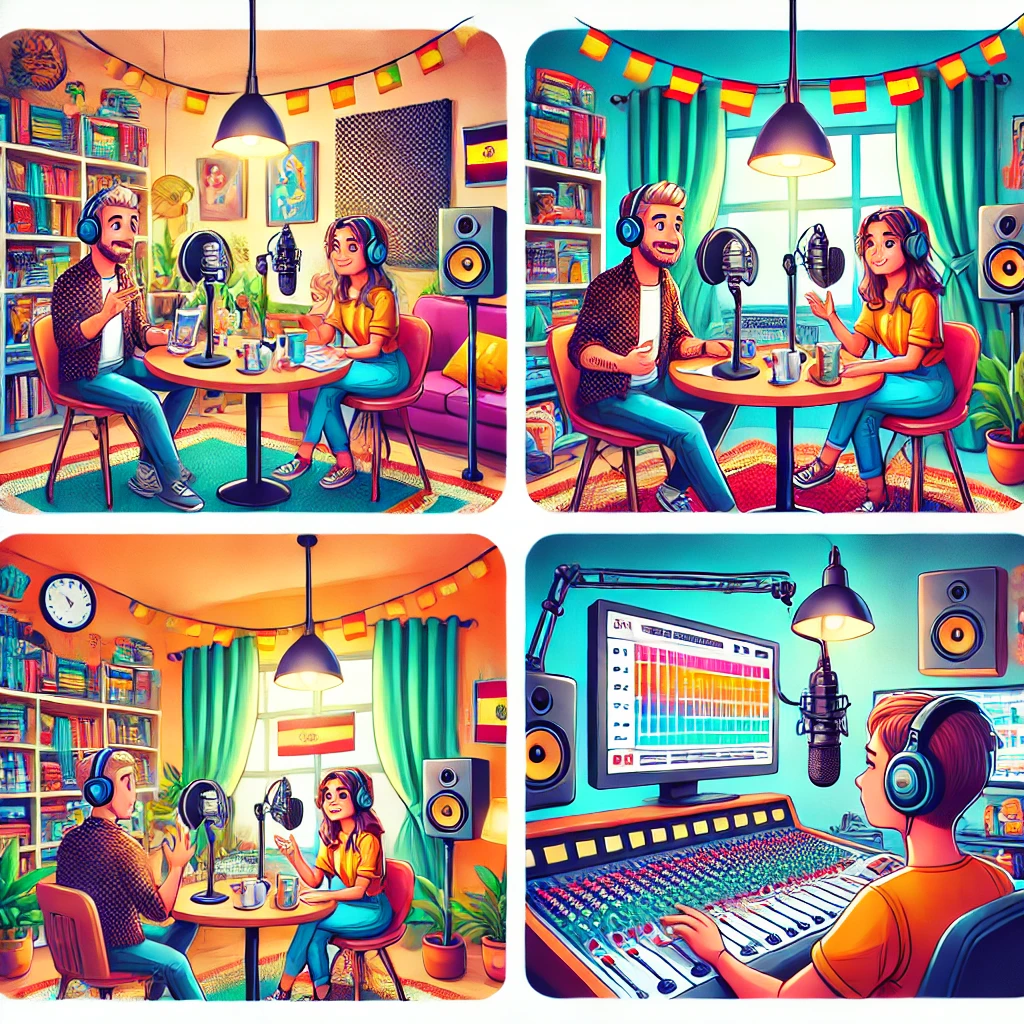
Podcasts such as “Radio Ambulante” and “Español con Juan” offer audio stories and lessons that cover a wide range of topics, from current events to language tips. These podcasts give learners the flexibility to practice listening on the go. Social media platforms like YouTube, Instagram, and TikTok are also treasure troves of language learning resources. Influencers and educators share tips, lessons, and cultural insights that make learning Spanish more dynamic and relevant.
Innovative Classroom Technologies
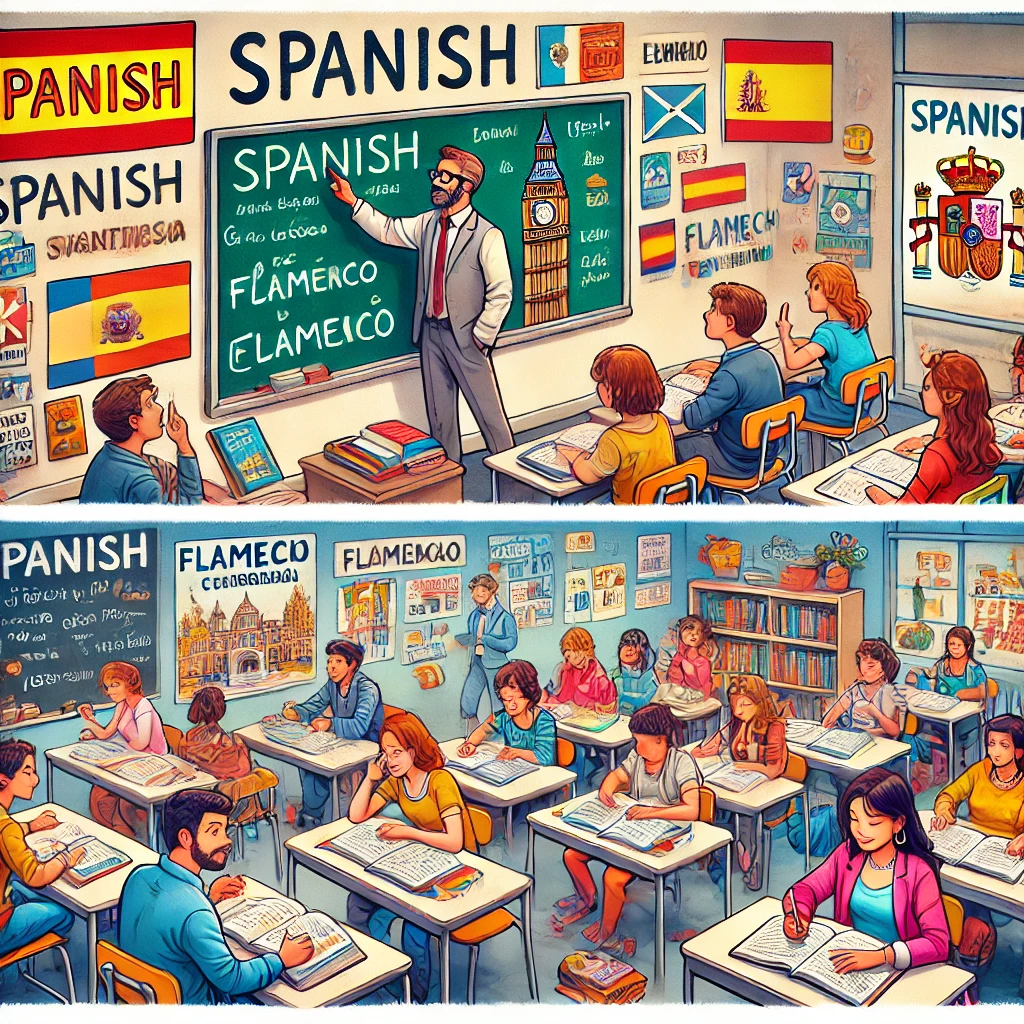
In traditional educational settings, technology continues to shape the way Spanish is taught and learned. Smartboards, language labs, and digital textbooks have modernized classrooms, providing students with interactive and engaging learning experiences. Digital textbooks, like those used by platforms such as Pearson and McGraw Hill, offer interactive exercises, multimedia content, and immediate feedback, making learning more comprehensive and enjoyable.
Language labs equipped with audio and video recording tools allow students to practice speaking and listening skills while receiving instant feedback. Teachers can use smartboards to integrate multimedia resources into their lessons, creating a more interactive learning environment. Platforms like Quizlet and Kahoot! enhance vocabulary learning and comprehension through fun and competitive quizzes and games.
Additionally, Learning Management Systems (LMS) like Moodle and Blackboard enable teachers to create and manage online courses, track student progress, and facilitate communication outside the classroom. These systems ensure that students have continuous access to learning materials and support, making education more flexible and personalized.
Conclusion
The integration of technology into Spanish language learning has brought about a significant transformation, making the process more engaging, interactive, and effective. From interactive apps and personalized AI tutors to immersive VR experiences and language exchange platforms, learners now have access to a multitude of resources that cater to different learning styles and preferences. The rise of media and entertainment as learning tools and the modernization of classroom technologies further enhance the overall language acquisition experience.
As technology continues to evolve, we can expect even more innovative tools and methods to emerge, providing learners with endless opportunities to master the Spanish language. Whether you are a beginner looking to start your language journey or an advanced learner aiming to achieve fluency, leveraging these technological advancements will undoubtedly accelerate your progress and enrich your learning experience. Embrace these tools and discover the exciting world of Spanish language acquisition in the digital age.