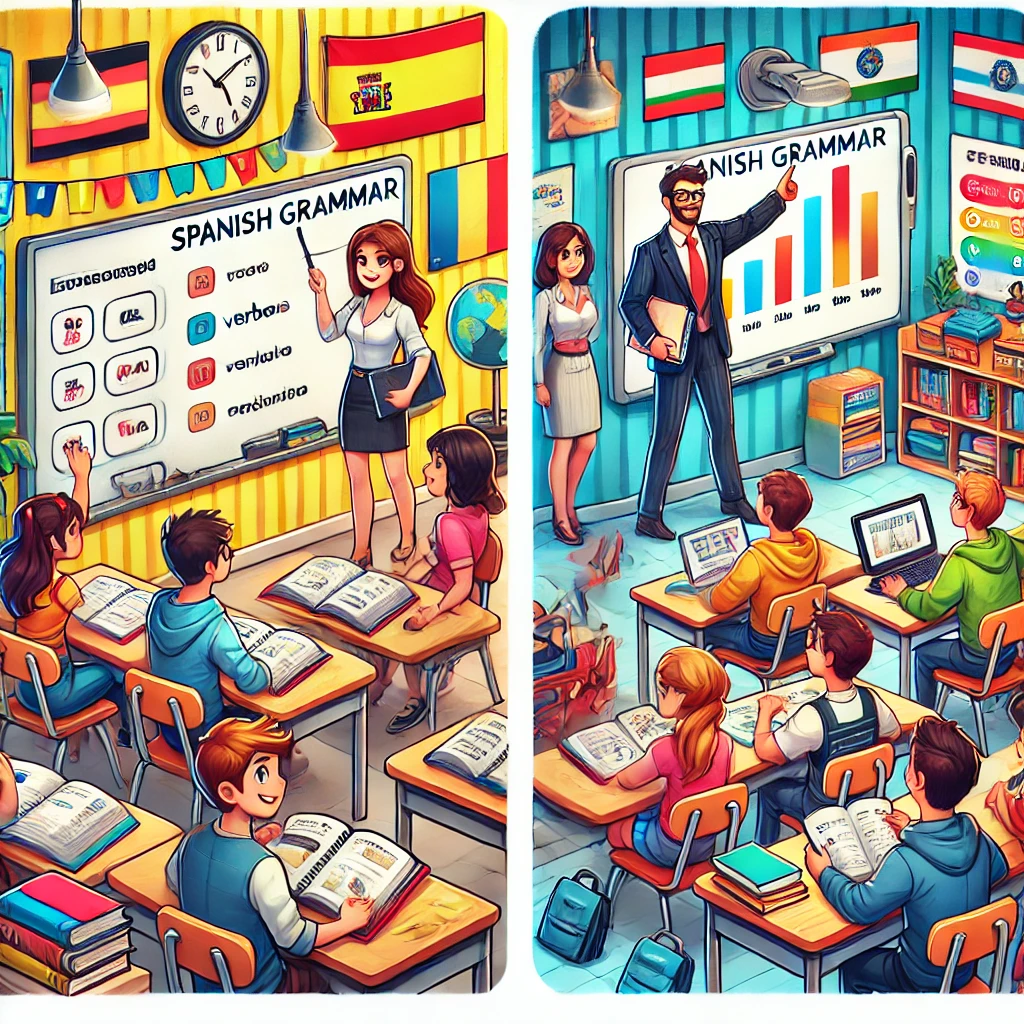
Artificial Intelligence (AI) has come a long way in recent years, and its impact is being felt across various sectors, including education. Specifically, AI has started to transform the way we teach and learn languages, Spanish included. The integration of AI in Spanish language education brings about numerous advantages, making the process of learning not only more efficient but also more enjoyable. This article delves into the intricate role of AI in fostering Spanish language education, exploring various AI-driven tools and applications, advantages and challenges, and future prospects.
Introduction
In the digital age, the educational landscape is rapidly evolving, with technology playing a pivotal role. Among the plethora of technologies making a mark, Artificial Intelligence (AI) stands out. AI is reshaping various educational paradigms, and language education is no exception. The Spanish language, spoken by over 460 million native speakers worldwide, is one of the world’s most studied languages. To facilitate better learning experiences, AI technology is increasingly being integrated into Spanish language education programs and tools.
Artificial Intelligence, in its essence, refers to the simulation of human intelligence in machines that are programmed to think and learn. This technology is capable of performing tasks that usually require human intelligence such as speech recognition, decision-making, and language translation. When applied to Spanish language education, AI brings innovative solutions that make learning more personalized, interactive, and effective.
From AI-powered language learning apps and chatbots to sophisticated language processing tools, the application of AI in Spanish education is multifaceted. By leveraging these technologies, educators can provide better resources, create more engaging content, and offer real-time feedback, thus greatly enhancing the learning experience. This introduction sets the stage for a detailed exploration of how AI is revolutionizing Spanish language education.
AI-Powered Language Learning Apps
One of the most notable contributions of AI to Spanish language education is through AI-powered language learning applications. Apps such as Duolingo, Babbel, and Rosetta Stone incorporate AI algorithms to personalize the learning experience for each user. These applications analyze user interactions and learning patterns to tailor lessons accordingly, ensuring that learners are constantly engaged and challenged at an appropriate level.
AI also enables these apps to offer instant feedback, which is crucial for language learning. For instance, if a user makes a mistake, the AI can immediately provide corrections and explanations, helping the learner understand their errors and avoid repeating them in the future. Additionally, these apps often include speech recognition features that allow learners to practice their pronunciation and receive real-time feedback on their accuracy.
Moreover, AI-powered apps often incorporate gamification elements to make learning more fun and engaging. Through interactive exercises, quizzes, and rewards systems, learners are motivated to practice regularly, which is key to mastering a new language. The adaptability and interactivity provided by AI in these apps significantly enhance the overall learning experience.
AI in Language Assessment and Feedback
Assessment is a critical component of language education, as it helps gauge a learner’s proficiency and progress. Traditional methods of assessment, however, can be time-consuming and may not always provide immediate feedback. This is where AI steps in, offering more efficient and dynamic assessment solutions.
AI-driven assessment tools can automatically evaluate written and spoken language inputs. For example, tools like Grammarly and Write & Improve use AI to analyze written Spanish for grammar, syntax, and style, providing immediate suggestions for improvement. Similarly, AI-based speech recognition technology can assess pronunciation, fluency, and intonation, offering instant feedback to learners.
These AI tools not only save time for both learners and educators but also deliver more personalized feedback. By identifying specific areas where a learner struggles and providing targeted suggestions for improvement, AI enhances the effectiveness of language assessments. This personalized approach ensures that learners receive the support they need to overcome their challenges and progress steadily in their language journey.
Virtual Spanish Tutors and Chatbots
Interaction and practice are essential for mastering a new language. However, not all learners have access to native Spanish speakers or professional tutors. AI-driven virtual tutors and chatbots address this gap by providing learners with conversational practice and guidance.
Virtual Spanish tutors, powered by AI, are designed to simulate real-life conversations. They can engage learners in dialogues, ask and answer questions, and provide cultural context. These virtual tutors are available 24/7, offering learners the flexibility to practice at their own pace and convenience. Furthermore, these interactions are tailored to the learner’s proficiency level, ensuring that the conversations are neither too easy nor too difficult.
AI chatbots also play a significant role in language practice. Unlike traditional learning apps that follow a linear progression, chatbots offer dynamic and interactive learning experiences. For instance, a chatbot can create scenarios where the learner needs to respond in Spanish, mimicking real-life situations. These interactions help learners improve their conversational skills and build confidence in using the language.
Overall, AI-powered virtual tutors and chatbots provide learners with valuable opportunities for practice and interaction, which are crucial for achieving fluency in Spanish.
AI in Personalized Learning Plans
Personalization is a key benefit of incorporating AI in Spanish language education. Every learner has unique needs, preferences, and learning paces. Traditional classroom settings often struggle to cater to these individual differences, but AI offers a solution through personalized learning plans.
AI algorithms can analyze a learner’s progress, strengths, and weaknesses to create customized learning plans. For example, if a learner excels in vocabulary but struggles with grammar, the AI can adjust the curriculum to focus more on grammar exercises. This personalized approach ensures that learners receive content that matches their specific needs, making the learning process more efficient and effective.
Additionally, AI can adapt to the learner’s pace, offering more challenging content as they progress or revisiting concepts that need reinforcement. This adaptability is particularly beneficial for self-paced learning, allowing learners to advance according to their own comfort level.
By providing personalized learning plans, AI helps learners make the most of their study time and ensures that they achieve a comprehensive understanding of the Spanish language.
Challenges and Ethical Considerations
While AI brings numerous benefits to Spanish language education, it is not without its challenges and ethical considerations. One of the primary concerns is data privacy. AI-driven tools often collect and analyze vast amounts of data from learners to personalize the learning experience. Ensuring that this data is handled securely and ethically is crucial to protect learners’ privacy.
Another challenge is the potential for AI to inadvertently introduce biases. AI systems learn from data, and if the data used to train these systems includes biases, the AI may perpetuate them. For example, an AI language tool might favor certain dialects or cultural contexts over others, which can disadvantage learners from diverse backgrounds.
There is also the possibility that over-reliance on AI could reduce human interaction in language learning. While AI offers excellent support and resources, human interaction remains a vital component of language education. Educators need to strike a balance between leveraging AI and maintaining meaningful human interactions to provide a well-rounded learning experience.
Addressing these challenges requires careful consideration and ongoing dialogue among educators, technologists, and policymakers to ensure that AI is used responsibly and ethically in Spanish language education.
Future Prospects of AI in Spanish Language Education
The future of AI in Spanish language education looks promising, with continuous advancements in technology poised to bring even greater innovations. As AI algorithms become more sophisticated and accurate, we can expect more personalized and adaptive learning experiences.
One potential development is the integration of AI with virtual and augmented reality (VR/AR) to create immersive language learning environments. Imagine a learner being able to walk through a Spanish-speaking market, interact with vendors, and practice conversational skills in a highly realistic setting. These immersive experiences could significantly enhance contextual learning and cultural understanding.
AI is also likely to play a more prominent role in creating inclusive and accessible language education. By developing AI tools that cater to learners with diverse needs, including those with disabilities, we can ensure that everyone has the opportunity to learn Spanish effectively.
Additionally, ongoing research and collaboration in the field of Natural Language Processing (NLP) will likely yield more advanced language learning tools. These tools could offer even more nuanced and accurate feedback, deepening learners’ understanding of grammar, syntax, and pronunciation.
Overall, the future of AI in Spanish language education holds exciting possibilities that can transform the way we teach and learn languages, making education more engaging, personalized, and accessible.
Conclusion
Artificial Intelligence has ushered in a new era of Spanish language education, offering innovative solutions that enhance the learning experience. From AI-powered language learning apps and personalized learning plans to virtual tutors and advanced assessment tools, AI provides learners with the resources and support they need to master the Spanish language.
The benefits of AI in language education are manifold. It personalizes the learning experience, offers real-time feedback, and creates engaging and interactive learning environments. However, it is important to address the challenges and ethical considerations associated with AI, such as data privacy, potential biases, and the need to balance technology with human interaction.
As technology continues to evolve, the prospects for AI in Spanish language education are bright. Innovations like VR/AR integration, advanced NLP tools, and inclusive AI-driven resources are set to revolutionize language learning, making it more effective and accessible for learners worldwide.
Ultimately, by embracing the potential of AI and addressing its challenges, we can unlock new opportunities for Spanish language education, helping learners achieve fluency and cultural competence in this widely spoken language.