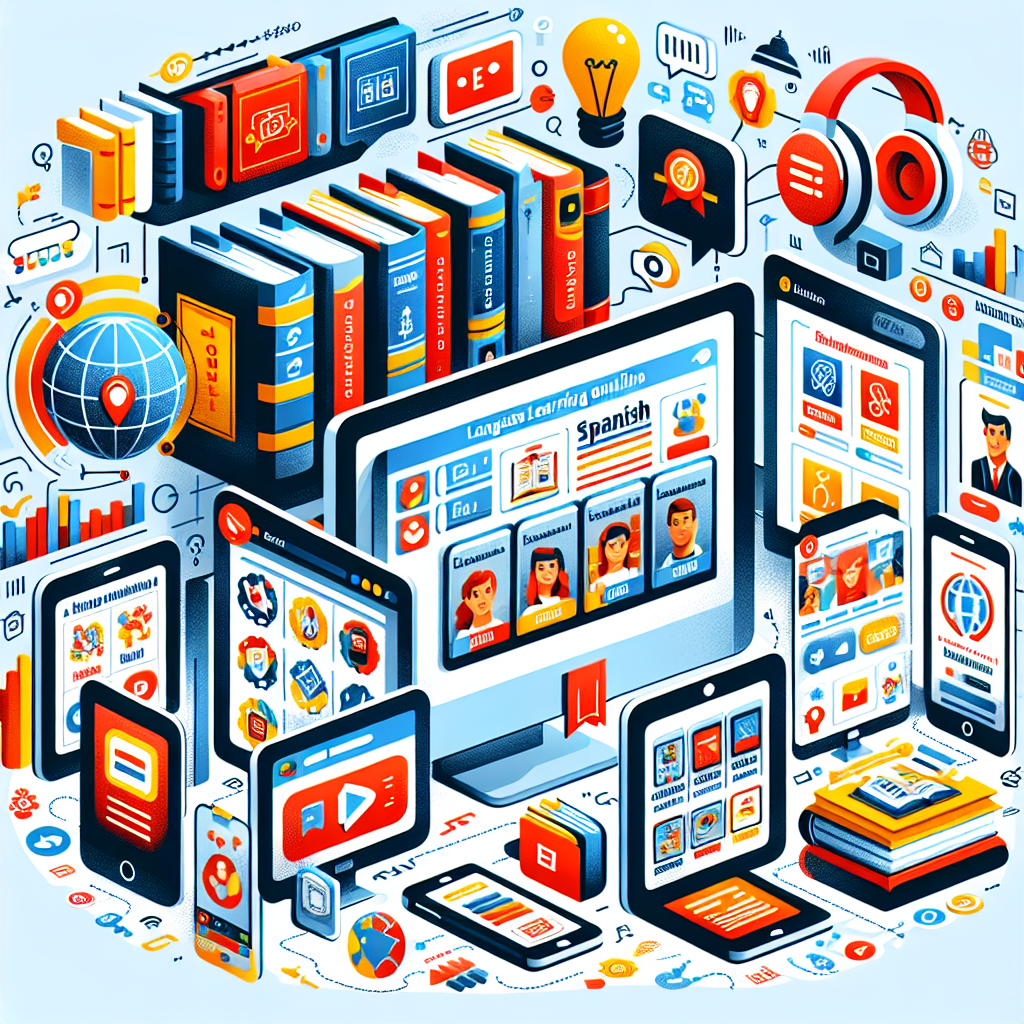
Learning Spanish can open doors to new experiences, cultures, and opportunities. With millions of speakers worldwide, Spanish is a valuable language to know, whether for travel, work, or personal growth. In today’s digital age, numerous resources can help you master Spanish from the comfort of your home. From books and apps to websites, the options are abundant and varied. This article will guide you through the ultimate list of Spanish learning resources online, helping you find the right tools to suit your learning style and goals.
Introduction
Spanish is one of the most widely spoken languages globally, and with the wealth of resources available online, it’s easier than ever to start learning. Whether you’re a beginner or looking to refine your skills, finding the right resources can significantly impact your learning journey. When choosing resources, consider your learning preferences such as reading, listening, or interaction. These preferences can help guide you toward specific types of resources, ensuring that your learning is engaging and effective.
This comprehensive guide will introduce a range of Spanish learning resources, including books, apps, and websites, that cater to diverse learning styles. You’ll discover everything from traditional textbooks to interactive apps and immersive online platforms. By the end of this article, you’ll have a better understanding of the available resources and how to leverage them to enhance your Spanish learning experience.
Books: The Foundations of Spanish Learning
Books remain one of the most valuable resources for learning a new language. They offer structured content and a comprehensive approach to building vocabulary, grammar, and comprehension skills. Here are some recommended books that provide a solid foundation in Spanish:
- “Madrigal’s Magic Key to Spanish” by Margarita Madrigal: This book is great for beginners. It introduces the basics of Spanish in an easy-to-understand format, with a focus on building fundamental speaking skills.
- “Practice Makes Perfect: Spanish Verb Tenses” by Dorothy Richmond: Verb tenses can be one of the trickiest aspects of learning Spanish. This book offers clear explanations and numerous practice exercises to help you master them.
- “501 Spanish Verbs” by Kendris and Kendris: A must-have reference guide for every Spanish learner. It gives detailed conjugations for the most common verbs, making it an invaluable tool for quickly looking up and practicing verb forms.
- “Short Stories in Spanish” by Olly Richards: Reading is a great way to improve comprehension, and this book offers engaging short stories suited for beginner to intermediate learners, each with vocabulary lists and comprehension questions.
By incorporating these books into your study routine, you create a structured pathway for learning Spanish that you can revisit at your own pace. They serve as an excellent supplement to other resources and can provide clarity on more complex language aspects.
Apps: Learning on the Go
In our fast-paced world, mobile apps have become a convenient and effective way to learn Spanish. They make it easy to practice language skills anywhere, anytime, turning your smartphone into a portable classroom. Here are some top-rated Spanish learning apps:
- Duolingo: Known for its gamified approach to language learning, Duolingo is interactive and user-friendly. It covers grammar, vocabulary, pronunciation, and offers personalized practice sessions.
- Babbel: Babbel’s structured courses are designed by language experts and focus on real-life conversations. With speech recognition technology, you can also practice your pronunciation effectively.
- Rosetta Stone: A veteran in language learning, Rosetta Stone emphasizes immersion, encouraging learners to deduce meanings through visual and auditory cues. Their mobile-friendly app complements their immersive approach.
- Memrise: Memrise combines language learning with real-life, fun content. It uses spaced repetition, ensuring vocabulary retention, and provides videos of native speakers.
These apps are designed to fit into your schedule, allowing for consistent practice. Their engaging formats ensure that you remain motivated and actively engaged in your Spanish learning every day.

Websites: Immersive and Interactive Learning
Websites offer comprehensive resources that cater to various aspects of language learning, from grammar and vocabulary to pronunciation and cultural nuances. Here is a selection of highly recommended websites for learning Spanish:
- FluentU: With a library of real-world videos—like music videos, movie trailers, and news—FluentU makes learning more contextual and relatable. Each video includes interactive subtitles and quizzes.
- BBC Languages – Spanish: A treasure trove of learning materials, this site offers numerous resources, including audio, video, and games, to help learners at different levels improve their Spanish skills.
- SpanishDict: A comprehensive online Spanish-English dictionary and translation platform, it includes flashcards, conjugation quizzes, and grammar lessons, ideal for quick references.
- LingQ: Known for its library of authentic Spanish content, LingQ provides an opportunity to improve reading and listening skills with real-world contexts and interactive features.
Websites can be incredibly dynamic tools that offer diverse content formats to suit different types of learners. They provide both structured lessons and opportunities for exploratory learning, making them versatile platforms for advancing your Spanish skills.
Podcasts and Audiobooks: Enhancing Listening Skills
Podcasts and audiobooks are excellent resources for developing listening comprehension and pronunciation skills. They allow you to immerse yourself in the language, enriching your learning experience through active listening. Here are some top choices:
- Coffee Break Spanish: This podcast offers lessons that are the perfect length for fitting into short breaks, covering a variety of topics from beginners to advanced levels.
- Notes in Spanish: With content aimed at intermediate to advanced learners, this podcast covers interesting real-life topics while emphasizing conversational skills.
- Audible: Explore an extensive library of Spanish audiobooks. Listening to stories in Spanish can enhance vocabulary and provide context for language usage.
- Pimsleur Language Programs: Known for its audio-based courses, Pimsleur helps learners become conversationally fluent through repetition and practical dialogue practice.
Incorporating these audio resources into your daily routine can enhance your ability to understand spoken Spanish, familiarize you with different accents and dialects, and improve your overall fluency.
Online Courses and Tutors: Structured Learning Pathways
For those looking for more personalized guidance, online courses and tutors provide structured lesson plans and one-on-one interaction. This approach offers a tailored learning experience, addressing specific needs and goals. Consider these platforms:
- Coursera and edX: Both offer a variety of Spanish courses across different skill levels, designed by top universities. They provide high-quality materials and structured learning paths.
- italki: Connecting learners with native Spanish-speaking tutors, italki allows for one-on-one lessons focused on conversation, grammar, and any other areas you wish to improve.
- Wyzant: A tutoring platform that connects you with professional educators for personalized Spanish lessons tailored to your learning pace and style.
- Udemy: Offers numerous Spanish courses. Whether you’re interested in specific topics like travel phrases or comprehensive beginners’ courses, Udemy has a wide selection of options.
Engaging in structured courses or personalized tutoring can provide accountability, guide your progress, and accelerate your language acquisition through expert feedback and tailored instruction.
Conclusion
Embarking on the journey to learn Spanish opens up a world of possibilities, and choosing the right resources can make this journey enjoyable and effective. With the array of books, apps, websites, podcasts, audiobooks, and online courses available, there’s something to suit every learning preference and style. Whether you’re just starting or seeking to refine your existing proficiency, the key is to stay consistent, immerse yourself in the language, and tailor your learning to your interests and goals.
Combining different types of resources can provide a more rounded learning experience. For example, use books and apps to build a vocabulary foundation, while podcasts and audiobooks improve your listening skills. Websites offer grammar and cultural insights, while online courses and tutors can provide personalized guidance.
The ultimate goal is to stay motivated and enjoy the process. As language learning is a gradual journey, celebrate each milestone and remain patient with your progress. With the right tools and mindset, you’ll find yourself improving in fluency, understanding, and confidence as you continue to explore and embrace the Spanish language and culture.


