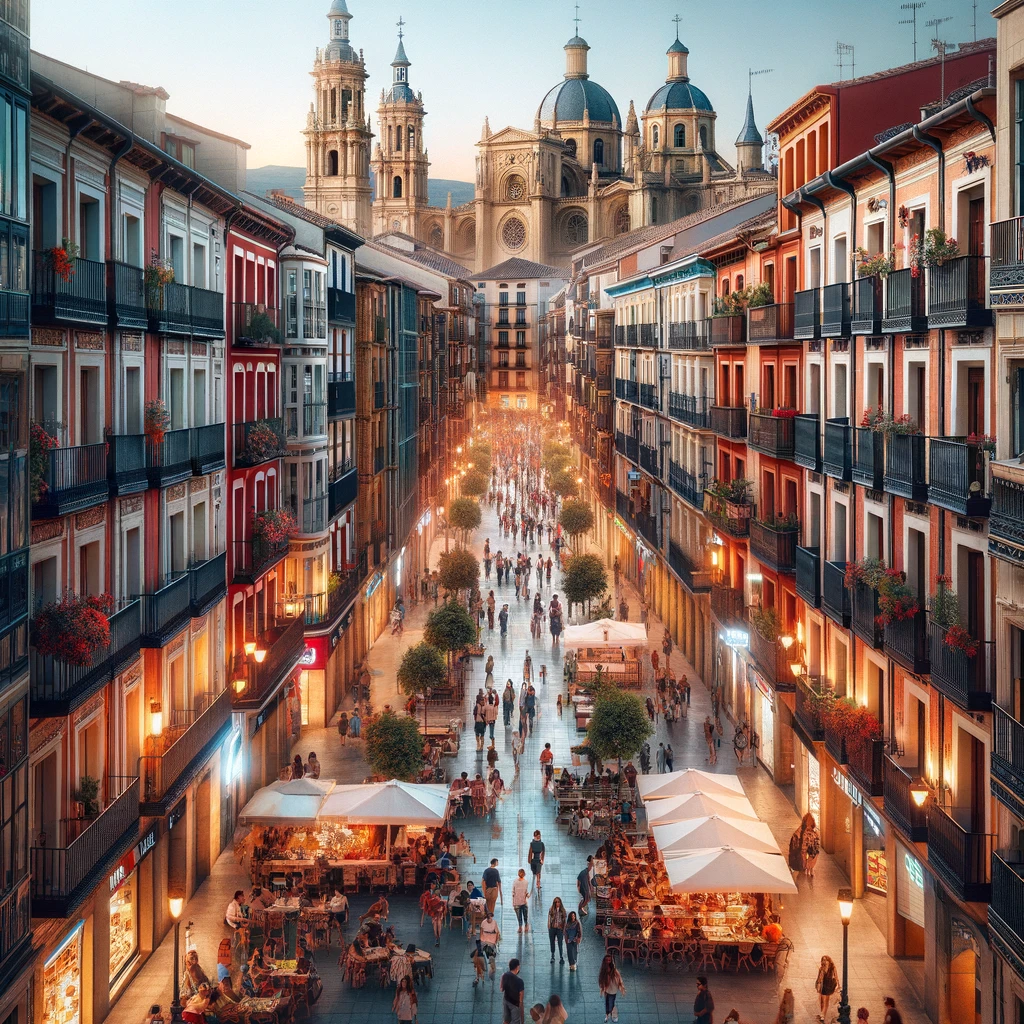
Traveling to Spanish-speaking cities is an exciting experience that allows you to immerse yourself in new cultures, environments, and languages. Whether you’re navigating the bustling streets of Madrid or exploring the colorful neighborhoods of Buenos Aires, knowing some urban vocabulary in Spanish can greatly enhance your travel experience. This article will guide you through essential words and phrases that will help you explore cities with ease and confidence.
Navigating the City: Transportation and Directions
When you first arrive in a city, you’ll likely need to find your way around. Let’s start with some basic vocabulary related to transportation and directions:
- Transporte público (Public transportation): In many cities, you’ll find a variety of public transportation options such as el autobús (bus), el metro (subway), el tranvía (tram), and el taxi (taxi).
- Estación (Station): This can refer to a bus station (estación de autobuses), train station (estación de trenes), or subway station (estación de metro).
- Parada (Stop): The place where you wait for the bus or tram.
- Boleto/Ticket (Ticket): You’ll need one for buses, trains, and subways. Ask for un boleto or una entrada.
When asking for directions, these phrases can be helpful:
- “¿Dónde está…?” (Where is…?)
- “¿Cómo llego a…?” (How do I get to…?)
- “Estoy perdido/a” (I am lost)
Remember, in Spanish-speaking countries, it’s common to give directions using landmarks instead of street names, so don’t be surprised if you hear something like “al lado del supermercado” (next to the supermarket) instead of specific street names.
Accommodation: Finding a Place to Stay
Once you’ve navigated your way through the city, you’ll need a place to stay. Here are some useful words for accommodation:
- Hotel: This is the same in both English and Spanish.
- Hostal (Hostel): A more affordable lodging option, often with shared rooms.
- Reservación (Reservation): It’s always a good idea to have a reservación.
- Recepción (Reception): Where you check-in and ask for information.
- Habitación (Room): You might need a habitación individual (single room) or a habitación doble (double room).
Dining Out: Food and Restaurants
Sampling local cuisine is a highlight of urban travel. Here’s how you can navigate dining out:
- Restaurante (Restaurant): Where you can enjoy a meal.
- Menú (Menu): Used to describe the list of available dishes.
- Cuenta (Bill/Check): When you’re finished, ask for “la cuenta, por favor” (the bill, please).
- Propina (Tip): In some countries, it’s customary to leave a tip.
Spanish cities offer a variety of culinary experiences, from tapas (small plates) in Spain to asados (barbecues) in Argentina. Don’t miss out on trying local delicacies!
Shopping: From Souvenirs to Essentials
Shopping in a new city can be an adventure in itself. Whether you’re looking for souvenirs or essentials, here are some words that might come in handy:
- Tienda (Shop/Store): You’ll find tiendas selling everything from clothes to souvenirs.
- Mercado (Market): A great place to find local products.
- Precio (Price): Always good to know, especially if you plan to haggle!
- Rebaja (Sale): Everyone loves a good sale.
- Tarjeta de crédito (Credit Card): Though it’s often better to have cash, especially in smaller shops.
Cultural Attractions: Museums and More
Exploring the cultural landscape of a city is a must. Here are some terms that will help you navigate cultural attractions:
- Museo (Museum): Whether it’s art, history, or science, museums are great places to learn.
- Galería de arte (Art gallery): Often features work by local artists.
- Teatro (Theater): For plays, musicals, or concerts.
- Exposición (Exhibition): Can refer to any kind of temporary display or show.
- Guía turístico (Tour guide): Can offer valuable insights into the history and significance of various sites. Don’t be shy to ask for a guía en español (guide in Spanish) as it can significantly improve your understanding and appreciation of the place.

Nightlife: Experiencing the City After Dark
Experiencing the nightlife is an essential aspect of city travel. Here are some key terms:
- Bar/Club: These words are used just like in English.
- Concierto (Concert): A live music performance, often a highlight in big cities.
- Espectáculo (Show): This could be a dance performance, a play, or any other form of entertainment.
- Entrada (Entry/Ticket): Needed for most nightclubs and shows.
Remember, in many Spanish-speaking cities, the nightlife starts and ends late, so take a siesta to prepare!
Emergency Situations: Staying Safe
While we hope your travels are smooth, it’s important to be prepared for emergencies:
- Policía (Police): For any safety concerns or to report a crime.
- Hospital/Clínica (Hospital/Clinic): In case of health emergencies.
- Farmacia (Pharmacy): For medication or health supplies.
- Ayuda (Help): Don’t hesitate to shout this if you’re in immediate danger.
Having travel insurance and keeping emergency numbers handy is always a good idea.
Common Phrases to Enhance Your Experience
Here are some phrases that can enrich your interactions in the city:
- “¿Me podría recomendar un buen restaurante?” (Could you recommend a good restaurant?)
- “¿Qué lugares turísticos debería visitar?” (What tourist places should I visit?)
- “Me encantaría aprender más sobre la cultura local.” (I would love to learn more about the local culture.)
These phrases show your interest in the local lifestyle and can often lead to memorable experiences and recommendations that you won’t find in a guidebook.
Concluding Thoughts
Exploring cities in Spanish-speaking countries can be an incredibly enriching experience. Not only do you get to see new sights, but you also have the opportunity to immerse yourself in a different language and culture. The vocabulary and phrases provided in this article are designed to be practical, easy to learn, and directly relevant to urban travel. With these tools at your disposal, you can navigate cities with greater ease and confidence, making your travel experience more enjoyable and fulfilling.
Remember, the key to successful communication is not just about knowing the words but also about engaging with the culture and people. Don’t be afraid to practice your Spanish, no matter your level of proficiency. Most locals appreciate the effort, and it often leads to more authentic interactions and experiences.
As you pack your bags for your next urban adventure in a Spanish-speaking city, keep this guide handy. It will not only serve as a practical resource but also as a bridge to new experiences, friendships, and a deeper understanding of the vibrant cultures that make up the Spanish-speaking world. Felices viajes (happy travels)!
FAQs on Exploring Cities: Urban Vocabulary in Spanish
1. What are some key phrases to know for using public transportation in Spanish-speaking cities?
A: When using public transportation, it’s helpful to know phrases like “¿Este autobús va a…?” (Does this bus go to…?), “¿Cuánto cuesta un boleto para el metro?” (How much is a ticket for the subway?), and “¿Dónde está la parada de autobús/metro?” (Where is the bus/subway stop?). These can help you navigate the transportation system more effectively.
2. How do I ask for directions in Spanish?
A: To ask for directions, you can use phrases like “Disculpe, ¿cómo llego a…?” (Excuse me, how do I get to…?), “¿Está lejos de aquí?” (Is it far from here?), and “¿Puede mostrarme en el mapa?” (Can you show me on the map?). Remember, don’t hesitate to ask locals; they’re often happy to help!
3. What are some essential words for dining out in Spanish cities?
A: Key vocabulary for dining out includes “mesa para dos” (table for two), “menú del día” (menu of the day), “plato principal” (main course), “postre” (dessert), and “agua sin gas” (still water). Knowing these can enhance your restaurant experience.
4. Are there specific Spanish terms I should know for shopping in urban areas?
A: Yes, useful terms include “talla” (size), “color” (color), “¿Cuánto cuesta?” (How much does it cost?), “¿Puede rebajar el precio?” (Can you lower the price?), and “¿Aceptan tarjetas?” (Do you accept cards?). These phrases can be very helpful, especially in markets and smaller shops.
5. What should I know when visiting cultural attractions in Spanish-speaking cities?
A: Useful phrases include “¿Cuál es el horario de apertura?” (What are the opening hours?), “¿Hay visitas guiadas en inglés?” (Are there guided tours in English?), “¿Dónde está la entrada?” (Where is the entrance?), and “¿Hay descuento para estudiantes?” (Is there a student discount?). These can help you fully enjoy museums, galleries, and other cultural sites.


