The realm of education is in a constant state of flux, perpetually evolving to incorporate the latest technological advancements. One such notable shift has been the integration of Virtual Reality (VR) into the educational sphere. VR, initially a fantastical concept confined to the realms of science fiction, has now permeated various sectors including language education. This immersive technology has proven particularly transformative for teaching Spanish, offering an innovative approach that transcends traditional classroom boundaries. As we plunge into the intricacies of VR in Spanish Language Education, we’ll explore its manifold benefits, practical applications, potential challenges, and future prospects.
Enhancing Immersion through VR in Spanish Learning
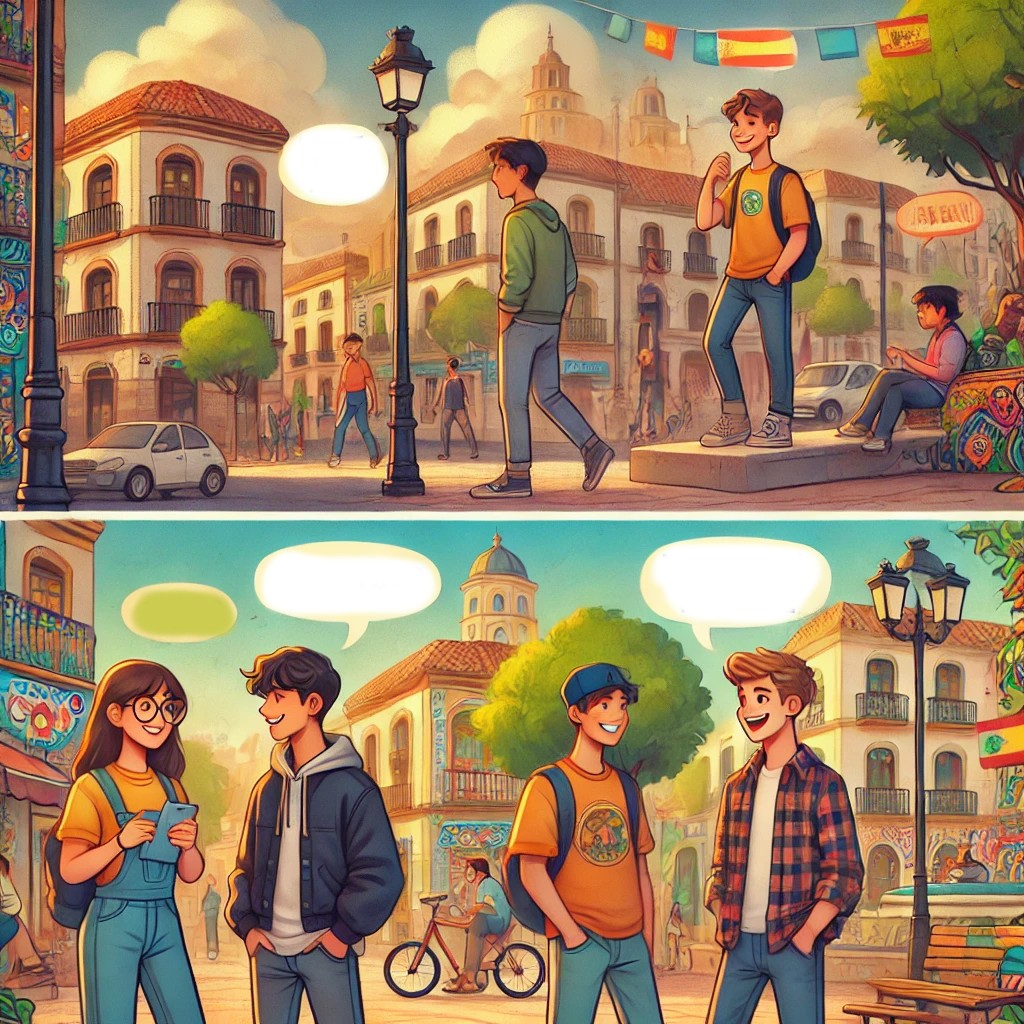
Immersion is widely recognized as a critical component in language acquisition. Traditional classroom settings often struggle to provide the optimal immersive environment necessary for effective language learning. Enter Virtual Reality—a game-changer in this context. With VR, students can be virtually transported to Spanish-speaking countries, enabling them to interact with native speakers and experience the cultural nuances firsthand. For instance, language learners can stroll through the bustling streets of Madrid, order tapas at a local café, or even participate in traditional Spanish fiestas—all from the confines of their classroom or home. This level of engagement not only makes learning more enjoyable but also accelerates language retention and proficiency.
Practical Applications: VR Tools and Platforms
The practical applications of VR in Spanish language education are as diverse as they are impactful. Several VR tools and platforms have emerged to cater specifically to language learners. One such platform is MondlyVR, which leverages speech recognition technology to enable interactive dialogues with virtual Spanish-speaking characters. Similarly, VirtualSpeech offers scenarios that help learners practice their conversational skills in realistic settings, such as business meetings or social gatherings. These platforms employ gamified learning techniques to make the process engaging and effective. Furthermore, Google Expeditions allows educators to take students on virtual field trips to Spanish-speaking regions, providing an immersive cultural experience alongside language learning.
Overcoming Challenges in VR Implementation
While the benefits of VR are evident, its implementation in Spanish language education does come with certain challenges. The foremost concern is the accessibility and cost of VR equipment, which can be prohibitive for some educational institutions. Additionally, there is a learning curve associated with the use of VR technology for both educators and students. This necessitates comprehensive training programs and technological support. Another potential issue is the risk of motion sickness, which can affect some users during extended VR sessions. However, as VR technology continues to advance and become more affordable, these challenges are likely to diminish, making it more feasible for widespread adoption.
Case Studies: Successful VR Adoption in Spanish Education
Several educational institutions have already adopted VR with remarkable success. For example, the University of California, Berkeley, incorporated VR into its Spanish language courses, resulting in significant improvements in student engagement and fluency. Similarly, the Instituto Cervantes, a globally recognized institution for promoting Spanish language and culture, has launched VR modules that offer interactive cultural experiences. Schools in Spain have also begun using VR to teach students not only the Spanish language but also foreign languages through immersive, contextual learning environments. These case studies underscore the tangible benefits and potential of VR in revolutionizing language education.
Teacher and Student Perspectives on VR Integration
The perspectives of teachers and students on the integration of VR in Spanish language education provide valuable insights. Many educators have expressed enthusiasm for the technology, highlighting its ability to enhance student engagement, provide immediate feedback, and create a dynamic learning environment. On the student side, the response has been overwhelmingly positive, with learners praising the immersive experience and the practical, real-world application of language skills. However, some educators have noted the need for ongoing professional development to effectively integrate VR into their teaching methods. Similarly, students have pointed out the importance of balancing traditional learning methods with VR to ensure a well-rounded educational experience.
The Future of VR in Spanish Language Education
The future of VR in Spanish language education looks incredibly promising. As technological advancements continue to unfold, we can expect even more sophisticated VR applications that offer enhanced interactive experiences and personalized learning paths. Artificial Intelligence (AI) is likely to play a pivotal role, providing real-time feedback and adapting to individual learning styles. Moreover, the continued development of affordable VR equipment will make this technology accessible to a broader range of educational institutions. Collaborations between tech companies and educational organizations will further drive innovation, creating comprehensive VR educational ecosystems that cater to diverse learning needs.
Conclusion
In conclusion, Virtual Reality is poised to make a profound impact on Spanish language education. By offering an immersive, engaging, and interactive learning experience, VR transcends the limitations of traditional teaching methods. It not only enhances language proficiency but also provides culturally rich experiences that deepen learners’ understanding of the Spanish-speaking world. Despite certain challenges related to cost, accessibility, and technical expertise, the ongoing advancements in VR technology promise to address these issues, paving the way for its widespread adoption. As we look to the future, the integration of VR in language education holds the potential to revolutionize the way we teach and learn languages, making it a cornerstone of modern educational practices.