In recent years, the Spanish language has experienced a noteworthy surge in popularity across Asia, a phenomenon that diverges from the region’s traditional affinity for languages like English, Mandarin, and Japanese. This growing interest in Spanish is driven by a broad spectrum of factors, spanning economic, cultural, and educational dimensions. As we venture into 2024, it becomes increasingly important to analyze and understand the underlying drivers that fuel this trend, assess the impact it has on the individuals and institutions involved, and forecast its future trajectory. This article aims to provide a detailed and up-to-date exploration of the rising prevalence of Spanish in Asia, encapsulating everything from its newfound prominence in educational curricula to its influence on business and cultural exchanges.
The allure of the Spanish language in Asia can be traced back to multiple sources. For one, the global presence of Spanish-speaking countries in sectors such as entertainment, sports, and politics has significantly piqued interest. Latin American cultures, with their rich heritage, vibrant festivals, and globally celebrated music, have played a role in captivating Asian audiences. Furthermore, Spanish telenovelas and movies often find a dedicated following in Asian countries, facilitated by dubbing and subtitling. Similarly, the increasing number of Hispanic stars and influencers has helped endear the Spanish language to younger demographics.
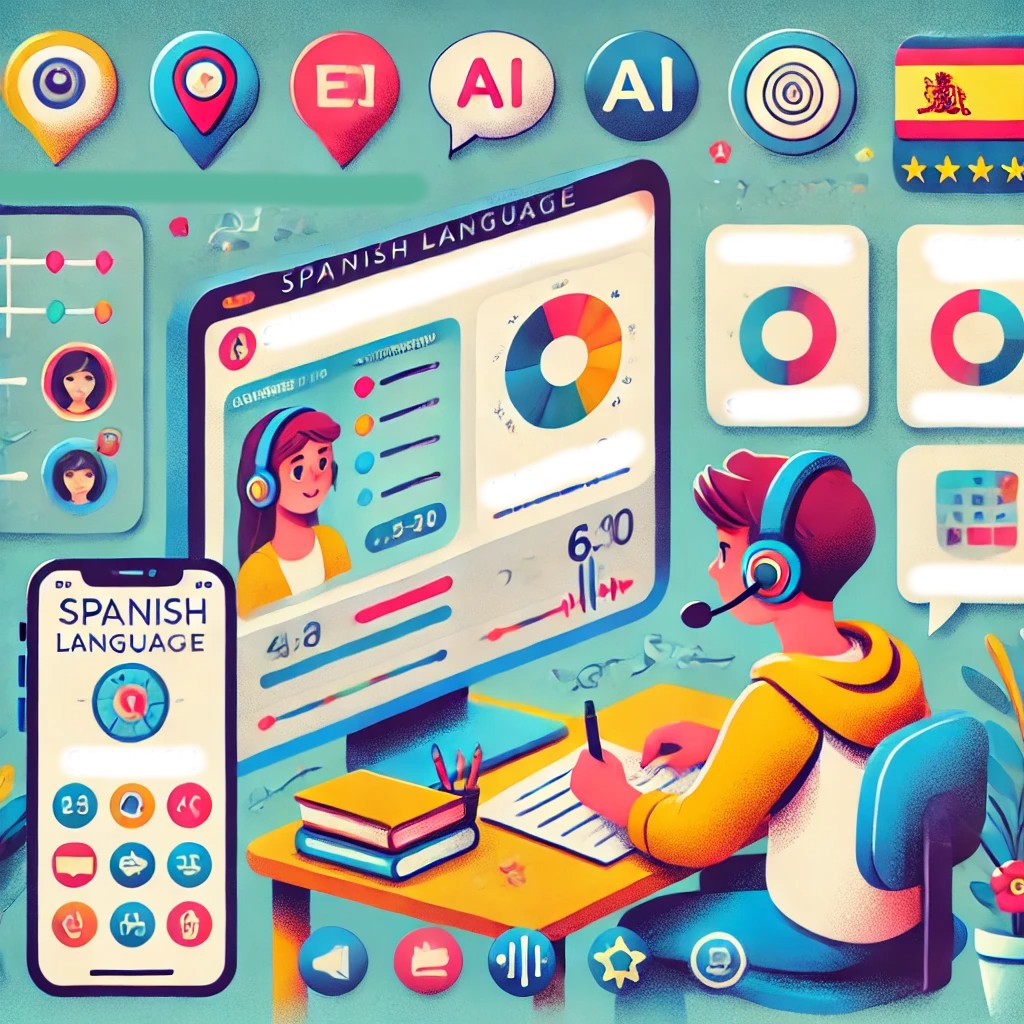
Educational institutions across Asia have started to recognize the benefits of including Spanish in their language offerings. Schools, colleges, and universities now provide Spanish courses, encouraging students to expand their linguistic capabilities and prepare for a globalized job market. In addition, the rise of online learning platforms has made Spanish courses more accessible, allowing individuals of all ages to learn at their own pace and convenience.
In the business realm, Spanish offers strategic advantages, especially given the growing trade relationships between Asia and Spanish-speaking countries. Mastery of the language can act as a bridge, facilitating smoother transactions and fostering deeper connections. Moreover, businesses aiming to tap into multinational markets often regard bilingualism as a key asset, which has further incentivized both employers and employees to embrace Spanish.
Spanish in Educational Institutions
The inclusion of Spanish in educational curriculums across Asia has seen a steady rise, driven by the language’s growing global importance and tangible career benefits. Governments and private educational institutions are increasingly investing in Spanish language programs. For instance, in countries like the Philippines, Japan, and South Korea, Spanish is being offered not only as an elective but is also becoming a part of standard language education in many schools.
Universities are also at the forefront of this shift. Many institutions have established dedicated Spanish language departments or introduced specialized courses and degrees focused on Hispanic studies. These programs explore not only the Spanish language but also the rich cultural tapestry of Spanish-speaking nations, providing students with a comprehensive educational experience. Some prominent universities have even collaborated with Spanish and Latin American institutions to facilitate student exchange programs, offering immersive experiences that broaden students’ global perspectives.
Online education has played a pivotal role as well. Platforms like Duolingo, Babbel, and Coursera have made high-quality Spanish courses accessible to anyone with an internet connection. These platforms often employ interactive and gamified approaches to learning, making language acquisition a more engaging and enjoyable process. The COVID-19 pandemic highlighted the flexibility of online learning, which has since become a mainstay in education, enabling more Asian students to embark on Spanish language learning journeys.
The inclusion of Spanish in educational curricula is not merely an academic exercise but a strategic move to equip students with skills that are increasingly valuable in today’s interconnected world. With Spanish being the second most spoken language globally, proficiency in it can open doors to numerous opportunities in various fields, including international business, tourism, diplomacy, and translation services.
Economic and Business Implications
The burgeoning interest in Spanish within the Asian business landscape is another significant factor driving its popularity. As economic ties between Asia and Spanish-speaking regions intensify, mastering Spanish becomes a valuable asset. Several industries are witnessing a tangible benefit from incorporating Spanish-speaking personnel, fostering smoother communication and more efficient operations.
In international trade, Spanish proficiency can streamline negotiations and enhance understanding between Asian companies and their Latin American counterparts. Given the diverse economic activities spanning these regions—from raw material exports to technological imports—fluent communication is essential. Companies that invest in Spanish language training for their employees often report better business outcomes and stronger partnerships.
Moreover, the hospitality and tourism sectors are reaping benefits. Asia, with its plethora of tourist destinations, attracts a significant number of visitors from Spanish-speaking countries. Hotels, tour operators, and other service providers that can cater to Spanish-speaking tourists enjoy a competitive edge. This has led to a surge in demand for Spanish-speaking guides, customer service representatives, and tourism professionals.
The corporate world’s recognition of the value of Spanish is underscored by various initiatives. Some multinational corporations have integrated Spanish into their professional development programs, offering language courses to employees. This strategic move not only enhances employee skill sets but also primes companies for better performance in global markets. As Asian economies continue to grow and influence global trade dynamics, the role of Spanish in business communication is poised to expand even further.

Cultural Exchange and Media Influence
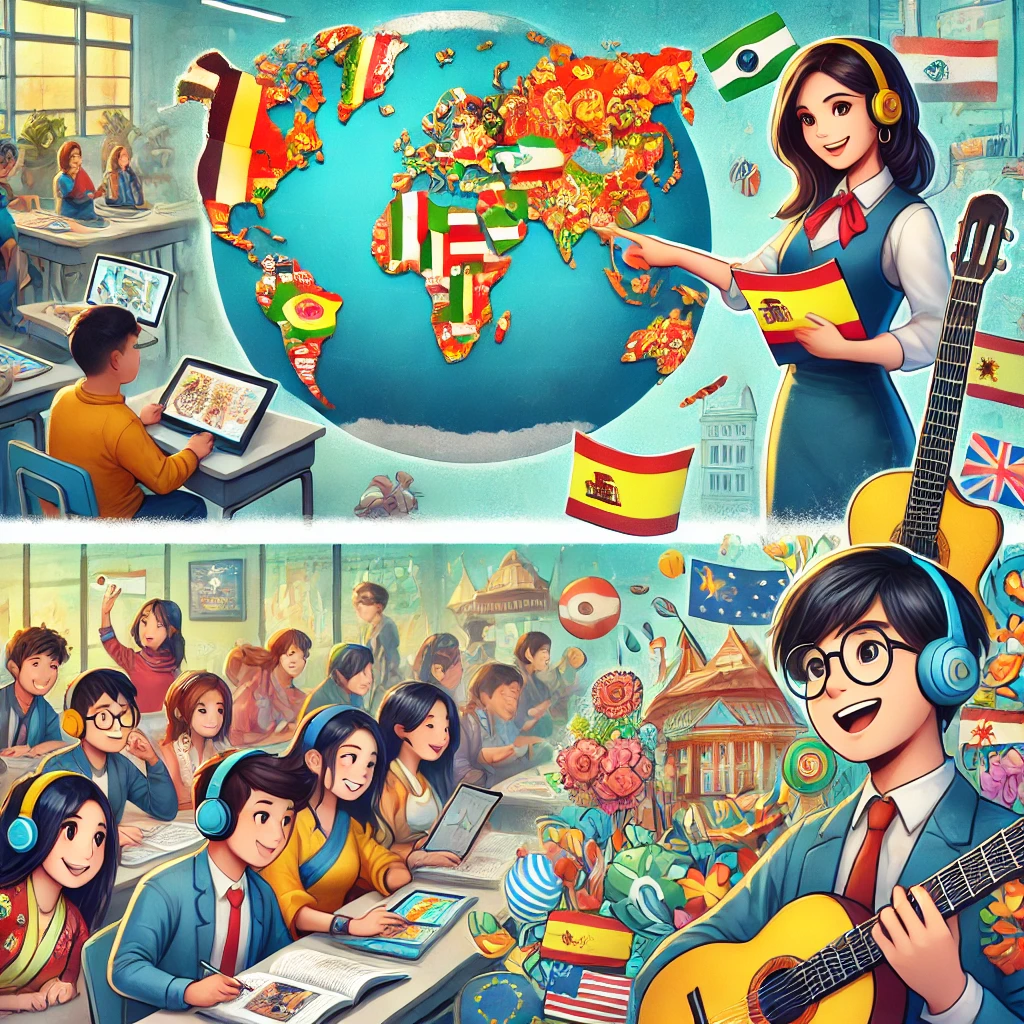
The infiltration of Spanish language and culture into Asia is further evident in the realms of media, arts, and entertainment. Spanish and Latin American movies, telenovelas, music, and dance forms have steadily captivated Asian audiences, fostering a deeper appreciation and curiosity for the Spanish language.
Spanish-language content is often dubbed or subtitled, allowing it to reach a broader audience. Popular streaming platforms such as Netflix and Amazon Prime feature a vast array of Spanish series and films, making them accessible to Asian viewers. Shows like “La Casa de Papel” (Money Heist) and “Elite” have garnered substantial followings here, further fueling interest in learning Spanish to better understand the original content.
In music, Latin genres such as reggaeton, salsa, and tango have made significant inroads into the Asian music scene. Artists like Shakira, J Balvin, and Rosalia have amassed large fanbases, with their songs frequently topping international charts. Dance studios offering salsa and tango classes have also popped up in many Asian cities, providing a cultural bridge that encourages language learning.
Additionally, cultural festivals and events focusing on Spanish-speaking nations are becoming common. These events often include language workshops, cooking classes, film screenings, and dance performances, providing immersive experiences that stimulate interest in the Spanish language. Such cultural exchanges not only celebrate diversity but also underscore the interconnectedness of our global community.
Technological Tools and Language Learning Apps
Technology has undeniably revolutionized the way languages are learned, and Spanish is no exception. With the rise of smartphones and tablets, language learning apps have become widely popular, providing convenient and effective means to master Spanish.
Apps like Duolingo, which employs a game-like structure to teach vocabulary and grammar, have millions of users across Asia. These platforms utilize algorithms to personalize learning experiences, track progress, and offer real-time feedback. For users with busy schedules, apps provide the flexibility to learn at their own pace, making language acquisition more feasible amidst demanding lifestyles.
AI-powered language learning tools are also gaining traction. These incorporate sophisticated technologies such as natural language processing and conversational AI to simulate real-life interactions. Virtual tutors and chatbots enable learners to practice speaking and listening skills, which are crucial components of language proficiency.
Furthermore, social media platforms and online communities offer additional avenues for practice. Groups and forums dedicated to Spanish learners allow individuals to connect, share resources, and practice conversational skills. This peer support system can be highly motivating and provides a real-world context to language use.
The availability of digital dictionaries, translation tools, and language exchange platforms further enriches the learning experience. These resources provide instant access to linguistic assistance, enabling users to navigate Spanish learning with greater ease and confidence. As technological advancements continue to shape the educational landscape, the tools and resources available for learning Spanish are likely to become even more sophisticated and user-friendly.
Future Prospects of Spanish in Asia
The future of Spanish in Asia looks promising, as current trends suggest continued growth and deeper integration into various facets of Asian society. Several indicators point toward sustained interest and expansion of Spanish language education and use.
Educationally, more schools and universities are expected to incorporate Spanish into their curriculums. With the increasing recognition of multilingualism’s advantages, educational systems are likely to continue promoting language diversity. Scholarships and exchange programs that support studying in Spanish-speaking countries may also see an uptick, further encouraging students to embrace the language.
In the business world, the demand for Spanish-speaking professionals is predicted to rise. As Asia’s economic influence grows, so does its interaction with global markets, many of which include Spanish-speaking countries. Fluency in Spanish will thus become an even more valuable asset in international business, trade negotiations, and diplomatic relations.
Technological innovation will play a critical role in facilitating this growth. Emerging technologies such as virtual reality (VR) and augmented reality (AR) could revolutionize language learning by providing immersive, interactive experiences. Likewise, advances in AI and machine learning will continue to enhance personalized learning tools and resources, making Spanish more accessible to learners across Asia.
Moreover, cultural exchanges are likely to intensify. Increased collaboration in arts, media, and tourism between Asia and Spanish-speaking nations will further cement the popularity of Spanish. Cultural diplomacy and international cooperation initiatives, focusing on language and cultural education, can foster mutual understanding and appreciation.
In conclusion, the rising interest in Spanish across Asia is a multifaceted phenomenon driven by educational, economic, cultural, and technological factors. As we move further into 2024, the trend shows no signs of slowing down. Stakeholders in education, business, and culture are recognizing the value of Spanish, paving the way for a more linguistically diverse and interconnected world. This growing adoption of Spanish not only reflects Asia’s global engagement but also highlights the universal appeal of language as a tool for communication, understanding, and connection.