Spanish, as a language, is rich and varied, with over 400 million native speakers spread across the globe. One of its most fascinating features is the proliferation of slang and colloquialisms that give each region a unique linguistic signature. In Latin America, this diversity is especially pronounced. From Argentina’s “lunfardo” to Mexico’s vibrant street slang, each country injects a flavor of its own into the language. Understanding these regional varieties not only enriches your knowledge of Spanish but also provides a deeper insight into the cultures and daily lives of people across Latin America. That’s what we aim to explore in this comprehensive article: a journey through the colorful and dynamic world of Latin American Spanish slang.
Slang in Mexico
When people think of Mexican slang, words like “chingón”, “neta”, and “güey” often come to mind. “Chingón” roughly translates to “awesome” or “cool”, while “neta” means the “truth” or “seriously”. A word frequently used among friends, “güey” translates loosely to “dude” or “man”. Each of these expressions plays multiple roles in conversations, adding emotional intensity and local flavor to everyday interactions. Mexican slang often has roots in indigenous languages such as Nahuatl, which can be seen in words like “chamaco” (kid) derived from “chamacuhtli”. Additionally, Mexican pop culture, particularly telenovelas and street music, significantly influences the evolution of slang, weaving new words into the social fabric over time.
Argentinian Lunfardo
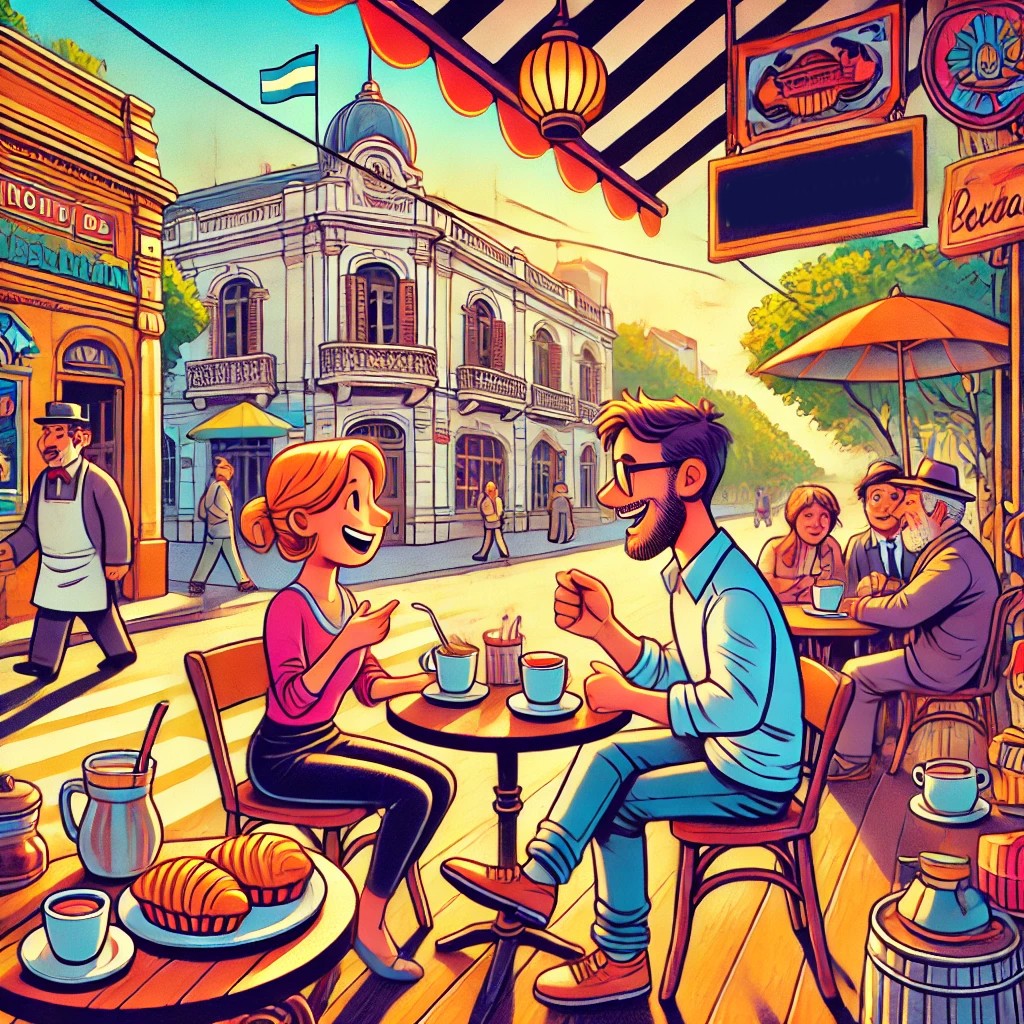
In Argentina, and more specifically in Buenos Aires, “lunfardo” reigns supreme as the local vernacular. Originating in the late 19th century among criminals and working-class communities, lunfardo has since permeated mainstream Argentinian culture. Expressions like “laburo” (work), “mina” (girl), and “chabón” (guy) are common. A unique aspect of lunfardo is its reverse-sounding expressions, known as “vesre”. For example, “gomia” means “amigo” (friend) and “jermu” refers to “mujer” (woman). These peculiar formations not only demonstrate linguistic creativity but also serve as a badge of regional identity. Tango music also played a significant role in popularizing lunfardo, making many of its terms timeless.
Colombian Parlache
Moving to the northern part of South America, Colombian slang, particularly “parlache”, reflects the country’s socio-economic diversity and ethnic mosaic. Originating from Medellín, parlache is commonly used among younger generations. Words like “parcero” or “parce” (friend), “bacano” (cool), and “paila” (bad situation) are staples. The colloquial speech here often includes a playful use of diminutives and suffixes to express affection or informality, such as “momentico” instead of “momento”. Additionally, regional terms like “guaro” (alcohol, especially aguardiente) are widely recognized, showing the blend of indigenous, African, and Spanish influences in modern Colombian culture.
Chilean Modismos
Chile offers another rich variety of slang, often referred to as “modismos”. Words like “weón” (idiot or dude, depending on the context), “pololo” (boyfriend), and “cachai” (you know?) are seen across the spoken landscape. Chilenismos are often quick, fluid, and highly informal, reflecting the fast-paced lifestyle of urban Chileans. Unlike other countries where slang may be limited to younger generations or specific groups, Chilenismos can be found across all social strata and age groups. This indicates a collective national identity strongly tied to these linguistic nuances. Influences from Mapudungun, the language of the indigenous Mapuche people, can also be seen in words like “mote” (cooked wheat) and “chompa” (shirt).
Venezuelan Jerga
In Venezuela, the local jargon, or “jerga”, offers an incredibly colorful blend of words and phrases. Terms like “chévere” (cool), “chamo” (boy) and “pana” (friend) are commonly used. The Venezuelan voice has been significantly influenced by indigenous languages and Caribbean culture, providing a distinct rhythm and musicality to its slang. For instance, “arepa” not only denotes the country’s famous cornmeal cake but also serves as slang for something basic or essential. “Pana”, which means buddy, originates from “hermana” (sister), showing a linguistic twist that adds depth to everyday conversations. Venezuelan jerga also often utilizes diminutives and suffixes to turn phrases into more endearing or funny versions, like “bonchita” (from “bonche” meaning party, making it a small or cute party).
Puerto Rican Spanglish
Puerto Rico stands out with its significant use of Spanglish – a blend of Spanish and English. Everyday conversation often flaunts a mix of both languages, reflecting the island’s unique political and cultural status. Words like “janguear” (to hang out), “broki” (brother or close friend), and “parkear” (to park) epitomize this linguistic fusion. This phenomenon isn’t merely about lexicon; it mirrors the islanders’ bicultural identity. Additionally, Puerto Rican Spanish incorporates African influences brought by the Afro-Caribbean community, enhancing its musicality and rhythm. Words of Taíno origin like “hamaca” (hammock) also survive in everyday vernacular, further enriching this variety of Spanish slang.
Conclusion
From Mexico to Argentina, and from Colombia to Puerto Rico, Spanish slang across Latin America offers a fascinating landscape of linguistic diversity. These regional varieties are not just a collection of words or phrases; they embody the cultural identities, historical backgrounds, and social dynamics of their speakers. Understanding these slang terms and colloquialisms goes beyond merely enriching your vocabulary; it provides a more profound connection to the people, their stories, and their lives. The next time you find yourself in a Spanish-speaking country, listen closely and try to pick up on the nuances of the local slang. Engage in conversations, ask for the meanings behind the words, and you’ll discover a whole new dimension to your Spanish-learning journey.