
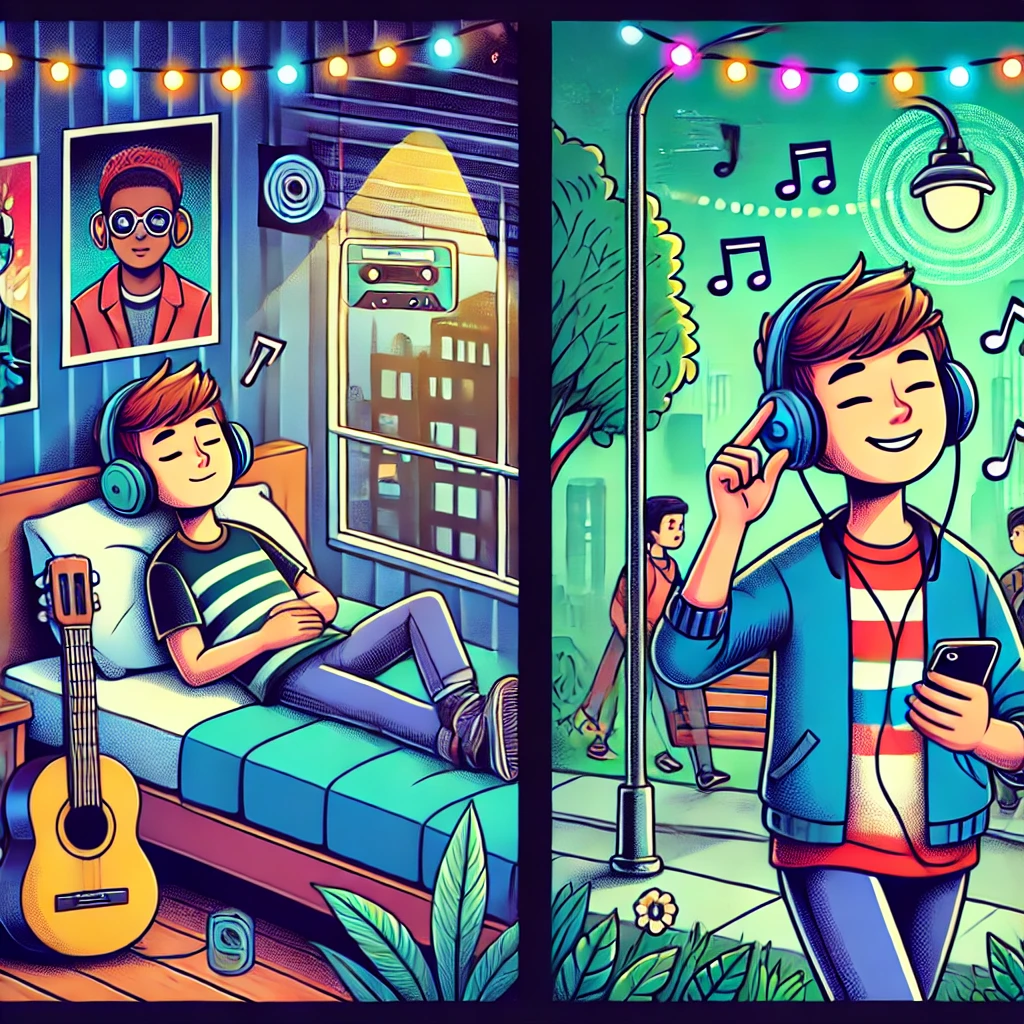
Spanish slang, colloquialisms, and idiomatic expressions color the language with richness and vibrancy that encapsulates cultural nuances, humor, and diversity. Nowhere is this more evident than in contemporary music, where artists weave these unique linguistic threads into their lyrics. This article aims to explore Spanish slang in contemporary music, highlighting its significance, tracking its evolution, and examining how it bridges cultural gaps and communicates universal themes in innovative ways.
Introduction
Music has always been a powerful vehicle for culture and language dissemination. The symbiotic relationship between language and music allows artists to communicate emotion, social commentary, and cultural pride succinctly and potently. Contemporary Spanish music, including genres like reggaeton, trap, and Latin pop, frequently employs slang and colloquialisms to convey authenticity, connect with audiences, and reflect societal changes.
Whether you are a fluent Spanish speaker, a learner seeking to understand the intricacies of the language, or simply a music enthusiast, deciphering the slang in contemporary Spanish music can offer valuable insights. It can provide a deeper understanding of the artists’ cultural backgrounds, messaging, and the socio-political environment from which their music emerges. This article will guide you through some common slang terms, their origins, and their contextual usage in popular songs.
The Influence of Urban Culture
Urban culture, particularly in Latin American cities, has significantly influenced contemporary Spanish music. The vibrancy of city life, with its unique challenges and triumphs, is often reflected in music through colloquial language. Words like “perreo” (grinding dance associated with reggaeton), “chama” (girl, used informally in Venezuela), and “jaleo” (ruckus or commotion) are just a few examples of how urban slang permeates contemporary lyrics.
The urban music scene, particularly reggaeton, has roots in the barrios (neighborhoods) of Puerto Rico, Panama, and other Latin American regions. Artists from these areas often use local slang to stay true to their origins and maintain a sense of authenticity. This linguistic authenticity not only resonates with local listeners but also introduces global audiences to regional dialects and slang, fostering cultural appreciation and understanding.
Evolution of Slang in Music
The evolution of slang in music is closely tied to social and cultural shifts. As societies evolve, so does their language. Slang words that were popular a decade ago may no longer be in use, while new terms constantly emerge. For example, in the early days of reggaeton, terms like “gata” (girl, in a flirtatious sense) and “corillo” (crew or group of friends) were prevalent. Modern reggaeton and trap music now incorporate terms like “bellaquear” (flirt or seduce) and “combia” (adopted from the word ‘combinar,’ meaning to blend or mix).
Social media and globalization have accelerated the dissemination and adoption of slang. Artists collaborate across borders, blending linguistic elements from different Spanish-speaking regions. This cross-pollination enriches the language but also presents challenges in understanding slang that may be specific to certain areas. As a listener, staying abreast of these changes can enhance your appreciation and comprehension of contemporary Spanish music.
Popular Slang Terms in Contemporary Lyrics
To get a better grasp of Spanish slang in contemporary music, let’s delve into some commonly used terms and phrases. Understanding these can help you decode the lyrics and appreciate the artistry behind them.
- Crujir: Literally means to crunch or crack, but in slang, it can refer to a commendable performance in sports or as an emphasis on someone’s impressive action.
- Tusa: Popularized by Karol G in her song “Tusa,” this term means heartbreak or sorrow, often related to romantic relationships.
- Dale: Used by Pitbull and many others, this term is multifaceted. It can mean go ahead, give it your all, or simply agree.
- Fino: Translating directly to fine or elegant, in slang, it is also used to describe something high-quality or exceptionally good.
- Trapichear: To hustle or deal, often used in the context of overcoming adversity or making money through unconventional means.
Contextual Usage and Cultural Significance
The beauty of slang lies not just in the words themselves but in their contextual usage. For instance, in J Balvin’s song “Ambiente,” the term “parcero” (buddy or friend) is frequently used, reflecting the camaraderie within the social circles of Medellín, Colombia. Similarly, Bad Bunny’s use of “bicha” (girl or woman, often with attitude) in his hit “Safaera” sheds light on Puerto Rican street culture.
The cultural significance of these terms extends beyond their literal meaning. They offer a glimpse into the daily lives, struggles, and jubilations of the communities they represent. By understanding the context in which these terms are used, listeners can gain a deeper appreciation of the music and the messages it conveys.
Impact on Language Learners
For language learners, grasping slang and colloquialisms can be a challenging yet rewarding endeavor. It moves beyond the grammatical and formal aspects of a language, diving into real-world usage and cultural intimacy. Engaging with contemporary Spanish music provides a lively and enjoyable medium for learning slang.
To enhance your learning experience, consider the following strategies:
- Translate and annotate lyrics: Start by translating the lyrics of your favorite songs. Annotate any slang or colloquialisms, researching their meanings and usage.
- Practice with native speakers: Engage in conversations with native Spanish speakers, focusing on using and understanding slang in context.
- Use language learning apps: Apps like DuoLingo or Memrise have sections dedicated to slang and colloquialisms.
- Listen actively: Pay attention to how artists use slang in their music. Contextual clues can often help you infer meanings.
Conclusion
Deciphering Spanish slang in contemporary music is an enriching journey that offers more than just linguistic insights. It opens doors to understanding cultural identities, regional dialects, and the socio-political landscape of Spanish-speaking communities. From reggaeton to Latin trap, the use of slang in music reflects a vibrant and evolving linguistic tapestry.
By immersing yourself in the world of contemporary Spanish music, you not only enhance your language skills but also become a part of a global community that celebrates diversity and cultural expression. Whether you are deciphering the lyrics of a reggaeton hit or delving into the depth of Latin trap, remember that each slang term and colloquial expression carries a piece of history, culture, and personal narrative.
So, turn up the volume, listen to the beats, and let the words transport you to different corners of the Spanish-speaking world. Through music, we connect, learn, and grow, making the journey of language learning all the more melodious and fulfilling.


