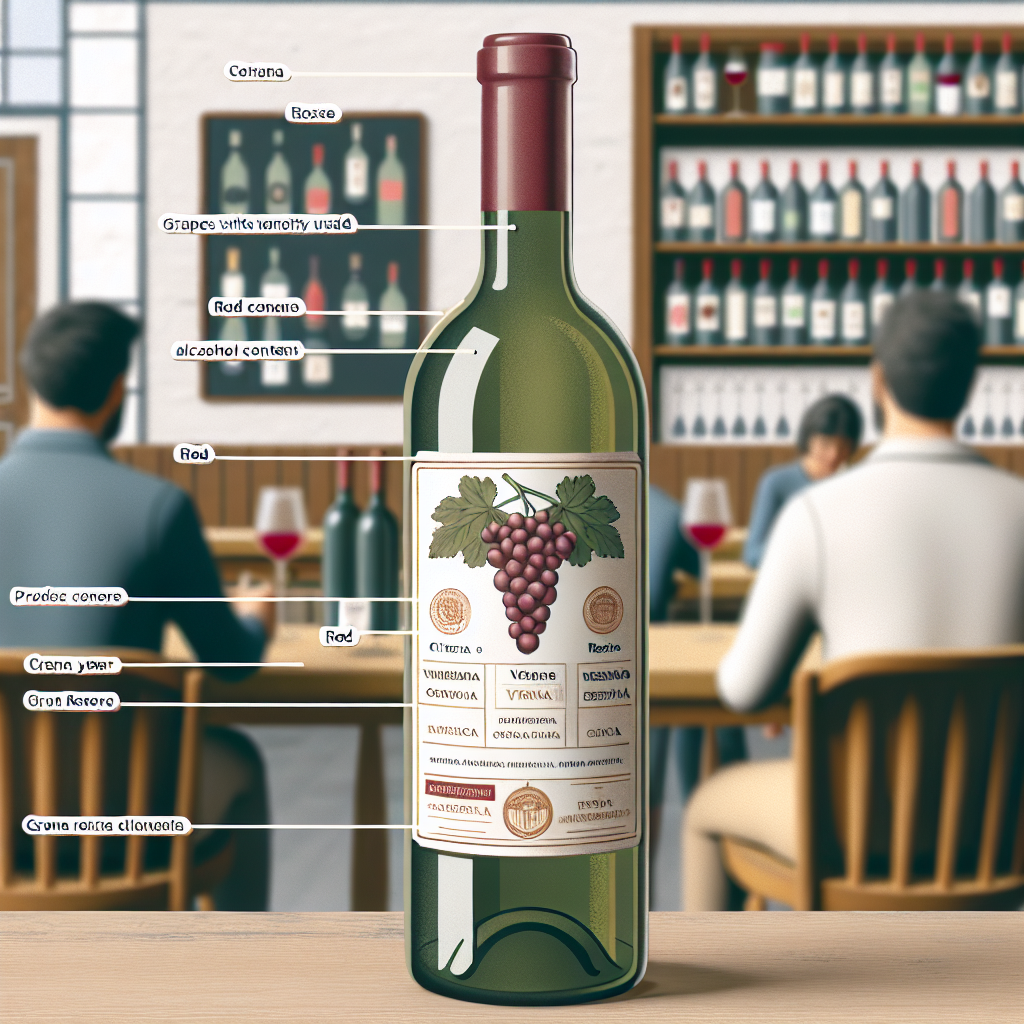
Whether you’re a seasoned wine connoisseur or a newcomer eager to expand your palate, navigating the world of Spanish wines can be an exhilarating journey. Spain, with its vast and varied regions, has a rich tradition of winemaking that dates back thousands of years, offering a diverse array of flavors and textures. However, to fully appreciate Spanish wines, it is crucial to understand the vocabulary often found on their labels. Knowing these key terms will not only enhance your wine-tasting experience but also provide you with insights into the wine’s origin, character, and how it might pair with your next meal.
Spanish wine labels can appear daunting, especially to non-Spanish speakers, because of the use of specific terminology that describes various aspects such as the grape variety, region, classification, and aging process. Unlike wines from regions where English predominates, Spanish wines embrace their native language in descriptions, which can remain elusive without some basic understanding. This guide aims to demystify these terms, offering a comprehensive understanding of what they mean and why they matter. Our goal is to ensure that when you pick up a bottle of Spanish wine, you can read its label with confidence and anticipation.
The Importance of Origin and Region
One of the most prominent features on a Spanish wine label is the region of origin. Spain is divided into several wine-producing regions, each contributing its unique characteristics to the wines produced there. Important regions include Rioja, Ribera del Duero, Priorat, and Rías Baixas, each known for specific grape varieties and wine styles. When a label mentions ‘Denominación de Origen’ (DO) or ‘Denominación de Origen Calificada’ (DOCa), it signifies that the wine originates from a region with officially recognized quality standards. Regions play a critical role in defining the wine’s flavor profiles, reflecting the unique terroir – a term encompassing climate, soil type, and topography – that affects how grapes are grown.
For instance, wines from Rioja, one of the most famous DOs in Spain, are typically based on the Tempranillo grape and are renowned for their aging potential and robust flavors. Meanwhile, wines from Rías Baixas, often made from the Albariño grape, are noted for their crispness and minerality. Familiarity with these regions can guide wine enthusiasts in choosing a wine that matches their taste preferences, whether it be rich and oaky or fresh and fruity. Understanding the link between region and flavor can also aid in food pairings, maximizing the enjoyment of both wine and cuisine.
Grape Varieties and Their Significance
Grape varieties, or ‘variedades de uva’, are fundamental to understanding what influences a wine’s flavor and aroma. Spanish wines often highlight the grape variety on the label, providing insight into what you can expect when you taste the wine. The country boasts a broad spectrum of indigenous and internationally famous grape varieties, each bringing its own characteristics to the wine. Among the most noteworthy are Tempranillo, Garnacha, Albariño, and Monastrell.
Tempranillo, for instance, is Spain’s answer to Cabernet Sauvignon, providing structure and depth, often featuring notes of plum, leather, and tobacco when aged. Garnacha, known for its fruit-forward profile with red berry flavors, is used either in blends or on its own to create both robust reds and flavorful rosés. On the white wine spectrum, Albariño offers refreshing citrus and floral notes, making it a perfect companion to seafood. An appreciation of different grape varieties can deepen your understanding of Spanish wine, allowing you to predict flavors and aromas before taking a sip.
Classification and Aging Terms: Crianza, Reserva, Gran Reserva
Another significant aspect on Spanish wine labels is the classification based on aging, which informs the consumer about the wine’s production factors, including time spent in barrels and bottles. The terms ‘Crianza’, ‘Reserva’, and ‘Gran Reserva’ are used to describe red wines and their journey from vineyard to consumer.
‘Crianza’ designates wines aged for at least two years, with a minimum of six months in oak barrels. These wines tend to have a balance of fresh fruit flavors and subtle oakiness. ‘Reserva’ wines are aged for a minimum of three years, with at least one year in oak, often exhibiting more complexity and oak-derived flavors. ‘Gran Reserva’ wines, indicative of top-tier quality, undergo at least five years of aging with a minimum duration of two years in oak. These wines often display deep, evolved flavors and aromas, ideal for special occasions. Understanding these aging terms allows wine enthusiasts to set expectations and select wines that align with their desired taste profiles.
Additional Label Information: Bodega and Alcohol Content
In addition to classification and grape variety, Spanish wine labels typically feature the name of the winery, or ‘bodega’. The bodega’s reputation and history can give hints about the wine’s quality and style. Established bodegas, especially those with a history of excellence, often carry an expectation of high-quality wine production.
Labels also display the wine’s alcohol content. In Spain, this is represented as a percentage by volume. While alcohol percentage does not directly correlate with quality, it can impact the wine’s body and taste. Wines with higher alcohol content tend to feel fuller and are sometimes described as having more ‘weight’ on the palate. The alcohol percentage, along with other information on the label, provides a fuller picture of what the wine experience might entail.
The Legal Aspects of Spanish Wine Labels
Spanish wine labels are not just informative but are also regulated by Spanish and European Union wine laws, designed to protect consumers and uphold winemaking standards. The information on the label must adhere to regulations that require accuracy regarding the origin, composition, and production methods of the wine. For example, if a wine is labeled as ‘organic’ (‘ecológico’), the production methods must follow stringent guidelines concerning pesticide and fertilizer use.
Legally required symbols and seals, such as the official DO or DOCa logos, affirm the wine’s compliance with regional regulations, ensuring consumers receive a product that represents authentic regional traditions. This regulatory framework helps maintain the integrity of Spanish wines, reassures consumers about the authenticity of their purchase, and fosters trust in Spanish wine products globally.
Conclusion
Understanding Spanish wine labels involves more than just recognizing a name or a brand; it delves into a deeper appreciation for the culture, tradition, and art that influence Spanish winemaking. From regional identifiers to grape varieties and aging classifications, each element on a Spanish wine label provides a piece of the story that characterizes the wine. By learning this vocabulary, enthusiasts not only enhance their appreciation of Spanish wines but also gain confidence in selecting wines that suit their palates and occasions.
Whether you’re exploring a new bottle in a local wine shop or planning a visit to a Spanish vineyard, this knowledge equips you to navigate the rich world of Spanish wines more adeptly. So, next time you encounter a Spanish wine label, take a moment to savor not just the wine but the heritage and complexity captured within each term. Engage with the wine as a conversation between the land, the vine, and the visionary artistry of Spanish winemakers.


