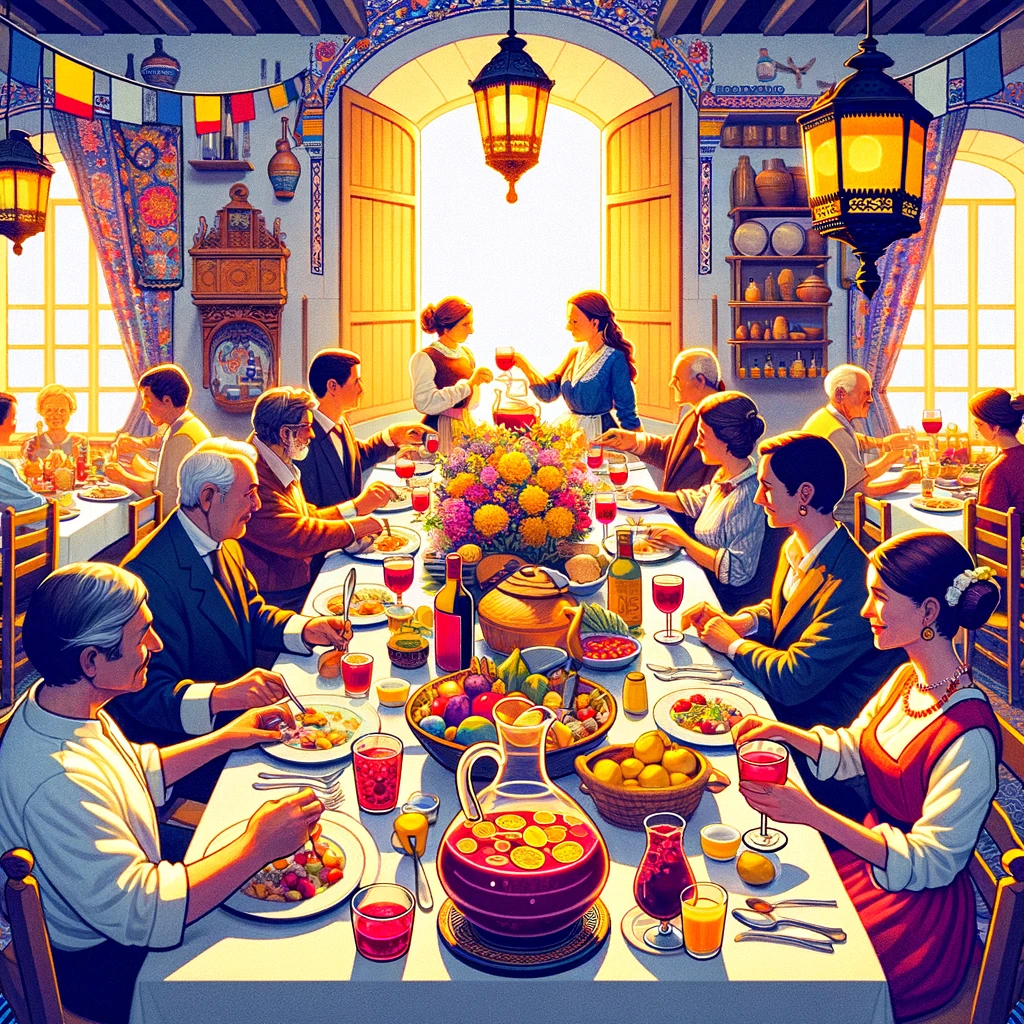
Spain, a country known for its rich culture, vibrant traditions, and delectable cuisine, holds a unique approach to meal times that often perplexes visitors. The Spanish dining schedule is characterized by late dinners and extended lunches, deeply rooted in historical, geographical, and social factors. This article delves into the intricacies of Spanish meal times, offering insights into the cultural norms and etiquette that define dining in Spain.
The Historical Context
The Siesta Influence
The concept of ‘siesta,’ a traditional afternoon rest or nap, plays a pivotal role in shaping Spanish meal times. Historically, the siesta was a practical response to the scorching midday heat, particularly in rural areas. Workers would retreat indoors during the hottest part of the day, resuming their activities when the temperatures cooled down. This practice necessitated a substantial midday meal, followed by a rest period, pushing dinner times to later in the evening.
Economic Shifts and Modern Adaptations
In recent decades, Spain’s rapid urbanization and integration into the European Union have led to a gradual shift in work schedules. Despite this, the traditional late dining hours have persisted, now more due to social customs than agricultural or climatic necessities.
Understanding Spanish Meal Times
El Desayuno (Breakfast)
Spanish breakfast, known as ‘el desayuno,’ is typically light and occurs early in the morning. It often consists of small, simple fare such as coffee or hot chocolate, accompanied by pastries, toast, or a small sandwich. This meal is not the focal point of the day, serving more as a quick start before heading to work or school.
La Almuerzo (Mid-Morning Snack)
Between breakfast and lunch, many Spaniards enjoy ‘el almuerzo,’ a mid-morning snack. This may include a cup of coffee and a small bite, often enjoyed in a social setting, such as a café or bar.
La Comida (Lunch)
‘Lunch,’ known as ‘la comida,’ is the main meal of the day in Spain, typically starting between 2:00 PM and 4:00 PM. This meal can last for a couple of hours and is a leisurely affair, often consisting of multiple courses. It’s a time for families and friends to gather and enjoy each other’s company, with dishes ranging from regional specialties to simple home-cooked meals.
La Merienda (Afternoon Snack)
In the late afternoon, Spaniards often have ‘la merienda,’ a small snack to tide them over until dinner. This could be something as simple as a piece of fruit, a pastry, or a sandwich.
La Cena (Dinner)
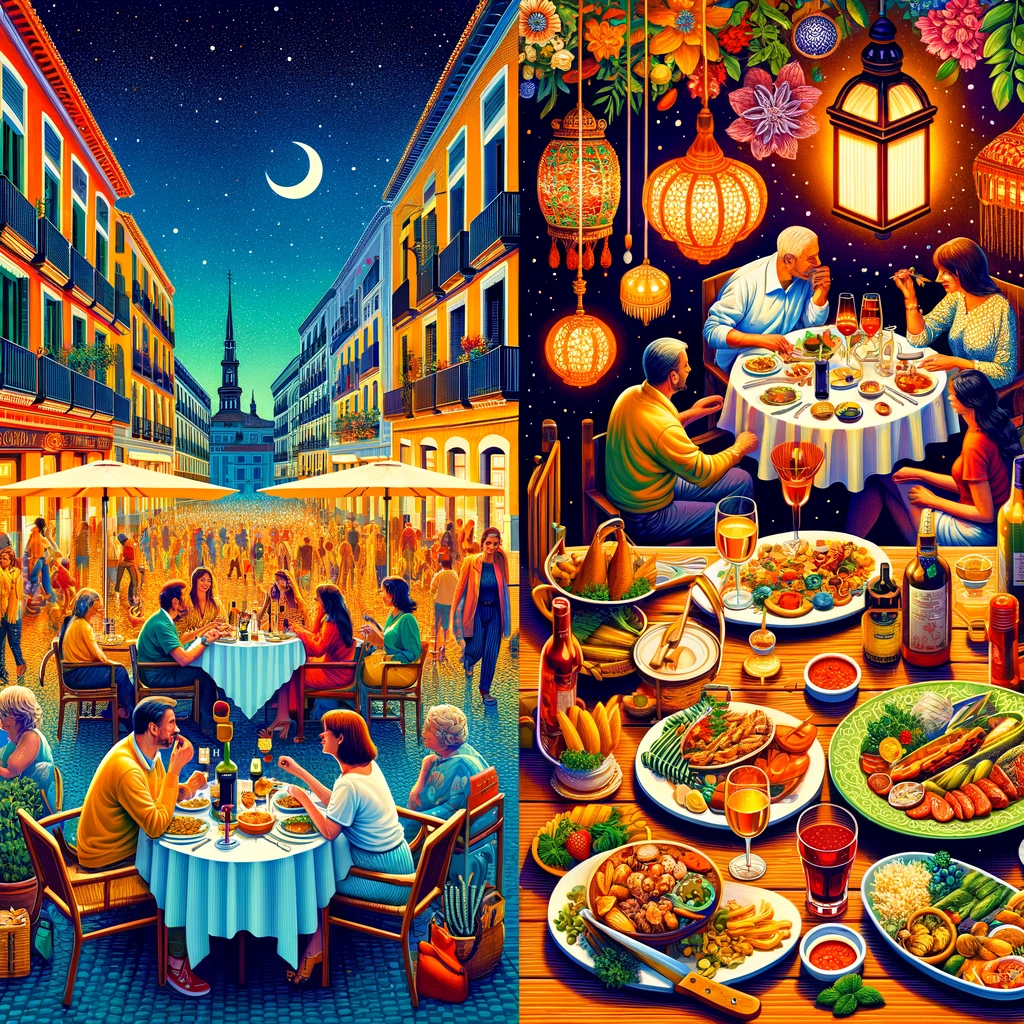
Dinner, or ‘la cena,’ in Spain starts much later than in many other cultures, typically around 9:00 PM to 11:00 PM. Unlike lunch, dinner is usually lighter and might consist of tapas, salads, soups, or grilled meats and fish. This meal is also a social event, often enjoyed with family or during a night out with friends.
Cultural Norms and Etiquette
Emphasis on Socialization
Meal times in Spain are as much about socializing as they are about eating. It’s common for meals, especially lunch and dinner, to extend for several hours with lively conversation.
Tapas Culture
The famous ‘tapas’ culture embodies the Spanish approach to dining. Tapas are small dishes or appetizers served in bars and restaurants, often accompanied by a drink. The idea is to enjoy food in a relaxed, communal setting, hopping from one establishment to another.
Dining Out
When dining out in Spain, it’s important to be aware of the local meal times. Many restaurants won’t open for dinner until at least 8:00 PM. It’s also common to share dishes, especially when enjoying tapas.
Tipping Etiquette
Tipping in Spain is not as obligatory as in some other countries. It’s customary to leave a small tip (around 5-10%) for good service at restaurants, but it’s not expected for every meal, especially in casual dining settings.
Regional Variations
Spain’s diverse regions also bring variations in meal times and dining customs. For example, in the northern regions, dinner might be served slightly earlier than in the south. Similarly, regional cuisines influence the types of meals served.
Understanding meal times in Spain offers a window into the country’s culture and lifestyle. The late dinners and extended lunches are not just about food; they represent a philosophy of life that values leisure, family, and social connections. For visitors to Spain, adapting to these meal times can be an enriching cultural experience, providing a deeper appreciation of the Spanish way of life.
The Evolution of Spanish Dining
The Tapas Revolution
Originally, tapas were small snacks served with drinks, often to cover the glass and keep flies out. This humble beginning has evolved into a gastronomic culture in its own right. Today, tapas range from simple olives or a slice of tortilla española to sophisticated culinary creations. The social aspect of tapas, where groups move from bar to bar, sampling different dishes, reflects the Spanish emphasis on community and enjoyment of life.
Seasonal and Regional Influences
Spanish cuisine is heavily influenced by the seasons and the diverse landscapes of the country. Coastal regions like Galicia and the Basque Country offer an array of seafood dishes, while the interior regions, such as Castilla y León, are known for hearty meats and stews. This regional diversity extends to meal times and practices, where local customs and ingredients shape the dining experience.
Modern Lifestyles and Changing Habits
The Impact of Globalization
As Spain continues to integrate into the global economy, traditional meal times are gradually shifting, particularly in larger cities and among the younger generation. The demands of modern work schedules and the influence of international dining habits are leading to earlier dinners, especially in urban areas.
The Balance Between Tradition and Modernity
Despite these changes, there is a strong cultural resistance to abandoning traditional meal times entirely. Many Spaniards still value their leisurely lunches and late dinners as a vital part of their cultural identity and a resistance to the fast-paced lifestyle that characterizes much of the modern world.
Dining Etiquette and Tips for Visitors
Navigating Meal Times as a Tourist
For visitors, adapting to Spanish meal times can be a challenge. It’s advisable to embrace the local schedule to fully experience the culture. Eating a larger lunch and planning activities during the typical siesta time can help adjust to the late dinner hours.
Restaurant Etiquette
In restaurants, it’s common to be served bread and often a small appetizer (aperitivo) before the meal. It’s polite to wait until everyone at the table has been served before starting to eat. During meals, Spaniards enjoy conversation and rarely rush the dining experience.
Festivals and Food
Culinary Celebrations
Spain’s numerous festivals often feature unique culinary traditions. For example, during La Tomatina, participants enjoy a variety of tomato-based dishes, while the San Sebastián Film Festival is known for its elaborate pintxos (similar to tapas, but typically skewered).
Seasonal Festivities
Seasonal festivities also influence meal times and menus. Christmas, for instance, is marked by elaborate family dinners that start late and last well into the night, featuring special dishes like turrones (nougat) and mariscos (seafood).
The Future of Spanish Dining
As Spain continues to navigate the balance between preserving tradition and adapting to modernity, its meal times and culinary practices will undoubtedly evolve. However, the core elements of socialization, leisure, and enjoyment of food are likely to remain central to the Spanish dining experience.
Meal times in Spain offer a fascinating glimpse into the country’s soul, where food is a medium for social interaction, a celebration of regional diversity, and a reflection of historical roots. Whether indulging in a leisurely lunch, enjoying tapas on a balmy evening, or experiencing the culinary delights of a local festival, dining in Spain is an experience that transcends mere sustenance and becomes a joyful celebration of life itself.

Regional Cuisines Across Spain
A Tapestry of Flavors
Spain’s culinary diversity is as rich as its cultural heritage. Each region boasts its unique flavors, ingredients, and dishes, deeply influenced by history, geography, and climate.
- Andalusia: Known for its gazpacho, a cold tomato soup perfect for hot summers, and tapas culture that originated in Seville.
- Catalonia: Famous for its seafood dishes and unique sauces like romesco, Catalonia blends fresh ingredients with bold flavors.
- Basque Country: Renowned for its pintxos and world-class gastronomy, this region offers a blend of traditional and avant-garde cuisine.
- Galicia: Celebrated for its seafood, particularly octopus (pulpo a la gallega), and hearty stews.
Fusion and Innovation in Spanish Gastronomy
Embracing New Trends
Spanish chefs are not just guardians of traditional recipes; they are also innovators and trendsetters. The rise of fusion cuisine has seen traditional Spanish dishes blended with flavors and techniques from around the world, creating a dynamic and evolving food scene.
Culinary Icons
Chefs like Ferran Adrià and José Andrés have placed Spanish cuisine on the global map, introducing the world to molecular gastronomy and reinventing traditional dishes with modern techniques and exotic influences.
Health and Dietary Trends
Mediterranean Diet
Spain’s traditional diet is rooted in the Mediterranean lifestyle, renowned for its health benefits. Rich in vegetables, fruits, fish, and olive oil, this diet is not only nutritious but also integral to Spanish culinary identity.
Contemporary Shifts
Recent trends toward vegetarianism, veganism, and gluten-free diets have seen Spanish cuisine adapting to these dietary needs. Restaurants increasingly offer plant-based and health-conscious options, reflecting a growing awareness of dietary diversity and sustainability.
The Social Aspect of Spanish Dining
More Than Just Eating
In Spain, dining is a communal, almost ritualistic activity. It’s an opportunity to relax, converse, and enjoy life. This social aspect is evident in how Spaniards prioritize meals, often making them the focal point of social gatherings and family time.
Festive Atmosphere
Spanish meals are rarely quiet affairs. Whether it’s a family lunch or dinner with friends, the atmosphere is typically lively, with conversation flowing as freely as the wine.
The Future of Spanish Meal Times
Balancing Act
As Spain grapples with the demands of a modern economy and the preservation of its cultural heritage, its meal times and culinary practices will continue to evolve. The challenge will be to maintain the essence of its dining culture while adapting to contemporary lifestyles.
Technological Influence
The rise of food delivery apps and online grocery shopping is changing how Spaniards dine, especially in urban areas. These technologies offer convenience but also pose a challenge to traditional dining patterns.
Spanish meal times and their associated customs offer a rich tapestry of history, culture, and gastronomy. From the leisurely lunches to the late-night dinners, every meal is an opportunity to celebrate the joy of good food and good company. As Spain continues to evolve, so too will its culinary traditions, adapting to new influences while preserving the essence of what makes dining in Spain so unique and delightful.
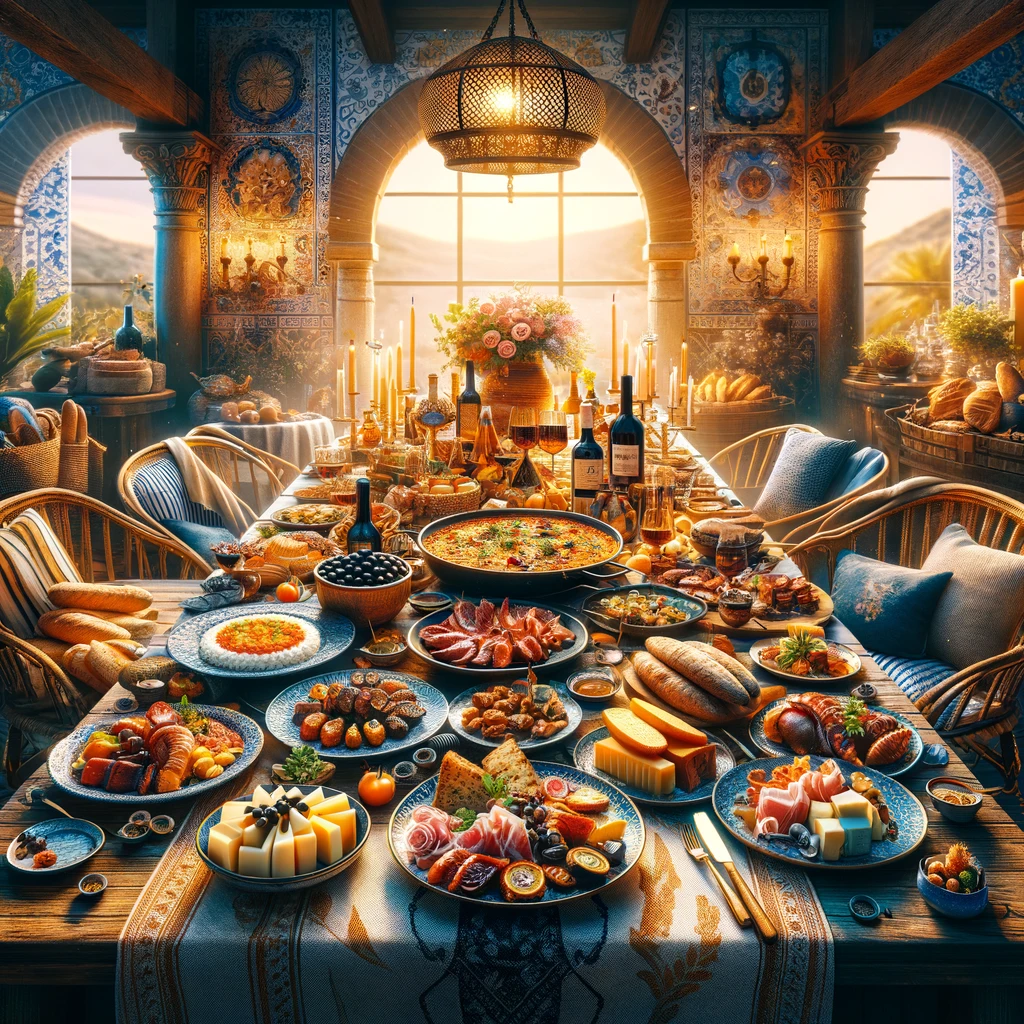
Preserving Spanish Culinary Traditions
Culinary Education and Schools
Spain’s commitment to preserving its culinary heritage is evident in its numerous cooking schools and culinary institutes. These institutions not only teach traditional cooking methods but also incorporate modern techniques and global influences. They play a crucial role in training the next generation of chefs who will carry forward and evolve Spanish gastronomy.
Family and Home Cooking
The heart of Spanish culinary tradition lies in home cooking. Recipes passed down through generations are a treasured aspect of Spanish family life. In many households, cooking and eating together is a way to keep cultural traditions alive and strengthen family bonds.
The Role of Food in Spanish Art and Literature
A Rich Tapestry
Spanish literature and art have long celebrated the country’s culinary heritage. From the depictions of bountiful feasts in the paintings of Diego Velázquez to the references to regional dishes in the works of Miguel de Cervantes, food has been a central theme reflecting the social and cultural fabric of Spain.
Contemporary Representations
Modern Spanish artists and writers continue to explore the relationship between food and culture, using it as a metaphor for social change, regional identity, and historical continuity.
Spanish Gastronomy on the Global Stage
World-renowned Cuisine
Spanish cuisine has gained international acclaim, with several Spanish restaurants regularly featured among the world’s best. The innovative spirit of Spanish chefs, combined with a deep respect for traditional flavors, has placed Spain at the forefront of the global culinary scene.
Gastronomic Tourism
Spain has become a destination for gastronomic tourism, attracting food enthusiasts from around the world. Culinary tours, wine tastings, and cooking classes offer visitors an immersive experience of Spanish food culture.
The Future of Spanish Dining
Embracing Sustainability
One of the emerging trends in Spanish cuisine is the focus on sustainability and ethical eating. This includes using locally sourced ingredients, reducing food waste, and promoting organic and biodynamic farming practices.
Technological Innovations
Technology is also influencing Spanish dining, from the use of modern cooking techniques to the role of social media in promoting food culture. Chefs are utilizing these tools to reinvent traditional dishes and reach a wider audience.
Conclusion
The exploration of meal times in Spain reveals a deep-seated tradition that goes beyond mere eating. It’s a celebration of life, a testament to the country’s rich history, and a symbol of its dynamic present. As Spain continues to navigate the balance between tradition and modernity, its culinary landscape remains a vibrant and integral part of its cultural identity. Whether through the hands of a grandmother preparing a family meal, a chef experimenting with new flavors, or a festival celebrating local produce, Spanish dining is a constantly evolving tapestry, rich in flavors, stories, and connections.
As we conclude our comprehensive journey into the world of Spanish meal times, we recognize that this vibrant culinary culture is not just about the food on the plate, but about the stories, people, and traditions that come together around the table. It’s a culture that celebrates the past, embraces the present, and eagerly anticipates the future of gastronomy. Whether you’re a visitor to Spain or a lifelong resident, the Spanish approach to meals is something that can inspire and delight anyone with a love for good food and good company.