Spain, with its rich cultural tapestry and diverse culinary traditions, offers a unique dining experience that is both a feast for the palate and a lesson in etiquette. Understanding Spanish table manners is not just about avoiding faux pas; it’s about embracing a culture that values food, conversation, and togetherness. This guide will walk beginners through the essential aspects of Spanish dining etiquette, providing insights into the cultural norms that shape these practices.
The Importance of Mealtime in Spanish Culture
In Spain, meals are more than just eating; they are a time for family and friends to come together and enjoy each other’s company. This communal aspect is deeply ingrained in Spanish culture, making mealtime a daily celebration of life and relationships.
Breakfast (El Desayuno)
- Time: Typically light and enjoyed between 7:00 and 9:00 am.
- Etiquette: Casual and quick, often just coffee and a small pastry.
Lunch (La Comida)
- Time: The main meal of the day, usually between 2:00 and 4:00 pm.
- Etiquette: A leisurely affair that can last a couple of hours. It’s common to have multiple courses, and it’s a time for relaxed conversation and enjoyment.
Dinner (La Cena)
- Time: Served late, often not before 9:00 pm.
- Etiquette: Lighter than lunch but still a social event. It’s common to have dinner with friends or family and spend time chatting into the night.
Setting the Stage: Table Setting and Seating
Spanish table settings can vary depending on the formality of the meal, but some common elements remain.
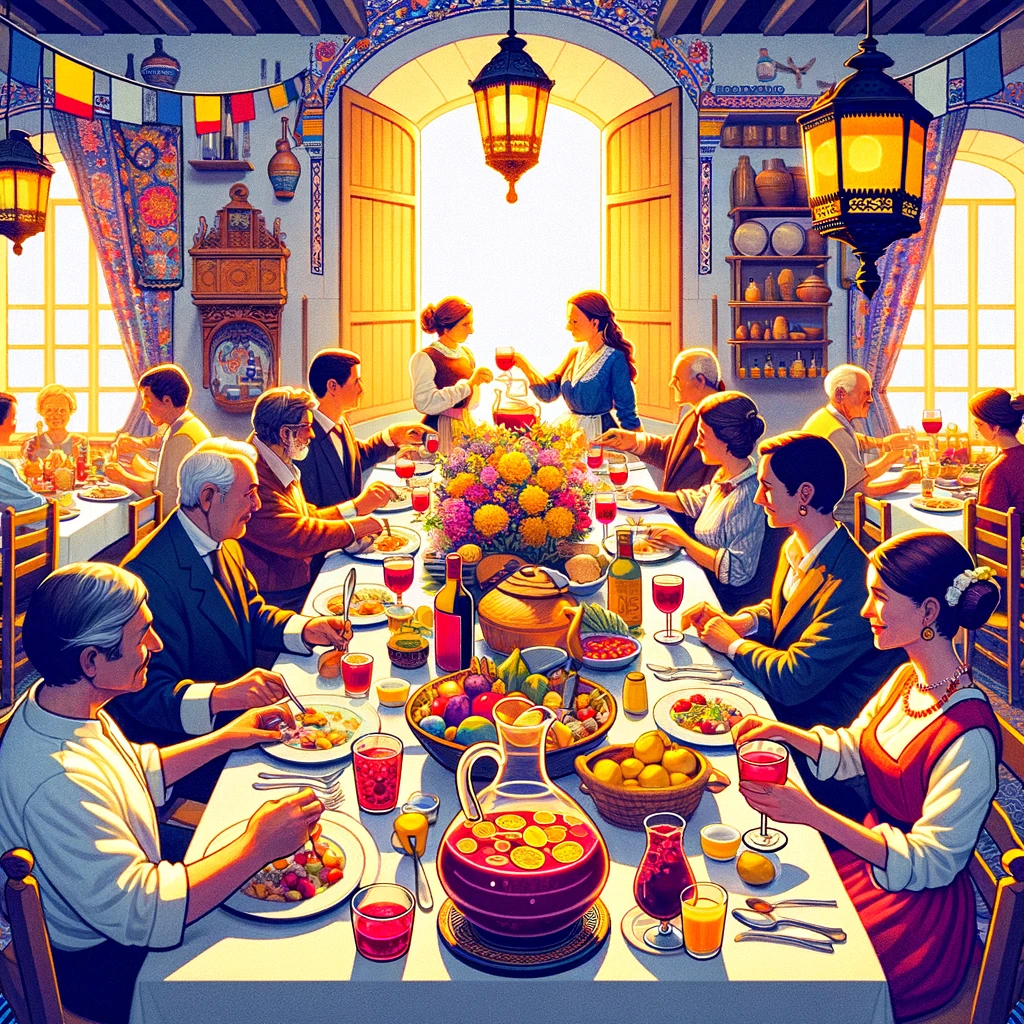
- Table Setting: Expect a plate, a bread plate to the left, and glasses at the top right. Utensils are arranged around the plate in the order they will be used, from the outside in.
- Seating: The host often sits at the head of the table, with guests arranged around. It’s polite to wait until the host or the eldest person sits down before taking your seat.
Navigating the Meal: Courses and Cutlery
Spanish meals, particularly lunch, are often multi-course affairs. Knowing how to navigate these courses is key to enjoying the meal without feeling overwhelmed.
- Appetizers (Entrantes): These light starters set the stage for the meal. Use the outermost utensils for these dishes.
- Main Course (Plato Principal): This is usually a heartier dish. Follow the host’s lead in using the appropriate utensils.
- Dessert (Postre): Often a sweet treat, eaten with a small fork or spoon.
Throughout the meal, remember to keep your hands visible by resting your wrists on the edge of the table. It is considered rude to have your hands in your lap.
The Art of Conversation
Conversation is a cornerstone of Spanish dining. Meals are a time for lively but respectful discussion.
- Topics: Avoid controversial topics. Stick to discussions about food, travel, and general interest topics.
- Listening: Spanish dining is as much about listening as it is about talking. Show interest in what others are saying and engage with their stories.
Wine and Toasting Etiquette
Spain is renowned for its wines, and understanding the basics of wine etiquette will enhance your dining experience.
- Serving: The host typically serves the wine. It’s polite to wait for everyone to be served before drinking.
- Toasting: A common toast is “¡Salud!” (health). Make eye contact when clinking glasses and take a sip after the toast.
The Role of Bread
Bread is a staple at Spanish tables and has its own set of rules.
- Placement: Your bread plate is on your left.
- Usage: Use bread to help push food onto your fork, but avoid using it to soak up sauces unless at a very casual meal.
Finishing Your Meal
How you finish your meal is as important as how you start it.
- Utensil Placement: When finished, place your utensils together at the 5 o’clock position on your plate.
- Complimenting the Host: It’s polite to compliment the meal and thank the host for their hospitality.
Tips for a Successful Dining Experience
- Punctuality: Arrive on time, but be aware that in Spain, being a few minutes late is often acceptable.
- Dress Code: Dress appropriately for the occasion, leaning towards smart-casual.
- Gratitude: Always say “Gracias” (thank you) after the meal.
Embracing Spanish table manners is about more than following rules; it’s about participating in a cultural experience that values food, family, and friendship. As you navigate the nuances of Spanish dining etiquette, remember that the most important aspect is the enjoyment and respect of the company and the meal.
By understanding and respecting these cultural norms, you’ll not only enjoy your meals more, but you’ll also deepen your appreciation for the rich, vibrant culture that is Spain.

Invitations and Host-Guest Dynamics
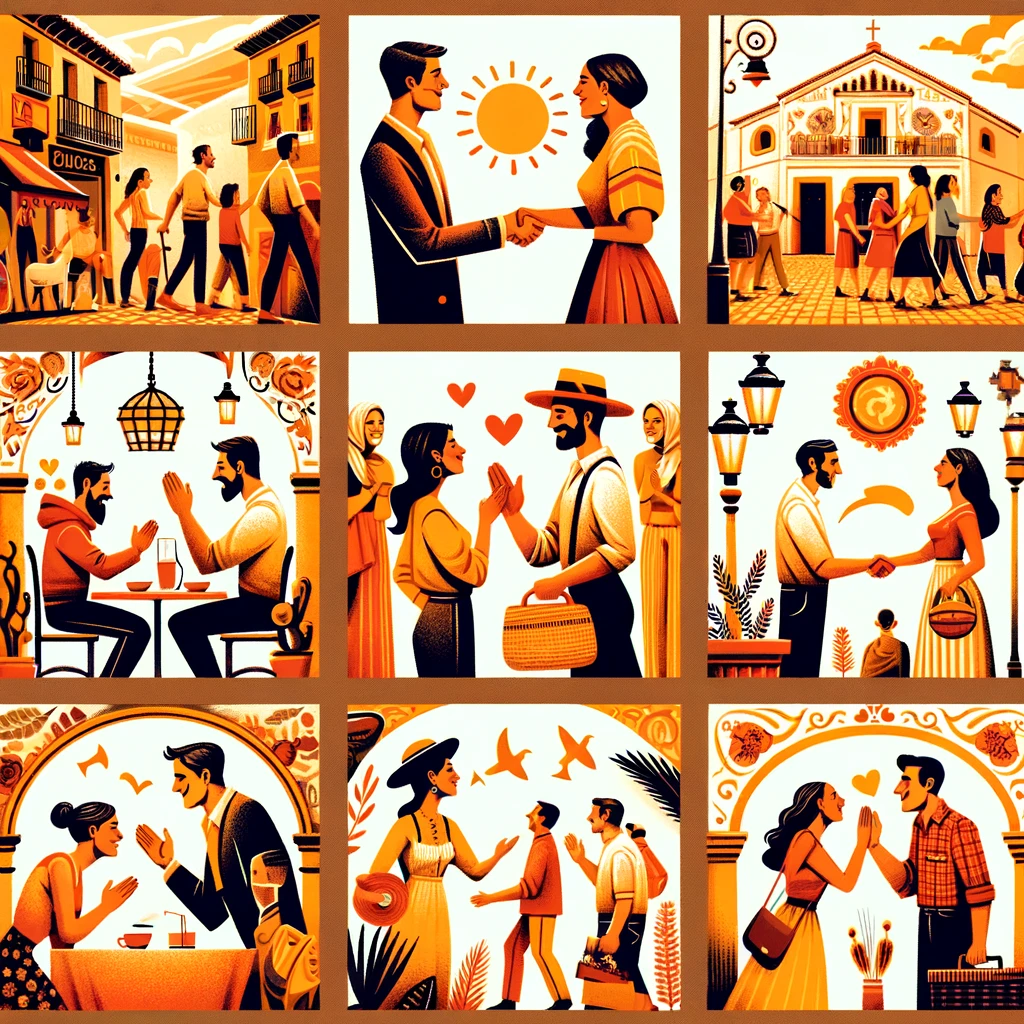
When invited to a Spanish home for a meal, it’s customary to bring a small gift, such as wine, chocolates, or flowers for the host. Upon arrival, greet the host and other guests with a handshake or, in more familiar settings, a cheek kiss (two kisses, starting with the right cheek).
Responding to Invitations
- RSVP: Always respond to an invitation promptly, indicating whether you will attend.
- Punctuality: For dinner invitations, it’s acceptable to arrive about 15-30 minutes after the stated time. However, for lunch, punctuality is more appreciated.
Dining Out: Restaurants and Tapas Bars
Dining out in Spain offers a chance to experience the country’s vibrant culinary scene, from traditional restaurants to lively tapas bars.
Restaurants
- Reservations: For popular restaurants, it’s advisable to make a reservation.
- Ordering: Wait for the host to start ordering. If you are the guest, take cues from them on how many courses to order.
- Payment: The person who extends the invitation typically pays the bill. However, offering to contribute is a polite gesture.
Tapas Bars
- Etiquette: Tapas are about socializing and sharing. Dishes are placed in the center of the table for everyone to enjoy.
- Ordering: It’s common to order several tapas for the group. Each person can suggest one or two dishes.
Special Occasions and Festive Meals
Spanish cuisine shines during festivals and special occasions, each with its unique dishes and customs.
Christmas
- Typical Foods: Expect traditional dishes like “turrón” (nougat), “polvorones” (crumbly cookies), and seafood.
- Etiquette: These meals are usually family-oriented and can last for several hours with multiple courses.
Weddings and Celebrations
- Meals: Often feature elaborate dishes and a celebratory atmosphere.
- Toasting: Frequent toasts are common, usually led by the hosts or close family members.
Dietary Restrictions and Preferences
Spain’s culinary landscape is diverse, but navigating dietary restrictions can be challenging.
- Communicating Preferences: If you have dietary restrictions, it’s polite to inform your host or server in advance.
- Vegetarianism: While traditional Spanish cuisine is heavy on meat and seafood, vegetarian options are increasingly common.
The Coffee Culture
Coffee in Spain is an art form and a social activity, often enjoyed after meals.
- Types of Coffee: Learn the basic types like “café solo” (espresso), “cortado” (espresso with a little milk), and “café con leche” (coffee with milk).
- Etiquette: Coffee is typically sipped leisurely, often accompanied by a small sweet or pastry.
Conclusion and Final Tips
Understanding Spanish table manners and etiquette is a journey into the heart of Spanish culture. It’s about adapting to the rhythm of Spanish life, where meals are a time-honored tradition, an expression of hospitality, and a celebration of cuisine.
Remember, the essence of Spanish dining is not just in the food but in the experience—the laughter, the conversations, and the connections made around the table. Whether you are sharing tapas in a bustling bar or enjoying a leisurely lunch under the Mediterranean sun, embracing these customs will enrich your experience and create lasting memories.
By mastering the art of Spanish table manners, you open yourself to a deeper understanding and appreciation of Spain’s rich cultural heritage. Buen provecho!