

Learning a new language like Spanish is a rewarding experience that opens doors to different cultures, perspectives, and communities. One of the most engaging ways to practice and improve your Spanish skills is by discussing your personal interests and hobbies. This article provides a comprehensive guide to basic Spanish vocabulary related to personal hobbies, helping you converse more fluently and confidently with native speakers. Whether you’re passionate about sports, arts, music, or any other activity, this vocabulary will prove invaluable in your journey to mastering Spanish.
Introduction
Hobbies are an essential aspect of our lives, providing not only enjoyment but also opportunities for social interaction and personal growth. As you embark on learning Spanish, discussing your hobbies can be a fantastic way to connect with new friends and practice your language skills in real-life contexts. Whether you love painting, playing soccer, or reading books, being able to talk about these activities will greatly enhance your ability to engage in meaningful conversations with native Spanish speakers.
In this introductory section, we’ll explore some general vocabulary that is useful for discussing hobbies in Spanish. These foundational words and phrases will help you start conversations and express your interests clearly. From verbs and nouns to useful phrases, mastering this basic vocabulary will set the stage for more advanced discussions about your hobbies. Let’s dive in and start building a strong foundation for discussing your personal interests in Spanish.
General Vocabulary for Hobbies
Before we delve into specific hobbies, it’s essential to familiarize yourself with some general terms that can be applied to a wide range of activities. Here are some foundational words and phrases to keep handy:
- Hobby: Pasatiempo
- Activity: Actividad
- To enjoy: Disfrutar
- To practice: Practicar
- To spend time: Pasar tiempo
- Leisure: Ocio
These general terms will help you describe your hobbies and activities in Spanish. For example, you might say, “Mi pasatiempo favorito es leer” (My favorite hobby is reading) or “Disfruto practicar deportes en mi tiempo libre” (I enjoy practicing sports in my free time). With these fundamental words at your disposal, you can start discussing a variety of hobbies with ease.
Sports and Outdoor Activities
Sports are a common hobby that many people around the world enjoy, and discussing your favorite sport in Spanish can be a great way to connect with others. Here are some key vocabulary related to sports and outdoor activities:
- Soccer: Fútbol
- Basketball: Baloncesto
- Running: Correr
- Cycling: Ciclismo
- Swimming: Natación
- Hiking: Senderismo
- Tennis: Tenis
Don’t forget to learn some useful verbs related to sports:
- To play: Jugar
- To run: Correr
- To swim: Nadar
- To hike: Hacer senderismo
Here are some example sentences to help you practice:
- “Me gusta jugar al fútbol los fines de semana” (I like to play soccer on the weekends).
- “Voy a nadar en la piscina todos los días” (I go swimming in the pool every day).
- “Disfruto hacer senderismo en la montaña” (I enjoy hiking in the mountains).
By mastering these sports-related terms and practicing with these sentences, you’ll be able to share your love for sports and outdoor activities in Spanish fluently.
Arts and Crafts
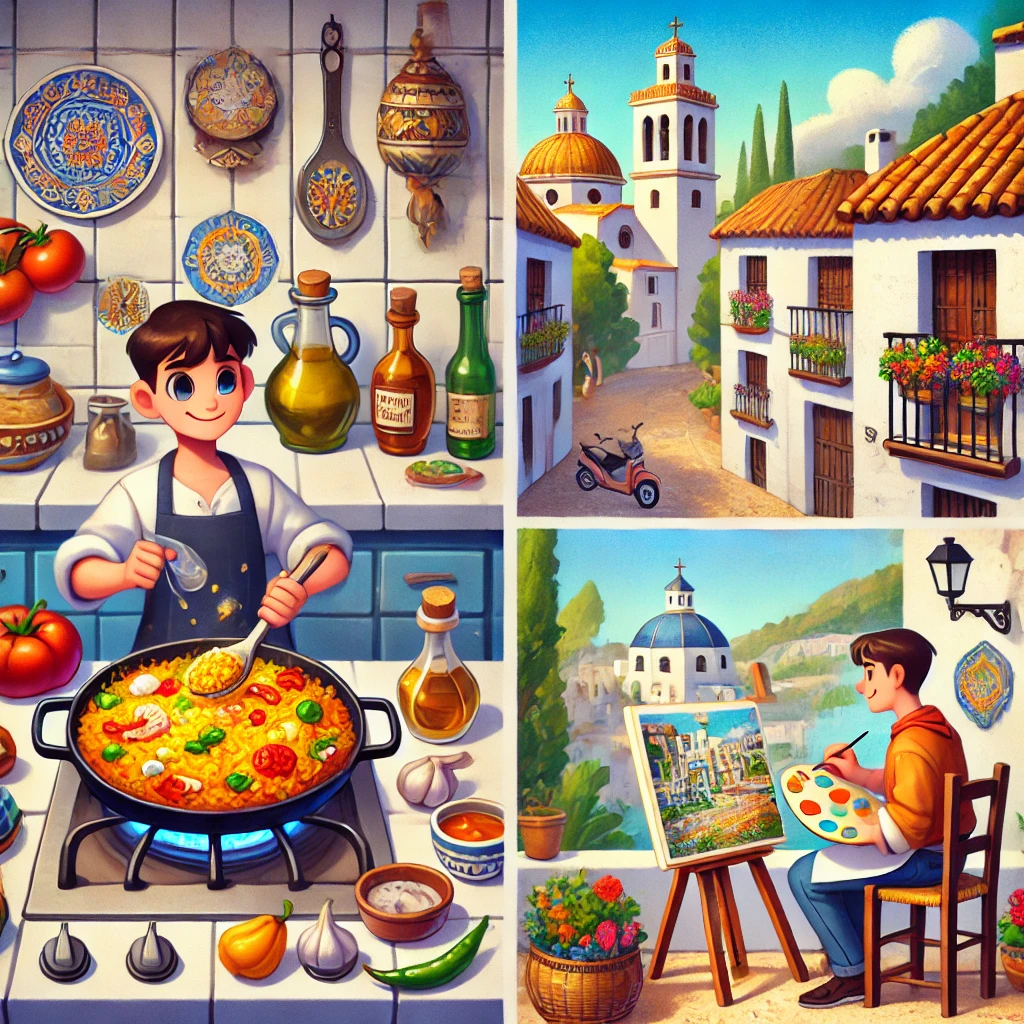
Arts and crafts are another popular category of hobbies that allow for creativity and self-expression. Whether you enjoy painting, drawing, or crafting, knowing how to talk about these activities in Spanish can be incredibly rewarding. Here is some essential vocabulary:
- Painting: Pintura
- Drawing: Dibujo
- Sculpting: Escultura
- Crafting: Manualidades
- Photography: Fotografía
- To create: Crear
Some useful verbs for discussing arts and crafts include:
- To paint: Pintar
- To draw: Dibujar
- To sculpt: Esculpir
- To make: Hacer
- To take photos: Tomar fotos
Consider these example sentences:
- “Me encanta pintar paisajes en mi tiempo libre” (I love painting landscapes in my free time).
- “Disfruto dibujar retratos” (I enjoy drawing portraits).
- “Hago manualidades con mi familia los domingos” (I do crafts with my family on Sundays).
Having this vocabulary at your fingertips will enable you to talk about your artistic hobbies and share your creations with others in Spanish-speaking communities.
Music and Dance
Music and dance are universal forms of entertainment and expression that bring people together across cultures. If you have a passion for music or dance, learning how to discuss these interests in Spanish can enhance your language skills and cultural connections. Here are some key terms to get you started:
- Music: Música
- Dance: Baile
- Singing: Canto
- Instrument: Instrumento
- Guitar: Guitarra
- Piano: Piano
- To play an instrument: Tocar un instrumento
Don’t forget these useful verbs:
- To sing: Cantar
- To dance: Bailar
- To listen: Escuchar
- To perform: Actuar
Here are some example sentences to help you practice:
- “Me gusta tocar la guitarra en mi tiempo libre” (I like to play the guitar in my free time).
- “Disfruto bailar salsa los fines de semana” (I enjoy dancing salsa on the weekends).
- “Voy a una clase de canto cada martes” (I go to a singing class every Tuesday).
With this essential vocabulary, you’ll be able to share your musical and dance interests with friends and fellow hobbyists in Spanish, creating delightful conversations and lasting memories.
Reading and Writing
If you love the written word, discussing your reading and writing habits can be another enriching way to practice Spanish. Whether you’re an avid reader or an aspiring writer, here’s some vocabulary to help you express these interests:
- Reading: Lectura
- Writing: Escritura
- Book: Libro
- Story: Historia
- Poem: Poema
- Novel: Novela
- Author: Autor/Autora
Some useful verbs for talking about reading and writing include:
- To read: Leer
- To write: Escribir
- To describe: Describir
- To imagine: Imaginar
Consider these example sentences:
- “Me gusta leer novelas de misterio” (I like to read mystery novels).
- “Disfruto escribir poemas en mi diario” (I enjoy writing poems in my journal).
- “Leo un libro nuevo cada mes” (I read a new book every month).
By using these terms and practicing with these sentences, you’ll be well-equipped to share your passion for reading and writing in Spanish-speaking contexts, fostering deeper connections with fellow literary enthusiasts.
Technology and Gaming
In today’s digital age, technology and gaming are prevalent hobbies for many people worldwide. If you’re a tech enthusiast or a gamer, knowing how to discuss these interests in Spanish can enhance your language skills and connect you with like-minded individuals. Here are some key terms to help you get started:
- Technology: Tecnología
- Gaming: Juegos
- Video game: Videojuego
- Computer: Computadora
- Console: Consola
- Internet: Internet
- To play (a game): Jugar
Some useful verbs for talking about technology and gaming include:
- To use: Usar
- To download: Descargar
- To play: Jugar
- To connect: Conectar
Here are some example sentences to help you practice:
- “Me gusta jugar videojuegos en mi computadora” (I like to play video games on my computer).
- “Disfruto usar la tecnología para aprender cosas nuevas” (I enjoy using technology to learn new things).
- “Conecto con amigos en línea para jugar juntos” (I connect with friends online to play together).
With this essential vocabulary, you’ll be able to share your enthusiasm for technology and gaming with others in Spanish-speaking communities, sparking engaging conversations and forming new friendships.
Conclusion
Discussing personal hobbies is a delightful and effective way to practice your Spanish language skills. Whether you enjoy sports, arts, music, reading, or technology, having the right vocabulary will enable you to express your interests and connect with others who share similar passions. By utilizing the comprehensive vocabulary provided in this article, you’ll be well-equipped to engage in meaningful conversations about your hobbies in Spanish.
Remember, language learning is a journey that requires consistent practice and exposure. Don’t be afraid to make mistakes, as they are an essential part of the learning process. Engage with native speakers, join hobby groups, and immerse yourself in Spanish-speaking environments to further enhance your fluency.
As you continue to expand your Spanish vocabulary and improve your conversational skills, you’ll find that discussing your personal hobbies becomes more natural and enjoyable. Embrace the opportunity to share your passions with others, and relish the cultural exchanges that come with learning a new language. Happy learning!


