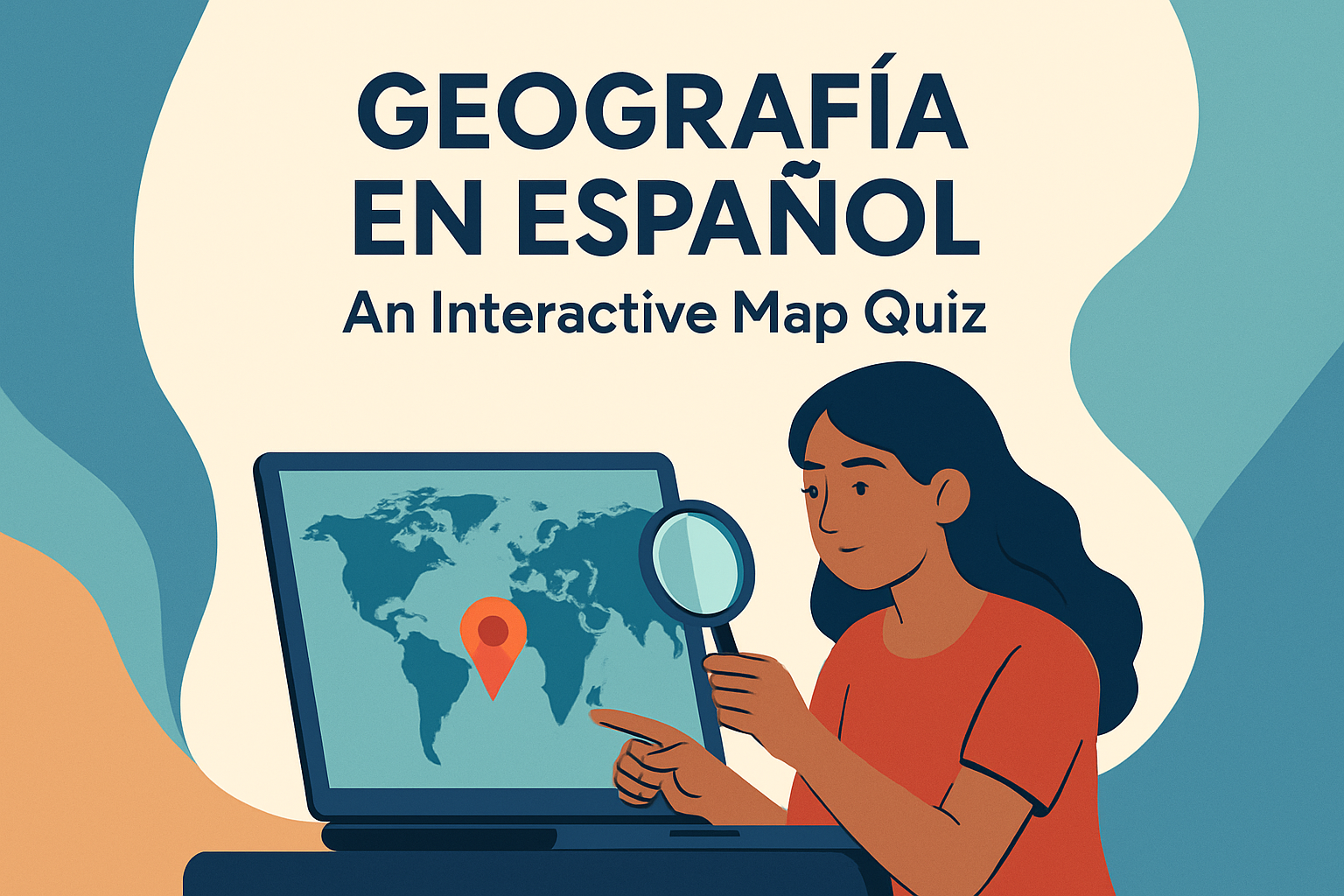
Learning a new language is a transformative journey, one filled with excitement, challenges, and, ultimately, a sense of accomplishment. As you embark on the path to mastering Spanish, one crucial component of your journey is building a robust vocabulary. Acquiring a vast and versatile Spanish vocabulary not only boosts your confidence but also enhances your ability to communicate effectively in various contexts. This article aims to provide you with practical techniques and practices that will help you develop a strong Spanish vocabulary, ensuring you enjoy a fulfilling language learning experience.
Why is building a strong Spanish vocabulary so essential, you might wonder? Well, think of vocabulary as the building blocks of a language. Just as an architect requires bricks to construct a building, language learners need words and phrases to build their ability to express thoughts, understand conversations, and immerse themselves in new cultural contexts. A rich vocabulary opens the door to meaningful interactions and a deeper understanding of the Spanish-speaking world.
In this article, we’ll explore a variety of effective techniques and practices that cater to different learning styles and preferences. Whether you’re a visual learner, enjoy interactive approaches, or prefer traditional methods, there’s something here for everyone. We’ll delve into techniques such as using flashcards, engaging with multimedia resources, incorporating vocabulary into daily routines, and much more. By adopting these strategies, you’ll be well on your way to expanding your Spanish lexicon and achieving language proficiency.
Embrace Flashcards for Active Recall
One of the most popular and timeless methods for vocabulary acquisition is the use of flashcards. Flashcards harness the power of active recall, a cognitive phenomenon where retrieving information strengthens memory and retention. Here’s how you can effectively incorporate flashcards into your Spanish vocabulary-building routine.
Start by creating a set of flashcards, each featuring a Spanish word on one side and its English translation on the other. To make the learning process more engaging, consider using color-coded flashcards to categorize words by themes, such as colors, numbers, household items, or emotions. This thematic approach not only helps with vocabulary retention but also aids in associating words with specific contexts.
Schedule regular practice sessions with your flashcards, ideally dedicating short bursts of time multiple times a day. This approach, known as spaced repetition, optimizes learning by reviewing words at strategic intervals to enhance retention. Digital platforms and apps, like Anki or Quizlet, offer convenient flashcard options with built-in spaced repetition algorithms, adapting to your progress and helping you focus on words that require more attention.
Additionally, incorporate visual aids like drawings or images on your flashcards to create a stronger mental connection between words and their meanings. For instance, a simple drawing of a sun can accompany the word “sol,” enhancing your ability to recall the word through visual association. By integrating flashcards into your daily routine, you’ll find your Spanish vocabulary expanding rapidly.
Immerse in Multimedia Resources
The digital age has revolutionized language learning, providing an abundance of multimedia resources to enhance vocabulary acquisition. From podcasts and audiobooks to videos and music, exposing yourself to authentic Spanish content can significantly boost your vocabulary skills. Here’s how to make the most of these resources.
Start by exploring Spanish-language podcasts on topics that interest you. Whether it’s travel, cooking, or current events, listening to native speakers discussing topics you enjoy will enrich your vocabulary with relevant and contextually meaningful words. Podcast platforms like Spotify, Apple Podcasts, or specialized language apps offer a wide range of options tailored for learners of various skill levels.
Similarly, audiobooks narrated in Spanish provide an immersive listening experience. Choose books that match your proficiency level, gradually challenging yourself with more complex narratives as you progress. Audiobooks allow you to absorb vocabulary, pronunciation, and sentence structures while enjoying captivating stories.
Video content, such as movies, TV shows, and YouTube videos, offers visual context alongside spoken language, aiding comprehension and retention. Opt for content with subtitles to bridge the gap between spoken and written language. Watching films or shows in Spanish not only introduces you to colloquial expressions but also provides insight into cultural nuances.
Music, too, is an enjoyable way to incorporate new vocabulary. Explore different genres of Spanish music, paying attention to song lyrics. Sing along or write down unfamiliar words to look up later. Music has a unique way of ingraining vocabulary through rhythm and repetition. By embracing multimedia resources, you’ll expose yourself to a diverse range of vocabulary, keeping your learning experience dynamic and enjoyable.

Integrate Vocabulary into Daily Activities
One of the most effective ways to solidify your Spanish vocabulary is by integrating it into your daily activities. This practice transforms language learning from a task into a natural part of your routine, enhancing both retention and practical application.
Start with labeling items in your environment. Use sticky notes to label household objects with their Spanish names. For example, affix a note reading “mesa” on your table or “ventana” on the window. This visual association helps you internalize vocabulary through constant exposure.
Incorporate Spanish into your daily routines by setting language goals for specific activities. For instance, challenge yourself to prepare a shopping list entirely in Spanish before heading to the grocery store. Describe your morning routine, narrating each action in Spanish, or set your phone or computer interface to Spanish to become familiar with technical vocabulary in context.
Furthermore, engage in conversations with yourself or others in Spanish. It might feel strange initially, but thinking and speaking in your target language enhances fluency and confidence. Use language exchange platforms to connect with native Spanish speakers, providing an authentic context to practice conversational skills.
Journaling in Spanish is another excellent method for language integration. Dedicate a few minutes each day to jot down your thoughts, daily experiences, or reflections, using new vocabulary and sentence structures. This practice not only reinforces vocabulary but also improves your writing abilities.
Utilize Language Learning Apps and Tools
In an era where technology plays a central role in education, language learning apps and tools have become indispensable resources for building a strong Spanish vocabulary. These digital aides offer personalized learning experiences, combining interactive features with gamified elements to keep you engaged.
Duolingo, Babbel, and Rosetta Stone are popular language learning platforms offering comprehensive vocabulary modules. These apps employ a variety of exercises, from matching words with images to completing sentences, ensuring you practice vocabulary in context. The gamified approach of receiving points and leveling up adds a fun competitive element to the learning process.
Lingvist and Memrise focus on vocabulary acquisition, utilizing spaced repetition algorithms to optimize learning efficiency. Lingvist analyzes your learning pattern, presenting words you struggle with more frequently to strengthen your knowledge gaps. Memrise combines scientific principles with user-generated content, exposing you to diverse vocabulary sets.
Language learning tools, such as Google Translate’s Word Lens feature, enable quick translations by simply pointing your phone camera at text in real life. This tool is handy for reading signs, menus, or labels, expanding your vocabulary effortlessly through exposure to real-world language.
Incorporating these apps and tools into your routine supplements traditional learning methods, offering a dynamic and interactive approach to vocabulary building. Moreover, features like daily reminders and progress tracking motivate consistent practice and continuous improvement.
Practice Contextual Learning
One of the most powerful methods for building a strong Spanish vocabulary is through contextual learning. This approach involves acquiring new words and phrases within the framework of meaningful communication, allowing for deeper understanding and retention. Let’s explore how you can implement contextual learning effectively.
Start by engaging in conversations or reading materials related to topics that fascinate you. When you encounter unfamiliar terms, take the time to research their meanings and usage in context. This process not only enriches your vocabulary but also provides you with the practical application, helping you remember words more effectively.
Try storytelling in Spanish, either by reading short stories or crafting your narratives. Fiction, with its imaginative plots and diverse vocabulary, exposes you to a variety of words within engaging contexts. Consider participating in online book clubs or discussion groups where you can analyze and discuss Spanish literature, reinforcing vocabulary through interactive exchanges.
Subject-specific vocabulary is often crucial for professionals learning Spanish for work. Create or find materials related to your field, such as articles, reports, or case studies in Spanish. By mastering vocabulary relevant to your profession, you gain confidence in using the language within a professional context.
Participate in role-playing exercises where you assume different characters or scenarios. This technique encourages you to apply vocabulary in real-life situations, enhancing your ability to think on your feet and use language creatively. Role-playing is particularly effective for practicing vocabulary related to everyday interactions, such as ordering food at a restaurant or asking for directions.
Conclusion
Building a strong Spanish vocabulary is an essential pillar of your language learning journey, empowering you to communicate effectively and engage with diverse Spanish-speaking communities. By incorporating a blend of the techniques and practices discussed in this article—such as flashcards, multimedia resources, daily integration, language learning apps, and contextual learning—you’ll develop a profound understanding of the language.
Remember, language learning is a gradual and rewarding process that requires dedication, consistency, and a willingness to explore new approaches. Be patient with yourself as you embrace mistakes and challenges, for they are essential stepping stones along the path to fluency. Celebrate each milestone, regardless of size, as every new word learned is a step closer to mastering Spanish.
Ultimately, the joy of learning Spanish lies in the connections and opportunities it creates. Whether you aim to travel, build relationships, advance your career, or simply enjoy a new cultural experience, a strong vocabulary will undoubtedly enhance your journey. By adopting the techniques explored in this article, you’re setting a solid foundation for success, one word at a time.