When it comes to fostering bilingualism in children, introducing Spanish through engaging resources such as books, apps, and websites is a tried-and-true method. As parents and educators, we are constantly on the lookout for tools that can immerse young learners in a Spanish-speaking environment, providing them with authentic and educational experiences. With today’s abundance of resources, it’s easier than ever to make learning Spanish fun and interactive. This article aims to guide you through selecting the best Spanish-language books for children, along with some outstanding apps and websites that will enhance language acquisition in young learners.
As the world becomes more interconnected, bilingual or even multilingual proficiency not only increases a child’s cultural understanding but also enhances cognitive development, academic performance, and future career opportunities. Spanish, being one of the most spoken languages globally, offers a valuable skill set that can open countless doors. The key is making the learning process enjoyable and sustainable, particularly for young minds that thrive on curiosity and play.
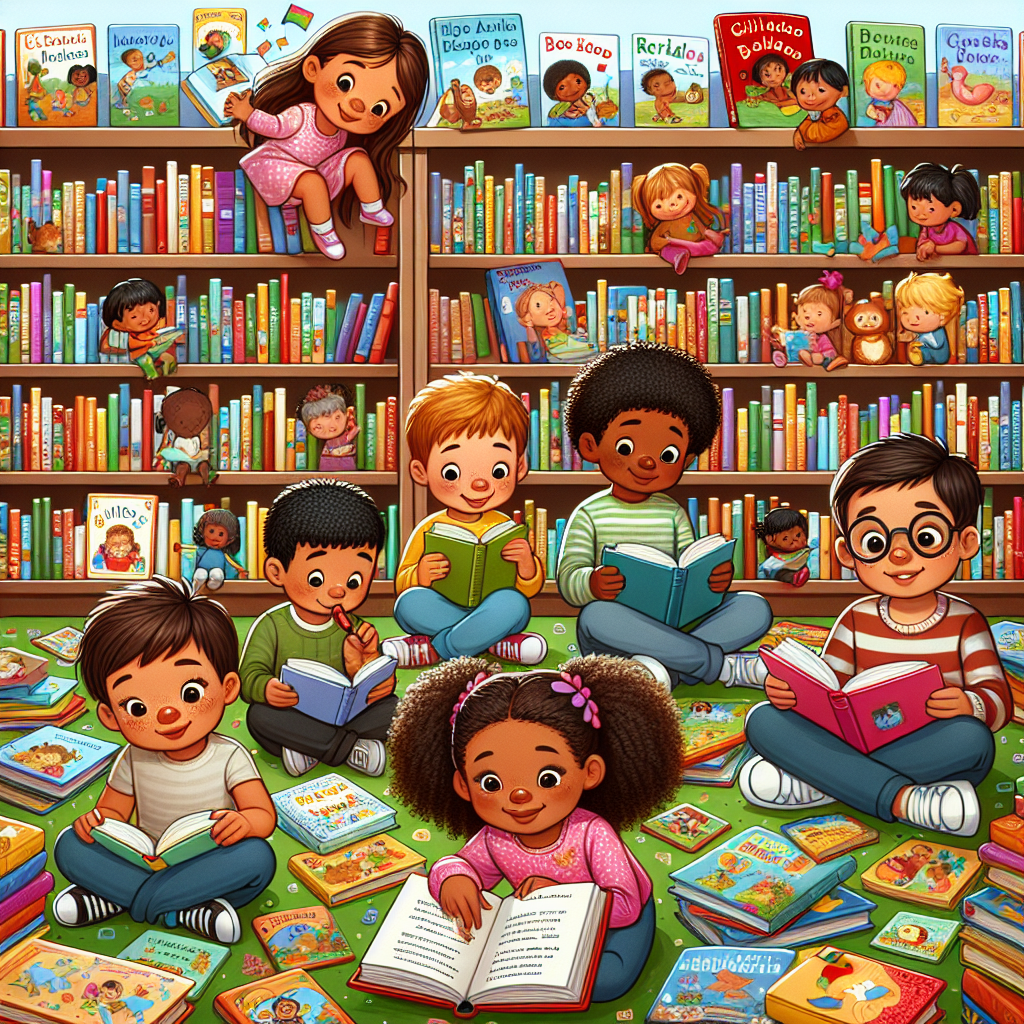
Children’s books in Spanish play a crucial role in this journey, combining the allure of stories with language learning. Books introduce young learners to vocabulary and grammatical structures in context. They spark imagination, inspire, and answer the infinite ‘whys’ that sprout in young minds. With the right selection of books, children not only improve their Spanish language skills but also develop a love for reading and an appreciation for the rich tapestry of Hispanic cultures.
Recommended Spanish Books for Children
Choosing the right Spanish books for your child involves more than just picking a best-seller; it requires consideration of the child’s age, interests, and proficiency level. Fortunately, there is a rich array of children’s literature available in Spanish to capture the hearts and minds of young learners.
For preschoolers, picture books that introduce basic vocabulary and simple sentences are ideal. Titles such as “Buenas Noches, Gorila” by Peggy Rathmann and “El Pollo Pepe” by Nick Denchfield are perfect as they make learning an adventure. These books use repetition and engaging illustrations to help children develop word recognition and sentence structure in Spanish.
School-aged children may benefit from a narrative that is both exciting and vocabulary-rich. Books like “Historia de una gaviota y del gato que le enseñó a volar” by Luis Sepúlveda or “Frida” by Jonah Winter offer slightly more complex text along with cultural insights. These books provide an opportunity to introduce themes of life lessons and cultural awareness, wrapped in the comfort of stories.
Furthermore, for children who are already fluent but seek to expand their knowledge, classic titles like “Cuentos de la Selva” by Horacio Quiroga or “Platero y yo” by Juan Ramón Jiménez offer enriching language and deeper themes, suitable for advanced understanding while sustaining an engaging storyline.
Top Apps for Learning Spanish
In our digital age, mobile applications offer a dynamic platform for language learning. These apps can complement traditional learning resources, providing interactive and adaptable experiences that cater to individual learning styles and paces. Some of the most popular apps have been specifically tailored to enhance Spanish language learning for children.
One of the most effective apps is Duolingo, which gamifies learning with its bite-sized lessons and rewarding point system. It’s an excellent tool for young learners to practice their vocabulary, grammar, and pronunciation in a playful environment. Duolingo accommodates multiple languages, allowing children to toggle between English and Spanish, enhancing understanding.
Equally popular is Babbel, known for its conversational approach, which emphasizes real-life communication skills. Babbel’s structured lessons are designed to build confidence in speaking Spanish by slowly advancing in difficulty as the child’s proficiency grows. Its immersive technique can transform a child’s apprehension into enthusiasm for speaking a new language.
The app “Gus on the Go” specifically targets young learners with its storytelling approach. It guides children through new vocabulary and phrases by connecting lessons to narrative adventures. With engaging graphics and simple storylines, this app facilitates natural learning and retention for beginners.
Educational Spanish Websites for Young Learners
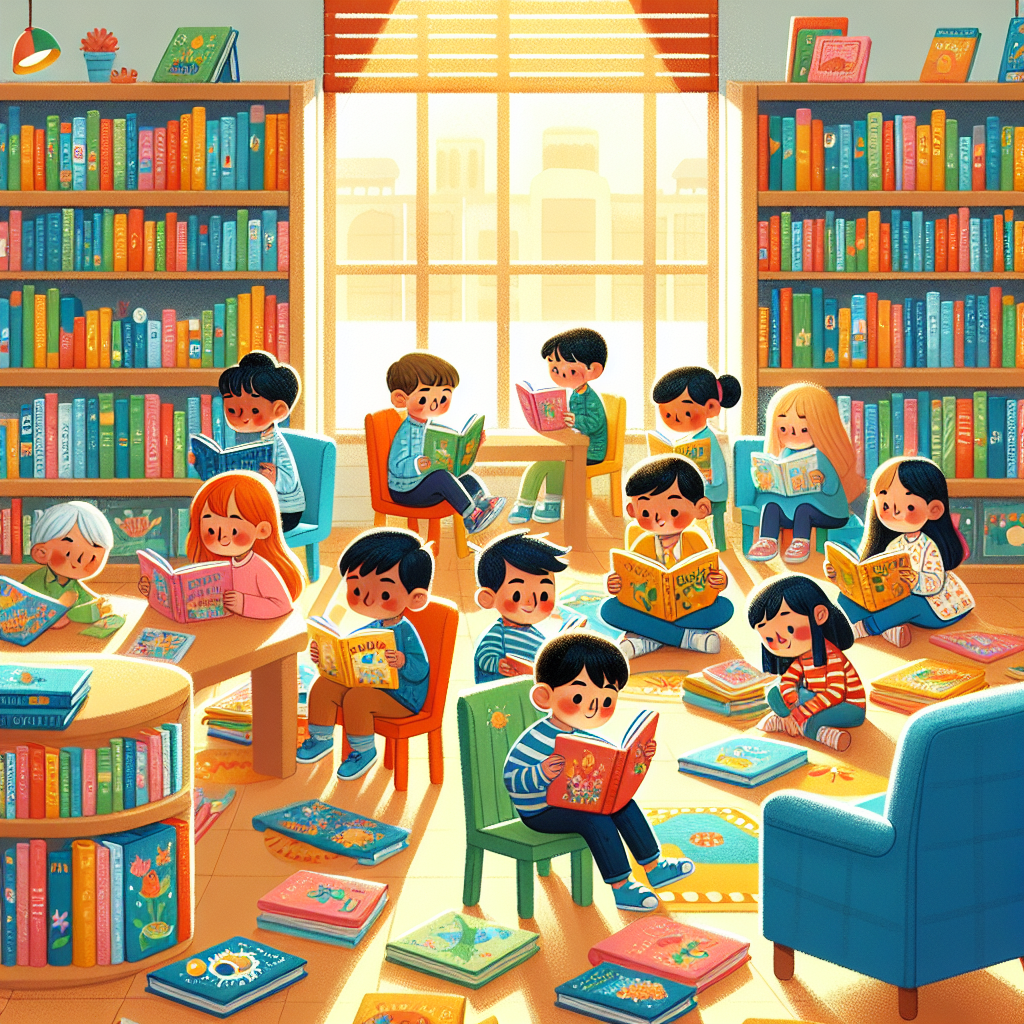
Websites dedicated to children’s Spanish education provide accessible, variety-filled resources to engage young minds in language learning. These platforms often include interactive stories, games, and activities specifically designed to make learning Spanish enjoyable and effective.
One such gem is the website “123TeachMe.” This site offers a comprehensive suite of free resources ranging from vocabulary lessons to interactive games tailored for kids. It’s a valuable tool that supports structured learning and offers supplementary exercises to reinforce what children have learned.
Rockalingua is another invaluable resource with a rich selection of songs, videos, and games. This website makes learning Spanish fun by integrating music and rhythm, tapping into a child’s natural affinity for music. Rockalingua encourages both kids and parents to learn together through catchy tunes and engaging visuals, facilitating bonding and collective language acquisition.
Additionally, the website Spanish Playground provides thematic lessons and resources, organized according to age and language proficiency. It integrates traditional learning with innovative methods, offering printables, crafts, and real-world connections to the Spanish language, fostering a comprehensive and enjoyable learning experience.
Choosing the Right Resource for Your Child
In navigating the landscape of Spanish learning resources for children, it’s important to choose those that match the child’s individual learning style, language level, and interests. Encouraging children to participate in selecting their learning materials can increase their motivation and investment in the learning process.
Begin by assessing the child’s current understanding of Spanish. For absolute beginners, consider starting with basic vocabulary and simple phrases to build foundational knowledge. As they become more comfortable, gradually introduce more complex language structures and cultural content.
Engaging with the material in diverse ways—through reading, listening, speaking, and interactive play—can help solidify language concepts. A mix of books, apps, and websites can provide a well-rounded approach, catering to auditory, visual, and kinesthetic learners. Moreover, ensuring that learning is perceived as fun rather than a chore can greatly enhance a child’s retention and enthusiasm.
Remember, patience and consistency are key. Spanish language acquisition is a journey rather than a sprint, and celebrating small victories can keep young learners motivated along the way.
Creating a Supportive Learning Environment
Creating a supportive environment is crucial in encouraging children to embrace learning Spanish. This involves more than just providing resources; it requires building a culture of curiosity and appreciation for language and culture in the home or classroom.
Encourage your child to express themselves in Spanish, even if it’s just a word or two at first. Celebrate their attempts and offer gentle corrections rather than focusing on mistakes. Positive reinforcement fosters confidence and a willingness to try.
Incorporate Spanish into everyday activities to make learning natural and contextual. Label items around the house with their Spanish names or narrate daily routines in Spanish to familiarize your child with the language in a practical context. Taking small steps to integrate Spanish language use into daily life bridges the gap between formal learning and real-world application.
Cultural exposure also enriches the learning process. Watching Spanish-language children’s shows, listening to Spanish music, and even preparing simple recipes from Spanish-speaking countries can enhance linguistic understanding and cultural appreciation simultaneously.
Conclusion: The Journey to Bilingualism
Embarking on the journey towards bilingualism through Spanish children’s books, apps, and websites is an enriching endeavor that yields numerous benefits for young learners. By carefully selecting and combining these resources, parents and educators can create a comprehensive and engaging learning experience tailored to the individual needs of each child.
Remember that every child’s learning journey is unique. It involves trial and error to find what works best for them, and that process should be embraced wholeheartedly. By fostering an environment rich in language exposure and cultural appreciation, we can help children develop not only linguistic skills but also a love for learning and the world around them.
Ultimately, the goal is to provide a platform where children can explore and expand their horizons with confidence. Whether through the pages of a beloved storybook, the joyful tunes of learning apps, or interactive websites, the path to mastering Spanish can be both dynamic and deeply satisfying.
In the endeavor to raise bilingual children, patience, creativity, and enthusiasm are the most essential tools. With the right resources, your child’s adventure in learning Spanish can be one that is exciting and rewarding, setting the stage for a lifetime of learning and discovery.