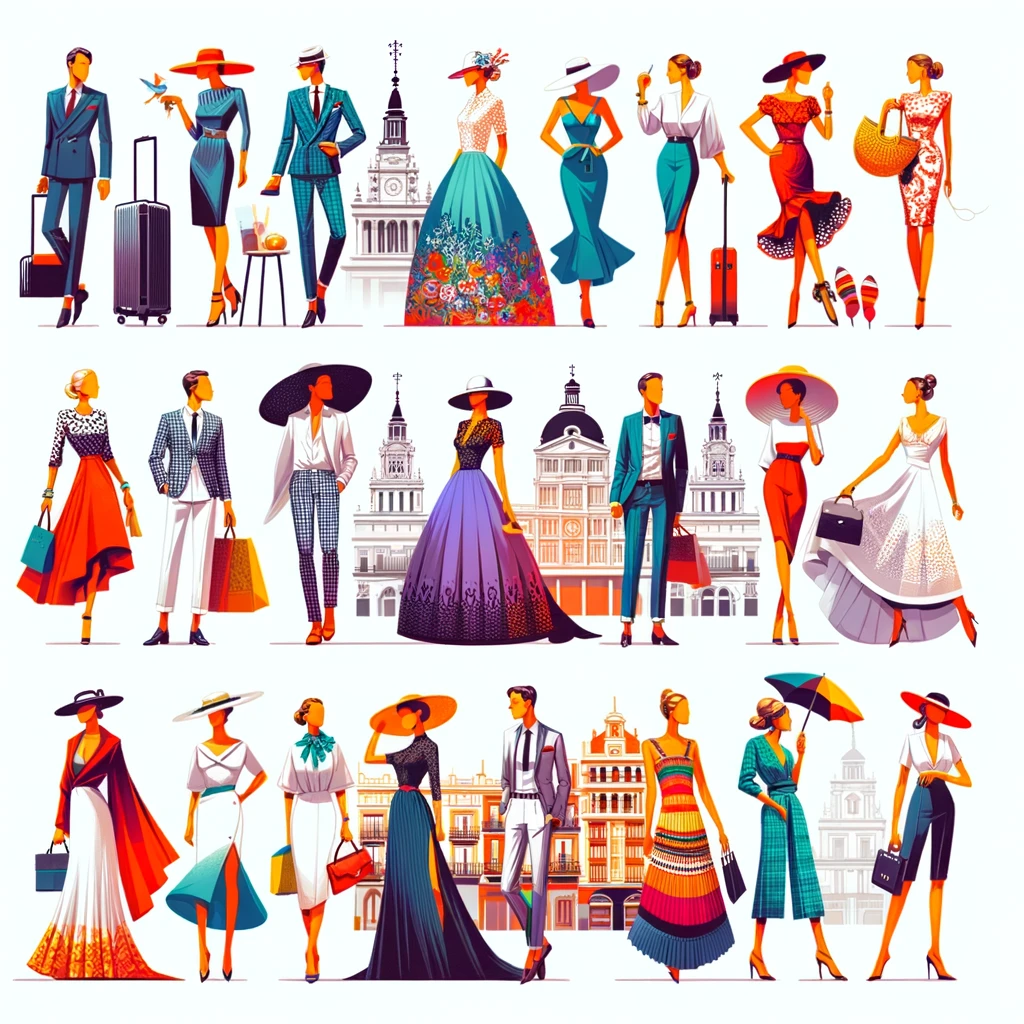
Spain, a country renowned for its rich cultural heritage and vibrant lifestyle, offers a unique blend of traditional and modern fashion influences. Understanding the dress codes in Spain is not only about fashion but also about respecting cultural norms and etiquette. This comprehensive guide aims to provide insights into what to wear in Spain for different occasions, ensuring you feel comfortable and culturally attuned.
Everyday Casual Wear
Urban Fashion
In Spanish cities, the daily attire is chic yet comfortable. People often prefer well-fitted, stylish clothes. Jeans paired with a smart blouse or shirt is a common sight. In warmer months, Spaniards might opt for lighter fabrics like linen. Accessories like scarves, sunglasses, and leather bags add a touch of elegance to everyday wear.
Coastal and Rural Areas
In coastal towns and rural areas, the dress code is generally more relaxed. Light, airy clothes, such as sundresses, shorts, and t-shirts, are popular choices, especially in the hot summer months. However, it’s advisable to avoid overly revealing clothing out of respect for local sensibilities.
Business Attire
Formal Business Settings
In formal business settings, Spaniards maintain a professional and conservative dress code. Men typically wear suits in neutral colors, while women opt for elegant business suits or dresses. It’s important to note that in business settings, Spanish culture values well-groomed appearances, so attention to details like shoes and accessories is crucial.
Casual Business Environments
In more casual business environments, the dress code can be more relaxed, with smart casual attire being acceptable. This includes chinos or smart jeans with a polo or a casual shirt for men, and skirts or dresses for women. However, it’s always better to err on the side of overdressing when uncertain.
Social Events
Dining Out
When dining out, especially in upscale restaurants, Spaniards dress smartly. For men, this could mean trousers with a collared shirt, and for women, a dress or a chic ensemble. Remember, dining is a social experience in Spain, and dressing well shows respect for the occasion.
Nightlife and Parties
Spain’s nightlife is vibrant and varied. In nightclubs and parties, fashion is more daring and experimental. Bright colors, stylish cuts, and trendy outfits are common. Comfortable yet fashionable footwear is essential, as nights out often last until the early hours of the morning.
Traditional Events and Festivals
Religious Ceremonies
At religious ceremonies like weddings, baptisms, and communions, formal attire is expected. Men usually wear suits, and women opt for dresses or elegant suits. It’s advisable to avoid overly flashy or revealing clothes at such events.
Local Festivals
Spain’s numerous festivals, such as La Tomatina or Feria de Abril, have specific dress codes. For instance, at Feria de Abril, many women wear flamenco-inspired dresses, while men dress in traditional suits. Participating in these events with the appropriate attire is a way to immerse in the local culture.
Seasonal Considerations
Summer
The Spanish summer can be extremely hot, especially in the south. Lightweight, breathable fabrics like cotton and linen are ideal. Hats, sunglasses, and sunscreen are essential to protect from the sun.
Winter
Winters can be cold, particularly in the north and central regions. Warm clothing, including coats, scarves, and gloves, are necessary. Layering is key to adapting to varying indoor and outdoor temperatures.
Understanding and respecting dress codes in Spain is an essential part of integrating into its culture. Whether it’s casual wear, business attire, or clothes for special events, being appropriately dressed is a sign of respect and helps in building connections. Remember, fashion in Spain is not just about following trends; it’s about expressing respect for the occasion and the people around you.

Regional Variations
Northern Spain
In regions like Galicia, Asturias, and the Basque Country, where the climate is cooler and wetter, locals often wear layers. Practicality blends with style; waterproof jackets, boots, and warm sweaters are common. Despite the casual nature, people still maintain a neat and put-together appearance.
Southern Spain
Contrastingly, in Andalusia and other southern regions, the dress code is influenced by warmer weather. Light fabrics, bright colors, and loose-fitting clothes are prevalent. However, even in this relaxed atmosphere, Spaniards often dress with a sense of flair and pride in their appearance.
Special Occasions
Weddings
Spanish weddings are usually grand affairs where formal attire is a must. Men wear suits or, in some cases, traditional attire like a morning suit. Women opt for long dresses or elegant cocktail attire, often accessorized with elaborate fascinators or hats, especially for daytime weddings.
Religious Festivals
During religious festivals such as Semana Santa (Holy Week), people dress conservatively. Men typically wear suits, while women dress in modest dresses or skirts. The solemn nature of these events is reflected in the subdued, respectful attire.
Beachwear
While beachwear is casual and relaxed, it’s important to remember that swimsuits and bikinis are appropriate only for the beach or poolside. When visiting nearby cafes or shops, it’s customary to cover up with a shirt, shorts, or a sundress. Topless sunbathing is common on many Spanish beaches, but it’s always best to observe local norms.
Tips for Tourists
- Observe and Adapt: Look at what locals wear and try to adapt. This shows respect for the local culture.
- Comfort and Style: Comfort is key, especially when touring. However, avoid overly casual or sloppy clothes. Spaniards value a well-put-together look.
- Respect Sacred Spaces: When visiting churches or religious sites, dress modestly. This often means covering shoulders and avoiding short shorts or skirts.
- Evening Elegance: Spaniards often dress up for evening meals or events. A smart casual look is usually a safe choice.
- Pack for the Season: Check the weather forecast and pack accordingly. Spain’s diverse climate means your wardrobe will vary significantly depending on the region and time of year.
Fashion Faux Pas
Avoid these common fashion mistakes to blend in better with the local crowd:
- Wearing beachwear away from the beach.
- Overly revealing clothing in conservative or religious settings.
- Underdressing for formal occasions or fine dining.
- Wearing shorts and flip-flops in urban settings, especially in Madrid or Barcelona.
Conclusion
Dressing appropriately in Spain is a blend of understanding the local culture, climate, and occasion. While Spaniards are known for their relaxed and welcoming nature, showing respect through your attire is always appreciated. Whether you’re strolling through a bustling city, attending a flamboyant festival, or enjoying a sophisticated evening out, dressing suitably will enrich your experience in this vibrant and diverse country.