Spain, a country rich in history and culture, offers a linguistic tapestry as diverse as its landscapes. From the bustling streets of Madrid to the serene shores of the Mediterranean, each region boasts its own unique set of slang and colloquial expressions. These local phrases not only reflect the history and culture of their respective areas but also add a colorful dimension to the Spanish language.
The Charm of Spanish Slang
Slang is often seen as the heartbeat of a language, giving insight into the contemporary life and attitudes of its speakers. In Spain, slang terms can vary significantly from one region to another, reflecting local customs, history, and even humor. This regional diversity is what makes learning Spanish slang both fascinating and challenging for language enthusiasts.
Northern Spain: The Rugged Expressions
Let’s begin our linguistic journey in Northern Spain, a region known for its rugged landscapes and rich history.
1. Chaval/Chavala – Asturias and Cantabria
In the northern regions of Asturias and Cantabria, “chaval” (for males) and “chavala” (for females) are commonly used to refer to a young person. It’s akin to saying “guy” or “gal” in English.
2. Aupa – Basque Country
In the Basque Country, you’ll often hear “aupa” as a way of greeting or cheering someone on. It’s a word full of energy and encouragement, much like the Basque spirit.
3. Poteo – Navarre
In Navarre, “poteo” refers to the tradition of going from bar to bar, having drinks with friends. It embodies the region’s sociable and communal spirit.
Central Spain: The Heart of the Country
Moving to the heart of the country, Central Spain, including the capital Madrid, offers a plethora of slang that resonates with the vibrancy of urban life.
1. Mazo – Madrid
In Madrid, “mazo” is a term often used to emphasize the extent of something, similar to “a lot” or “loads” in English. For example, “Me gusta mazo este sitio” means “I really like this place a lot.”
2. Corte – Castile and León
In Castile and León, “corte” means to feel embarrassed or to experience an awkward situation. It’s often used among younger generations.
3. Guapo/Guapa – Central Spain
While “guapo” (handsome) and “guapa” (beautiful) are standard Spanish terms, in Central Spain, they’re often used to describe something cool or impressive, not just physical attractiveness.
Southern Spain: A Blend of Cultures
Southern Spain, with its blend of cultures and histories, showcases a rich linguistic diversity in its slang.
1. Cachondeo – Andalusia
In Andalusia, “cachondeo” is used to describe a fun, light-hearted situation or to tease someone in a playful manner. It captures the joyful spirit of the south.
2. Miarma – Seville
In Seville, “miarma” is a term of endearment, derived from “mi alma” (my soul). It’s often used in friendly conversations, reflecting the warmth of Sevillian hospitality.
3. Pisha – Málaga
In Málaga, “pisha” is a colloquial way to address a friend, similar to “mate” or “dude” in English. It reflects the informal and friendly character of Malagueños.
Eastern Spain: The Mediterranean Influence
The eastern regions of Spain, caressed by the Mediterranean Sea, have their own distinct slang influenced by the sea and sun.
1. Colla – Valencia
In Valencia, “colla” refers to a group of friends or a team. It’s often used to describe the close-knit social groups that are common in Valencian society.
2. Birra – Catalonia
In Catalonia, “birra” is the slang term for beer. This term, influenced by the English word “beer,” reflects the region’s cosmopolitan nature.
3. Fetén – Balearic Islands
In the Balearic Islands, “fetén” is used to describe something that is excellent or top-notch. It has a joyful and positive connotation, much like island life itself.
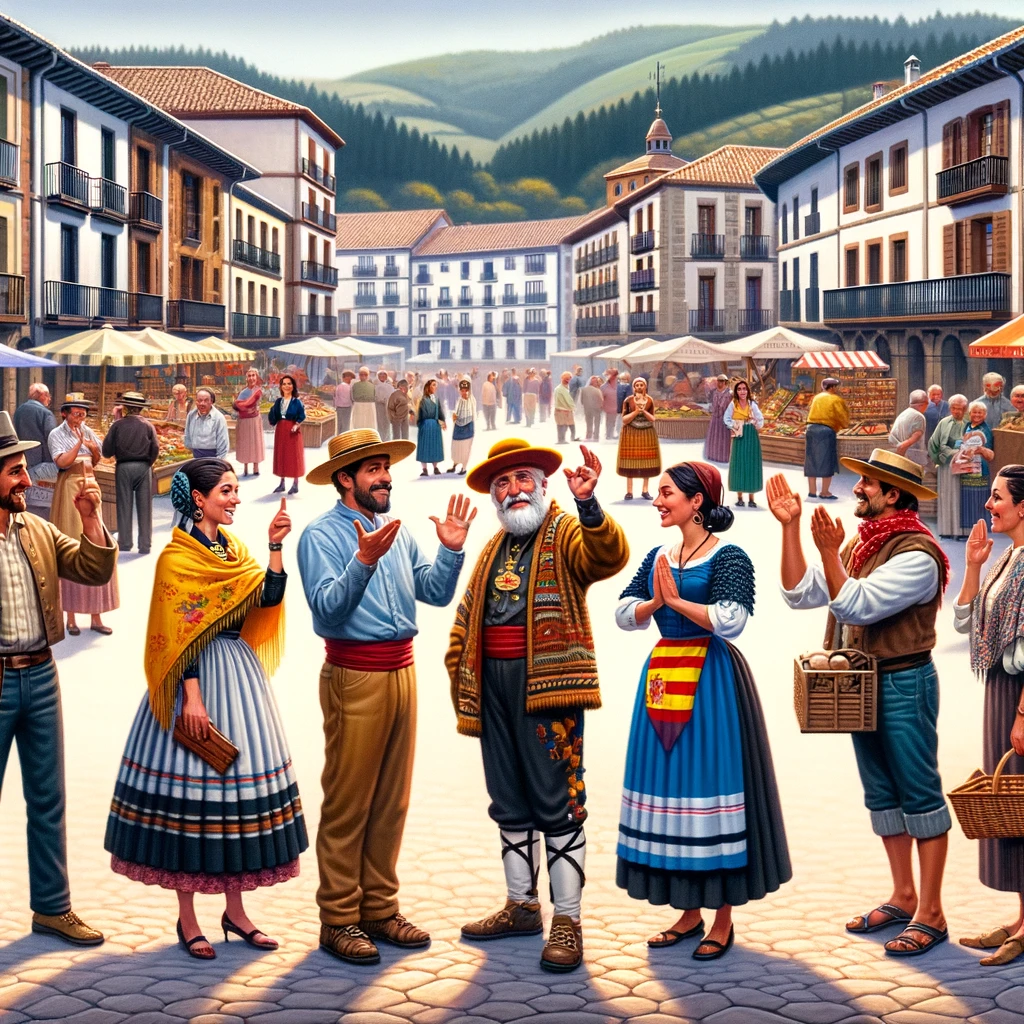
Spain’s regional slang is a mosaic of expressions that paints a vivid picture of its diverse culture and history. Each region contributes its own flavor, making the Spanish language a dynamic and evolving entity. Understanding these local expressions not only enhances communication but also deepens one’s appreciation for the rich cultural tapestry of Spain.
Canary Islands: A Tropical Twist
The Canary Islands, with their tropical climate and unique history, have developed a distinct set of slang terms that reflect their island lifestyle.
1. Guagua – Canary Islands
In the Canary Islands, “guagua” is the colloquial term for a bus. This word, distinct from the standard Spanish “autobús,” showcases the influence of Caribbean Spanish, reflecting the islands’ historical connections.
2. Chacho/Chacha – Canary Islands
“Chacho” or “Chacha,” derived from “muchacho/muchacha” (boy/girl), is a friendly way to address someone in the Canary Islands. It’s a term of camaraderie, embodying the islands’ relaxed and welcoming vibe.
The Influence of History and Geography
The regional slang in Spain is not just a product of contemporary trends but also a reflection of the country’s diverse history and geography. For instance, the Arabic influence in Andalusia, the Celtic roots in Galicia, and the Roman heritage in Castile and León have all left their mark on the local dialects and slang.
Slang in Spain’s Autonomous Communities
Spain’s autonomous communities, like Catalonia, the Basque Country, and Galicia, have their own official languages alongside Spanish. This bilingualism has led to interesting slang crossovers and expressions unique to these regions.
1. Txoko – Basque Country
In the Basque Country, a “txoko” is a gastronomical society where people come together to cook, eat, and socialize. This term epitomizes the Basque culture’s emphasis on community and culinary excellence.
2. Teclear – Catalonia
In Catalonia, “teclear” (to type) has taken on the meaning of texting or messaging on a phone, reflecting the tech-savvy nature of the region.
3. Morriña – Galicia
In Galicia, “morriña” is a term that describes a deep longing or homesickness, especially for the Galician landscape and way of life. It’s a sentiment deeply rooted in the Galician soul.
Slang as a Bridge to Cultural Understanding
Learning regional slang is not only about adding fun phrases to your vocabulary; it’s about connecting with people on a deeper level. Slang opens doors to understanding the local humor, traditions, and way of life, making your experience in Spain more authentic and enriching.
The Ever-Changing Nature of Slang
Slang is dynamic and constantly evolving. What might be a popular phrase in Madrid today could be replaced by a new expression tomorrow. This ever-changing nature makes slang a fascinating area of study for linguists and language enthusiasts alike.
Embracing Regional Differences
As you travel through Spain, embracing the regional differences in language is a way to fully experience the country’s diversity. Whether you’re enjoying a “poteo” in Navarre, engaging in “cachondeo” in Andalusia, or being part of a “colla” in Valencia, these expressions become part of your journey.
Conclusion
The regional slang of Spain is more than just a collection of quirky words and phrases. It’s a gateway to understanding the heart and soul of different Spanish regions. Each expression tells a story, reveals a piece of history, and captures the essence of the local culture. As language continues to evolve, these regional slangs not only enrich the Spanish language but also serve as a testament to Spain’s rich and varied cultural heritage. So next time you find yourself conversing with locals, sprinkle your dialogue with some regional slang and watch as the words bring you closer to the heart of Spain’s vibrant culture.