

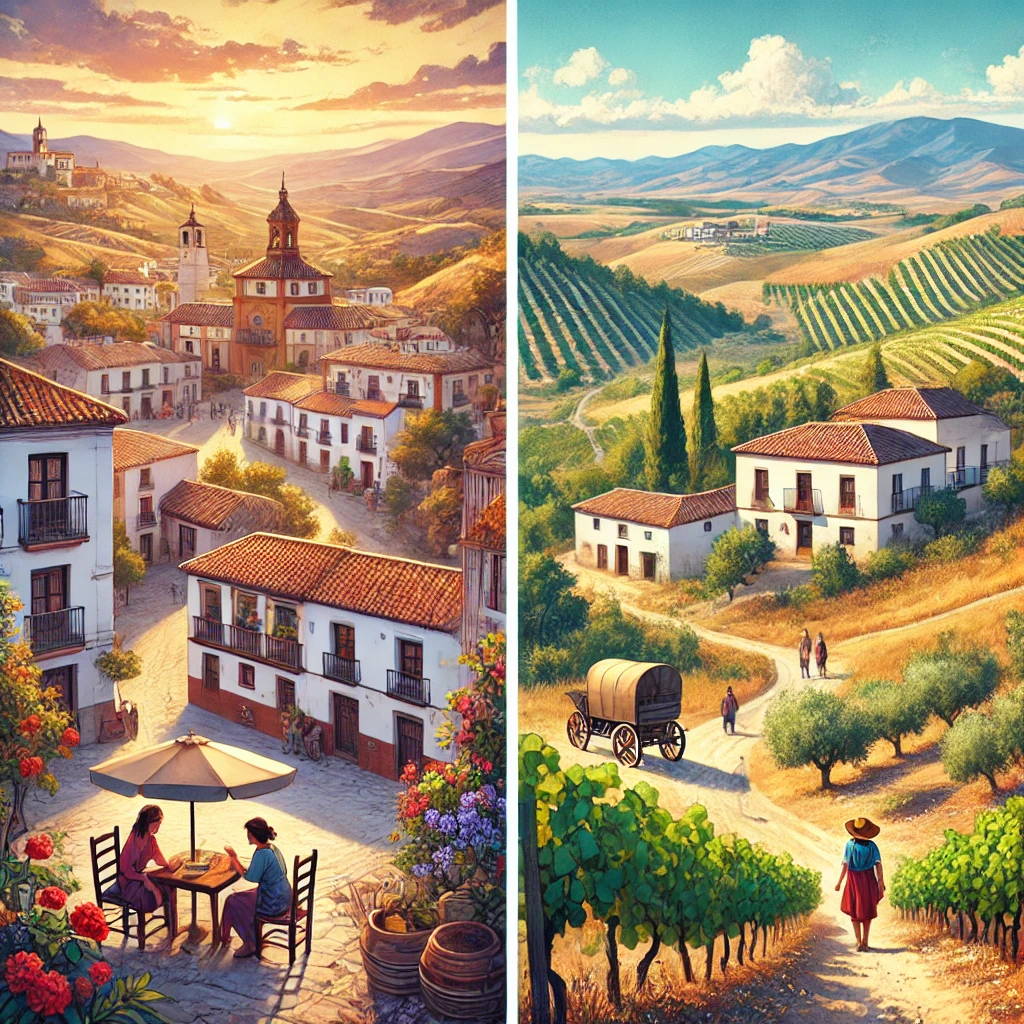
Traveling through rural Spain is a journey filled with picturesque landscapes, quaint villages, and a rich tapestry of culture and tradition. Whether you are weaving through the rolling hills of Andalusia, exploring the rugged terrain of Asturias, or wandering the serene valleys of La Mancha, mastering some essential vocabulary can significantly enhance your experience. Understanding and utilizing thematic vocabulary not only aids in communication but also helps in enriching your cultural immersion. This guide will introduce you to important words and phrases you need to know when traveling through the charming countryside of Spain.
By focusing on thematic vocabulary specific to rural travel, you can ensure that you navigate local customs, dining experiences, and recreational activities with ease. Knowing how to ask for directions, order local delicacies, or engage in small talk with the friendly locals will make your adventure more enjoyable and less daunting. This article aims to equip you with a vocabulary arsenal that will be invaluable on your rural Spanish escapade.
Beyond mere convenience, learning thematic vocabulary related to travel can open doors to deeper connections and more authentic experiences. Whether you are a solo traveler, a family in search of a unique holiday, or an adventurous duo, this guide will provide the linguistic tools necessary to make your journey through rural Spain unforgettable. Let’s dive in and start learning the words and phrases that will transform you from a tourist into a traveler.
Accommodation Vocabulary
One of the first aspects of travel you’ll need to navigate is accommodation. Rural Spain offers a variety of lodging options, from traditional farmhouses to cozy bed and breakfasts. Here are some essential terms to know:
- Alojamiento (Accommodation): This is the general term for any type of lodging.
- Casa Rural: A rural house, often used as a vacation rental.
- Pensión: A small, usually family-run lodging, akin to a guesthouse.
- Hostal: A more affordable type of accommodation similar to a hostel but can also refer to a budget-friendly hotel.
- Habitación (Room): The term for a bedroom or hotel room.
- Desayuno incluido (Breakfast included): A common term to check if breakfast is part of your stay.
- Baño compartido (Shared bathroom): Indicates that the bathroom is shared with other guests.
Knowing these terms will help you in booking your stay, checking in, and understanding the amenities offered. It’s always good to ask, “¿Está incluido el desayuno?” (Is breakfast included?) or “¿Tiene baño privado?” (Does it have a private bathroom?) to ensure you know exactly what you’re getting.
Dining and Food Vocabulary
Food is a cornerstone of Spanish culture, and rural Spain is no exception. Each region boasts unique dishes and local specialties that you won’t want to miss. To fully enjoy the gastronomic delights, familiarize yourself with these terms:
- Restaurante (Restaurant): The place where you’ll be enjoying your meals.
- Bar: In Spain, a bar often serves food and drinks, not just alcohol.
- Carta (Menu): The list of dishes available.
- Tapas: Small dishes or appetizers typically shared among diners.
- Plato principal (Main dish): The main course of a meal.
- Postre (Dessert): Sweet dishes served at the end of a meal.
- Bebida (Drink): Any kind of beverage, from water to wine.
When ordering food, you might want to ask, “¿Qué me recomienda?” (What do you recommend?) to get a sense of the local favorites. If you have dietary restrictions, phrases like “Soy vegetariano/a” (I am vegetarian) or “¿Tiene opciones sin gluten?” (Do you have gluten-free options?) will be useful.
Transportation Vocabulary
Exploring rural Spain often requires some form of transportation, whether you’re renting a car or using local buses. Here are key terms to help you get around:
- Coche (Car): A car is essential for getting to remote areas.
- Autobús (Bus): Buses are a common form of rural transportation.
- Parada de autobús (Bus stop): Where you’ll wait for the bus.
- Gasolinera (Gas station): Where you’ll refuel your car.
- Alquiler de coches (Car rental): The service where you can rent a car.
- Conductor (Driver): The person driving the vehicle.
To ask for directions, “¿Cómo llego a…?” (How do I get to…?) will be very helpful. If renting a car, knowing “¿Dónde está la gasolinera más cercana?” (Where is the nearest gas station?) can save you from running out of fuel in a remote area.
Local Culture and Interaction Vocabulary
Interacting with locals can be one of the most rewarding aspects of your trip. Knowing the right words and phrases can facilitate these interactions:
- Pueblo (Village): You’ll often be visiting small towns or villages.
- Mercado (Market): Local markets are great for fresh produce and crafts.
- Fiesta: Festivals and fiestas are common and vibrant in rural Spain.
- Costumbre (Custom): Understanding local customs, like siesta (afternoon nap), can enhance your experience.
- Amable (Friendly): Describes the typical personality of locals you’ll meet.
Being polite will go a long way. Phrases like “Gracias” (Thank you), “Por favor” (Please), and “Disculpe” (Excuse me) are always appreciated. If you’re interested in learning more about local culture, asking “¿Qué tradición es esta?” (What tradition is this?) can lead to interesting conversations.
Nature and Outdoor Vocabulary
Rural Spain is a paradise for nature lovers. You’ll find beautiful landscapes, hiking trails, and parks that offer countless outdoor activities. Key vocabulary includes:
- Montaña (Mountain): Many rural areas are mountainous.
- Sendero (Trail): Trails for hiking or walking.
- Bosque (Forest): Forested areas that are perfect for exploration.
- Lago (Lake): Freshwater bodies often found in the countryside.
- Reserva natural (Nature reserve): Protected areas that conserve local wildlife and flora.
Before setting out, it’s wise to ask the locals, “¿Qué ruta me recomienda?” (What route do you recommend?) for the best hiking or scenic views. Whether you are trekking through a nature reserve or relaxing by a lake, having this vocabulary at your disposal will enhance your outdoor adventures.
Shopping and Souvenirs Vocabulary
No trip is complete without bringing home some souvenirs or finding unique local products. Here’s some shopping terminology to know:
- Tiendas (Shops): General term for places where you can buy goods.
- Regalos (Gifts): Souvenirs or gifts to bring home.
- Hecho a mano (Handmade): Indicating products crafted by hand.
- Artesanía (Craft): Local crafts often found at markets.
- Precio (Price): The cost of items.
When shopping, it’s useful to ask, “¿Cuánto cuesta?” (How much does it cost?) and if you’re looking for something specific, “¿Tiene…?” (Do you have…?) can help you find what you’re searching for. Knowing the term “Descuento” (Discount) can also be handy, especially if you’re buying in bulk or during a sale.
Conclusion
Exploring rural Spain is an enriching experience that offers a delightful mix of natural beauty, cultural heritage, and warm hospitality. Equipping yourself with the essential thematic vocabulary can transform your journey, making it smoother and allowing for richer, more meaningful interactions. From booking accommodations to engaging with locals and appreciating the natural landscapes, having the right words at your disposal is invaluable.
As you travel through the serene countryside, remember that language is a bridge to understanding and connection. The more effort you put into learning and using these terms, the more immersive and gratifying your experience will be. Don’t be afraid to make mistakes; locals appreciate the effort and are often more than happy to help you along the way.
Whether you are hiking through the mountainous trails of the Picos de Europa, enjoying a hearty meal in a quaint village in Catalonia, or purchasing handmade crafts from a local market in Galicia, this vocabulary guide aims to be your faithful companion. So pack your bags, set your GPS to rural Spain, and embark on a journey filled with linguistic adventures and unforgettable memories.


