In the heart of Spain, as the midday sun reaches its zenith, a time-honored tradition unfolds – the siesta. Often misunderstood as merely a nap, the siesta is a cultural phenomenon deeply embedded in the Spanish way of life. This article delves into the historical roots, societal implications, and modern adaptations of the Spanish siesta, offering a comprehensive understanding of its role in Spanish culture.
The Historical Origins of the Siesta
Ancient Beginnings
The siesta’s origins can be traced back to ancient times. It was not only a Spanish practice but also prevalent in other hot climates. The word “siesta” comes from the Latin phrase “hora sexta,” which means “the sixth hour” (counting from dawn, thus midday). This period was a time for rest and rejuvenation, especially in agrarian societies where early morning and late afternoon were prime times for labor-intensive work.
Adoption in Spain
In Spain, the siesta became more structured with the advent of Christianity and the need to align daily activities with religious practices. The scorching afternoon sun made it practical for workers to rest during the hottest part of the day. Over time, this evolved into a cultural norm, shaping the daily rhythm of life in Spain.
The Siesta and Spanish Culture
A Social and Family Time
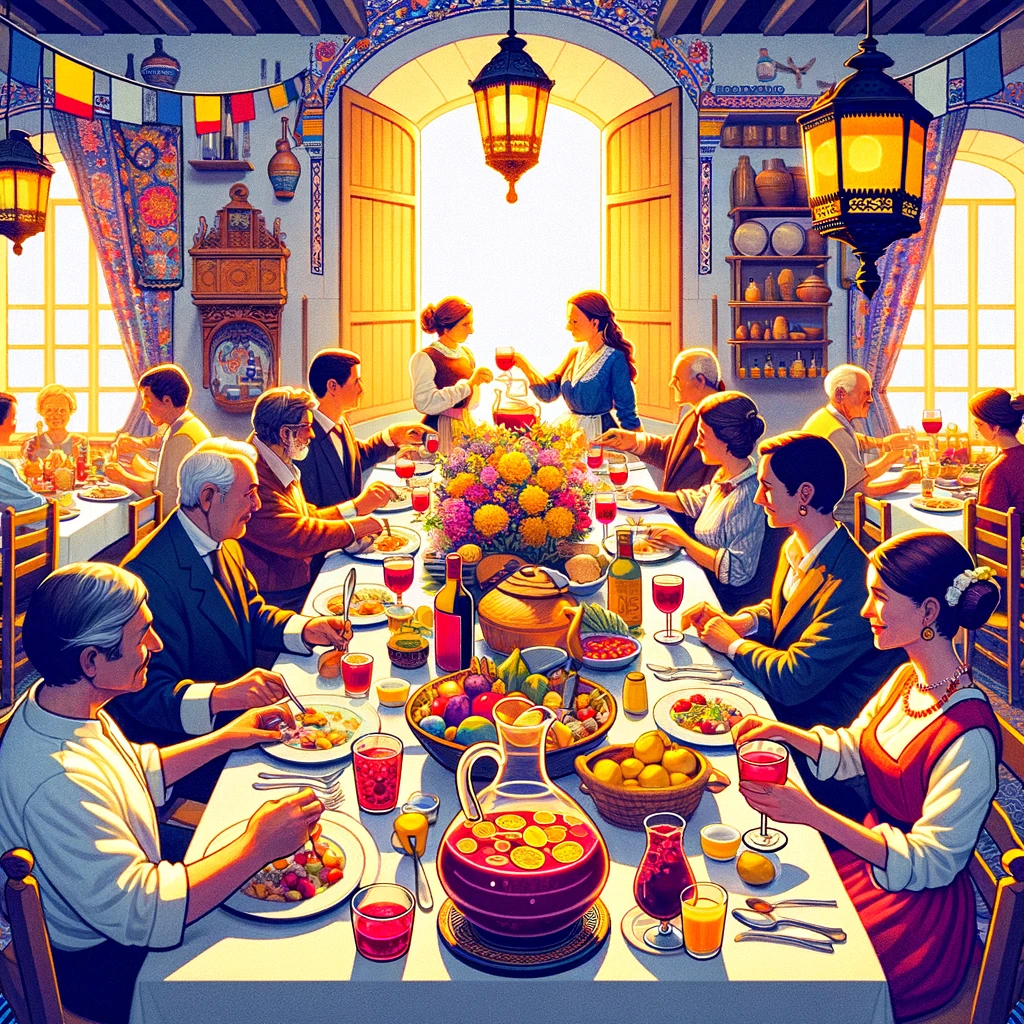
Contrary to popular belief, the siesta is not solely about sleep. It’s a period of relaxation and socialization. Families gather for the main meal of the day, enjoying each other’s company. This communal aspect strengthens family bonds and provides a much-needed break from the hustle and bustle of daily life.
Health Benefits
The health benefits of the siesta have been a subject of interest. Studies suggest that a short nap can improve cognitive function, reduce stress, and even lower the risk of heart disease. In a society known for late-night activities, the siesta offers a unique way to balance the day.
Impact on Business and Productivity
The siesta traditionally leads to a split workday, with businesses closing in the afternoon and reopening in the evening. This practice, while seemingly counterproductive, aligns well with the Spanish emphasis on work-life balance. However, in modern times, this aspect of the siesta has seen significant changes.
Modern Adaptations of the Siesta
Urban Versus Rural Differences
In Spain’s bustling cities, the traditional siesta is evolving. The demands of a globalized economy and modern work schedules have led to a shortened or even skipped siesta in urban areas. Conversely, in rural Spain, the tradition remains more intact, reflecting a slower pace of life.
The Siesta in Contemporary Work Culture
The Spanish government and some businesses have experimented with alternatives to the traditional siesta schedule. These include adopting a more condensed workday without a long break in the afternoon, aiming to increase productivity and align with international business hours.
Tourism and the Siesta
Tourists often encounter the siesta as a charming yet sometimes frustrating aspect of Spanish culture. While it adds to the country’s allure, visitors must adapt to the altered business hours and slower pace of life during the siesta.
Etiquette and Tips for Enjoying the Siesta
Understanding Business Hours
For travelers, it’s crucial to plan around the siesta. Many shops and services close in the early afternoon, so it’s advisable to conduct important business in the morning or late afternoon.
Participating in the Siesta
If you’re in Spain, embrace the siesta by slowing down. Whether you choose to nap, enjoy a leisurely meal, or simply relax, immersing yourself in this tradition can be a refreshing experience.
Respecting the Quiet Time
During the siesta, many communities expect a level of quietness. This is especially true in residential areas, where locals may be resting. Being mindful of noise levels is a sign of respect for the local customs.
The Siesta in Literature and Art
The siesta has been immortalized in Spanish literature and art, reflecting its significance in the cultural psyche. Famous works by Spanish artists and writers often depict scenes of leisurely afternoons and family gatherings, encapsulating the essence of the siesta.
The Spanish siesta is more than just a midday nap; it’s a cultural institution that embodies the values of family, relaxation, and balance. As Spain navigates the challenges of modernization, the siesta continues to evolve, yet its spirit remains a defining aspect of Spanish life.

The Future of the Siesta
Adapting to a Changing World
As Spain continues to modernize and globalize, the future of the siesta remains a topic of debate. While some view it as an outdated practice incompatible with the demands of contemporary life, others see it as an indispensable part of Spanish heritage. The challenge lies in finding a balance that respects tradition while embracing progress.
The Siesta in a Digital Age
With the rise of remote work and digital communication, the siesta might find a new place in Spanish society. It offers a natural break in the workday that could enhance productivity and well-being, even in a digital context.
Preserving the Siesta for Future Generations
There is a growing recognition of the need to preserve cultural traditions like the siesta. Educational programs and cultural initiatives are being developed to teach younger generations about the siesta’s history and importance, ensuring its survival in some form.
Siesta-Inspired Practices Around the World
The concept of a midday break is not unique to Spain. Many cultures have similar traditions, such as the Italian “riposo” or the Greek “mesimeri.” These practices underline a universal understanding of the importance of rest and balance in daily life. The global interest in mindfulness and well-being has led to a renewed interest in siesta-like practices worldwide.
The Role of the Siesta in Spanish Identity
A Symbol of Spanish Life
The siesta is often used as a symbol to represent Spanish culture. It speaks to the values of taking time to enjoy life, prioritizing family and community, and maintaining a healthy work-life balance. These values continue to attract people to Spanish culture and influence perceptions of Spain around the world.
The Siesta and Spanish Nationalism
In recent years, the siesta has also been embraced as a point of national pride. It represents a unique aspect of Spanish identity that distinguishes it from other cultures. In a world that often values constant activity and productivity, the siesta stands as a reminder of the importance of rest and relaxation.
Navigating Cultural Misconceptions
Beyond the Stereotypes
The siesta is often misunderstood or stereotyped as laziness. It’s essential to move beyond these misconceptions and recognize the siesta as a complex cultural practice with deep historical roots and significant societal benefits.
Educating the Global Community
Through education and cultural exchange, misconceptions about the siesta can be corrected. By presenting the siesta in its full cultural context, Spain can share this aspect of its heritage more accurately and meaningfully with the world.
The Siesta in Contemporary Spanish Media
In film, television, and online media, the siesta is often portrayed in a variety of ways, reflecting its evolving role in society. These portrayals can influence both domestic and international perceptions of the tradition, playing a critical role in its contemporary understanding.
Siesta and Sustainability
A Model for Sustainable Living
The siesta offers a model for sustainable living. It encourages a slower pace of life and a reduction in energy consumption during the hottest part of the day, aligning with environmental sustainability goals.
The Siesta and Mental Health
In an age where mental health is increasingly recognized as critical to overall well-being, the siesta provides a built-in opportunity for mental rest and recuperation, highlighting its relevance in contemporary discussions about health and wellness.
Conclusion
The Spanish siesta, a tradition steeped in history and rich with cultural significance, continues to play a vital role in Spanish life. As Spain navigates the complexities of the modern world, the siesta remains a symbol of the country’s commitment to balance, family, and well-being. Understanding the siesta is essential to understanding Spain itself, as it embodies the nation’s past, shapes its present, and will undoubtedly influence its future.