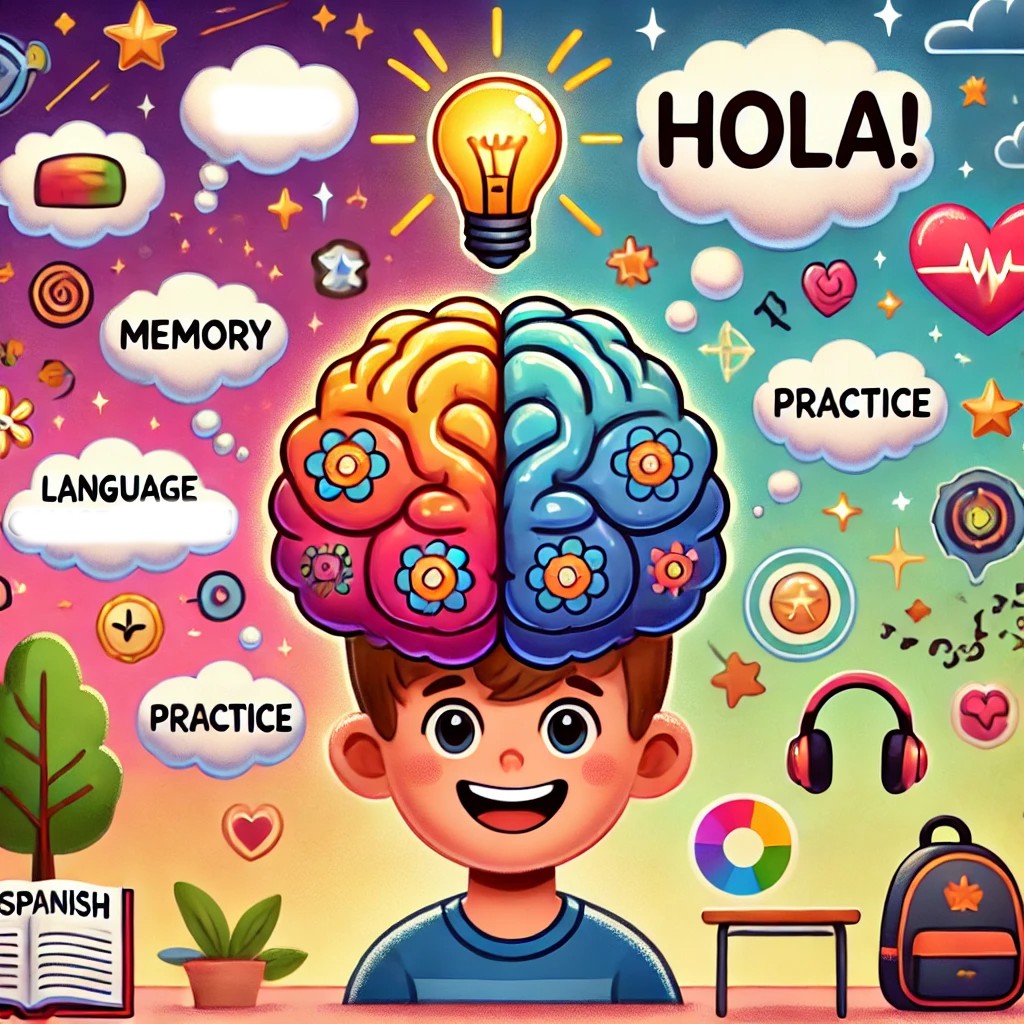
Learning a new language, like Spanish, is an incredibly rewarding journey, but it is not without its challenges. It takes time, effort, and consistent practice to gain fluency in any language. The most significant obstacle many learners face is staying motivated throughout the process. Initial enthusiasm can wane as studying becomes routine and progress appears slow. Understanding the psychology behind language learning can be instrumental in maintaining motivation and ensuring continuous progress.
In this article, we delve into the psychology of language learning with a specific focus on staying motivated in Spanish studies. We’ll explore various strategies and techniques to keep your motivation levels high, even during the tough times. From setting SMART goals to incorporating fun and engaging activities, this comprehensive guide will provide you with the tools you need to keep your Spanish studies on track.
Whether you’re a beginner just starting out or an advanced learner looking to polish your skills, this article aims to make your language learning journey smoother and more enjoyable. Let’s dive in and explore the key psychological aspects and motivators that can help you stay committed to your Spanish learning goals.
Intrinsic vs. Extrinsic Motivation
Understanding the difference between intrinsic and extrinsic motivation is central to developing a sustainable study routine. Intrinsic motivation stems from a genuine interest and enjoyment in the task itself. For example, you might feel intrinsically motivated to learn Spanish because you find the language fascinating or you have a deep appreciation for Spanish culture. This type of motivation tends to be more enduring and effective over the long term.
Extrinsic motivation, on the other hand, is driven by external rewards or pressures. You might be learning Spanish to fulfill a job requirement, to improve your resume, or to pass a standardized test. While extrinsic motivators can be powerful, they often don’t maintain their influence as long as intrinsic motivators do.
For a robust and sustainable language learning journey, it’s beneficial to nurture intrinsic motivation while acknowledging and utilizing extrinsic motivators as necessary. Try to find personal reasons that make learning Spanish enjoyable beyond external rewards. Reflect on what aspects of the language and culture you genuinely enjoy and focus on these to sustain your intrinsic motivation.
Setting SMART Goals
Goal setting is a fundamental part of staying motivated. SMART goals—Specific, Measurable, Achievable, Relevant, and Time-bound—are an effective way to maintain focus and track progress. By setting clear and detailed objectives, you can measure your advancements more accurately and adjust your learning strategies as needed.
For instance, instead of setting a vague goal like “I want to be fluent in Spanish,” break it down into more specific and manageable objectives. A SMART goal could be “I will learn 50 new Spanish vocabulary words related to travel within the next two weeks.” This goal is specific (focused on travel vocabulary), measurable (you can count the words), achievable (50 words in two weeks is reasonable), relevant (it may pertain to an upcoming trip), and time-bound (you have a two-week deadline).
Regularly reviewing and adjusting your goals based on your progress can keep your motivation levels high and provide a sense of accomplishment as you meet each milestone. This approach can help you maintain a clear focus and make your Spanish learning experience more structured and productive.
The Power of Positive Reinforcement
Positive reinforcement is a psychological concept that involves rewarding yourself for making progress, thereby encouraging continued effort and achievement. This can be a very effective tool in maintaining motivation during your Spanish studies.
Every time you reach a milestone or accomplish a goal, reward yourself with something enjoyable. It could be a small treat, a break to watch a favorite show, or even a day off from studying. Celebrating your achievements, no matter how small, can provide a significant motivational boost and make the learning process more enjoyable.
Keep a record of your accomplishments to visualize your progress. This can be in the form of a journal, a progress chart, or a digital app. Seeing how far you’ve come can remind you of your capabilities and keep you motivated to push through challenges.
Using Engaging Materials and Methods
A monotonous study routine can quickly sap your enthusiasm. Incorporating a variety of engaging and interactive materials can keep your study sessions exciting and enjoyable. Consider using multimedia resources like videos, podcasts, music, and apps that make learning more dynamic.
Platforms like Duolingo, Rosetta Stone, or FluentU offer interactive lessons that can make studying less of a chore and more of an engaging activity. Additionally, watching Spanish movies, listening to Spanish music, or following Spanish-speaking YouTubers can provide a fun and immersive learning experience.
Engage in activities that put your language skills to practical use. Join Spanish-speaking clubs, participate in language exchange programs, or travel to Spanish-speaking countries if possible. These real-life applications can reinforce your learning and make the process more meaningful and enjoyable.
Building a Support System
A strong support system can significantly impact your motivation and overall success in learning Spanish. Surround yourself with people who share your interest in the language, such as friends, family, or fellow students. They can offer encouragement, advice, and even study companionship when you need it.
Join online communities and forums where you can connect with other Spanish learners. Websites like Reddit, language learning forums, or social media groups can be a great place to share experiences, seek advice, and stay motivated by interacting with others on the same journey.
Consider finding a language exchange partner or a study buddy who can provide mutual support and accountability. Having someone to practice with can make learning more interactive and provide valuable feedback on your progress.
The Importance of Routine and Consistency
Consistency is key when learning a new language. Establishing a regular study routine can help embed Spanish learning into your daily life, making it less likely to be neglected. Aim to study a little bit each day rather than cramming infrequent, extended sessions.
Identify the times of day when you are most alert and focused, and dedicate these periods to your Spanish studies. Whether it’s early in the morning or late at night, having a specific time set aside for studying can make it a habitual part of your routine.
Incorporate Spanish into your daily activities. Label household items with their Spanish names, think in Spanish, or try to translate your thoughts throughout the day. Small, consistent efforts can cumulatively contribute to significant progress over time.
Conclusion
Maintaining motivation in your Spanish studies involves understanding the psychological principles that influence learning. Recognizing the importance of intrinsic and extrinsic motivation, setting SMART goals, employing positive reinforcement, using engaging materials, building a supportive environment, and establishing a consistent routine are all key strategies that can help keep your motivation levels high.
Remember, learning a language is a marathon, not a sprint. There will be days when you feel stuck or unmotivated, but with the right strategies and a positive mindset, you can navigate these challenges and continue to make progress. Celebrate your achievements, no matter how small, and keep your end goals in sight.
By integrating these psychological insights and techniques into your language learning routine, you can ensure a more enjoyable and effective journey towards Spanish fluency. Stay motivated, keep pushing forward, and most importantly, enjoy the process!