
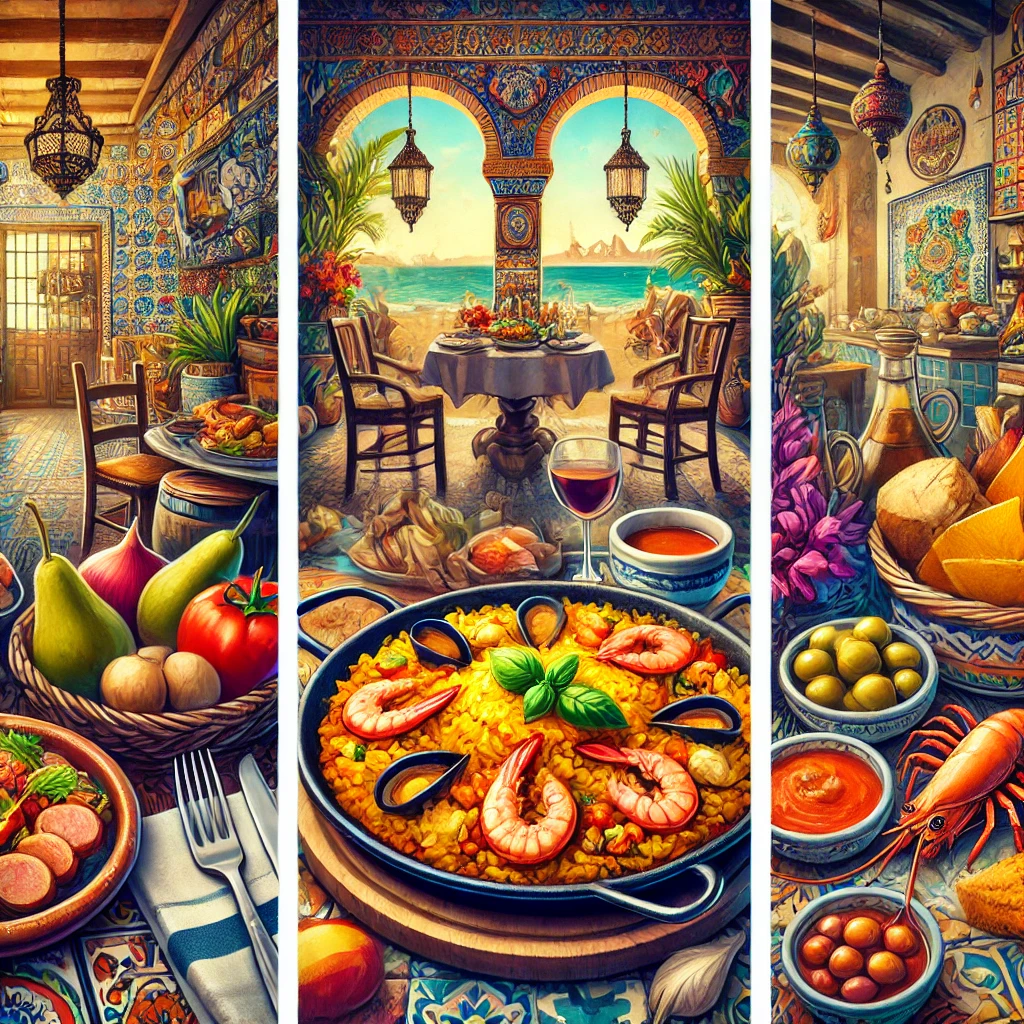
Spain is known for its vibrant culture, scenic landscapes, and a language that is as rich and spicy as its culinary offerings. Spanish cuisine is a colorful palette of flavors, aromas, and textures, embodying the country’s history, geographical diversity, and the genial spirit of its people. Simultaneously, the Spanish language, one of the most spoken in the world, reflects the same vivacity and character found in its food. This article explores the intrinsic link between Spanish cuisine and language, demonstrating how food can be a delightful gateway to learning Spanish, enhancing both your linguistic skills and culinary expertise.
Imagine walking through the bustling streets of Madrid or Barcelona, where food markets overflow with an array of vibrant ingredients. Tapas bars entice with savory bites that narrate stories of their own. Each dish has a name, and every name is an entryway into a rich linguistic tradition. As you savor a plate of “paella,” you are not just eating; you are learning about the traditions of Valencia, picking up local dialect nuances, and appreciating the regional variety that makes the Spanish language so dynamic.
For language learners, diving into Spanish cuisine provides a practical and enjoyable context for vocabulary building. Whether it’s following recipes, ordering food in a restaurant, or discussing ingredients and cooking methods, incorporating culinary experiences into language learning can make the process more engaging and intuitive. This immersive approach marries the sensory pleasures of eating with the intellectual joy of language acquisition, making every meal an opportunity for education.
The Historical Roots of Spanish Cuisine
Understanding the historical evolution of Spanish cuisine can significantly enhance your appreciation of its flavors and the language intertwined with it. Spain’s culinary traditions have been influenced by a wide array of cultures over the centuries. The Romans introduced olive oil and wine, key components in Spanish cooking. The Moors, who ruled parts of Spain for nearly 800 years, left a lasting impact with their introduction of spices, rice, and sugarcane, all of which remain staples in Spanish kitchens today.
This cultural amalgamation is reflected in the language as well. Words like “aceituna” (olive) and “arroz” (rice) stem from Arabic origins, bearing testament to the rich cultural interchanges of the past. Learning these words not only enhances your vocabulary but also gives you a historical perspective, enriching your overall understanding of both the language and the food.
Furthermore, the Spanish conquest of the Americas brought new ingredients such as tomatoes, potatoes, and chocolate to Europe, revolutionizing the continent’s cuisine. These ingredients quickly became integral to Spanish recipes. For instance, the beloved “tortilla española” (Spanish omelette), which seems quintessentially Spanish, uses potatoes, an ingredient native to the Americas. Thus, exploring these historical connections can help build contextual understanding, making vocabulary retention easier and more meaningful.
Regional Variations in Spanish Cuisine and Language
Spain’s regional diversity is a treasure trove for both food enthusiasts and language learners. From Galicia’s seafood-rich dishes to Andalusia’s Moorish-inspired cuisine, each region offers a distinct culinary and linguistic experience. This diversity provides a fantastic opportunity to learn various Spanish dialects and regional vocabulary that are intricately linked to local culinary traditions.
In the Basque Country, for example, “pintxos” are a popular form of tapas, and mastering the vocabulary associated with this mini-gastronomy can be quite rewarding. Similarly, Catalonia boasts of “escudella,” a hearty meat stew that offers a lexicon of new words to explore. By familiarizing yourself with these regional specialties, you not only expand your culinary skills but also gain insights into the dialectal differences that make Spanish so fascinating.
Traveling through Spain and engaging with locals about food can further enhance your learning experience. Each interaction offers a chance to practice speaking, listening, and understanding regional accents and slang. Ordering “gazpacho” in Andalusia or “fabada” in Asturias turns into an immersive language lesson, making learning organic and enjoyable.
The Role of Food in Social Interactions
In Spain, food is more than sustenance; it is an integral part of social interactions and cultural identity. Spanish meals are communal affairs, often involving extended family and friends, and are characterized by lively conversation. Embracing this aspect can significantly boost your conversational skills and cultural understanding.
Participating in traditional Spanish dining customs, such as “la sobremesa,” the practice of lingering at the table after a meal to chat, allows you to absorb colloquial expressions and everyday language in a natural setting. This practice offers a real-world application for learning idiomatic expressions and phrases that are seldom found in textbooks.
Moreover, food-centered events like “fiestas” and “ferias” are excellent opportunities to immerse yourself in the culture. These gatherings often feature local dishes and provide a platform for engaging with native speakers, enhancing your listening and speaking skills. By discussing food preferences, recipes, and cooking methods, you build practical vocabulary and develop a deeper connection to the language and the people.
Cooking Classes and Language Learning
Enrolling in a Spanish cooking class is another effective way to combine culinary and linguistic education. Many language schools in Spain and other Spanish-speaking countries offer cooking classes as part of their curriculum, creating an immersive learning environment. These classes are designed to integrate language instruction with cooking techniques, making the learning process hands-on and interactive.
In a cooking class, you not only learn how to prepare traditional Spanish dishes but also pick up relevant vocabulary and phrases. Instructions, ingredient lists, and cooking methods are all delivered in Spanish, helping you develop practical language skills. Additionally, interacting with instructors and fellow students in Spanish fosters communication and comprehension abilities.
Online cooking classes and virtual experiences can also be beneficial if traveling isn’t feasible. Many platforms offer classes hosted by native Spanish speakers, providing the same immersive experience from the comfort of your home. Engaging in these classes allows you to hone your language skills while mastering new recipes, creating a dual learning experience that is both enjoyable and educational.
Using Recipes to Enhance Vocabulary
Recipes are an excellent resource for language learners. They are rich in specific vocabulary related to food, measurements, and cooking techniques, offering a practical way to expand your lexicon. Translating recipes from Spanish to your native language—or vice versa—can improve your understanding of grammatical structures and usage.
Start by selecting simple recipes and gradually progress to more complex ones as your confidence grows. Pay attention to verbs commonly used in cooking, such as “mezclar” (to mix), “hervir” (to boil), and “freír” (to fry), as well as nouns for ingredients and kitchen tools. This targeted vocabulary practice is not only useful in the kitchen but also enhances your overall language proficiency.
Cooking the dishes you learn about provides a multisensory experience, aiding retention and recall. It allows you to connect words with actions and objects, making the vocabulary more memorable. Sharing these dishes with friends or family and discussing the recipes in Spanish can further solidify your learning and make the process more enjoyable.
Conclusion
Exploring Spanish cuisine and its connection to the language is a delightful and effective way to enhance your learning journey. The rich history, regional diversity, and social significance of Spanish food offer numerous opportunities for linguistic and cultural immersion. By engaging with culinary traditions, participating in social dining experiences, enrolling in cooking classes, and using recipes as learning tools, you can make language learning more interactive and enjoyable.
As you delve into the flavors and aromas of Spanish cuisine, you’ll find that the language comes alive in new and exciting ways. Every dish tells a story, every recipe is a lesson, and every meal an adventure in both taste and language. This approach not only makes learning Spanish more accessible but also enriches your overall cultural experience, allowing you to connect with the Spanish-speaking world on a deeper level.
So, whether you’re a seasoned language learner or just starting your journey, consider incorporating Spanish cuisine into your studies. It’s a delicious connection that promises not only to tantalize your taste buds but also to enhance your language skills and cultural understanding. ¡Buen provecho y feliz aprendizaje!


