
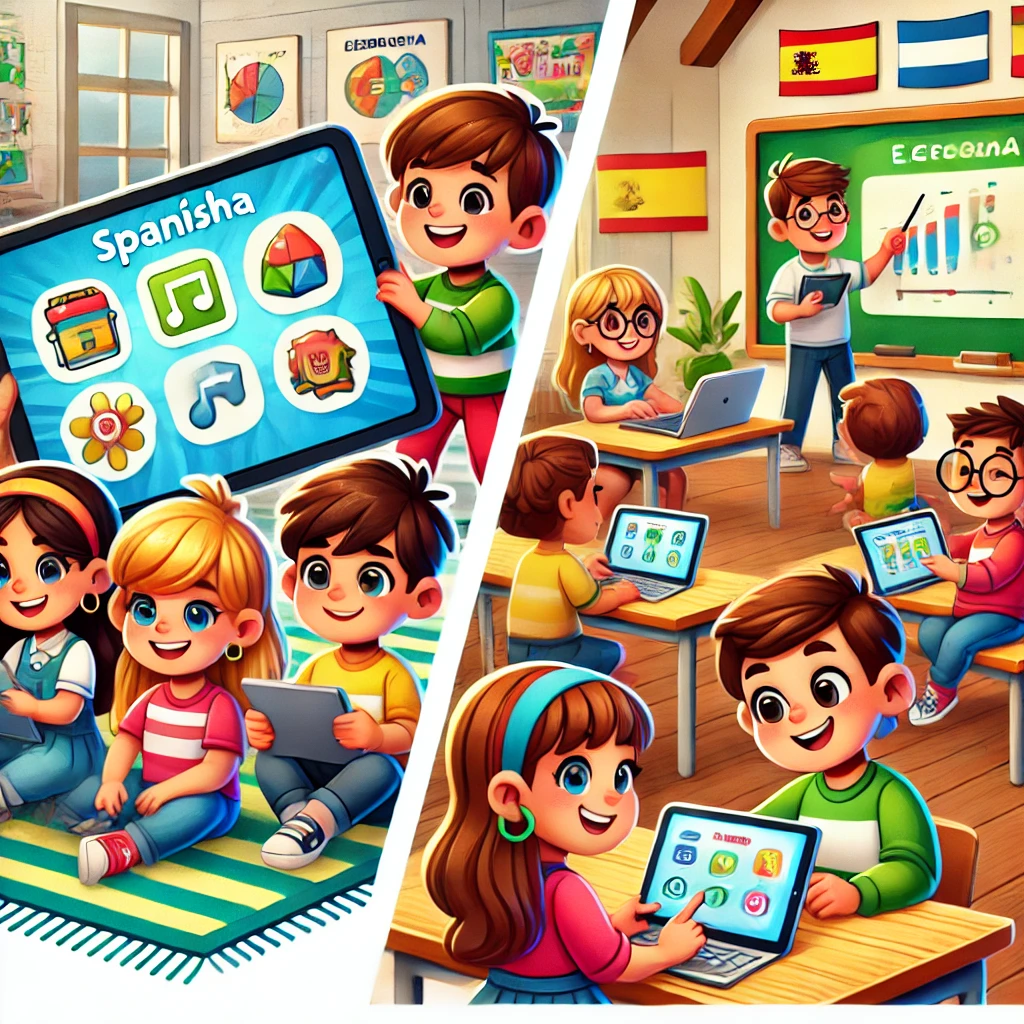
Welcome to the ultimate guide for parents, educators, and anyone eager to introduce children to the joys of the Spanish language. Learning a new language early in life holds numerous benefits, from cognitive advantages to cultural awareness. If you aim to help your child become bilingual in Spanish, you’re in the right place. Here, we’ll explore the best resources currently available for kids to learn Spanish in a fun, engaging, and effective manner.
Introduction
Spanish, a language spoken by over 460 million people globally, is not only a practical skill but also a gateway to diverse cultures and traditions. Introducing children to Spanish at a young age can significantly boost their linguistic abilities, cognitive skills, and even academic performance in other subjects. However, finding the right resources can be overwhelming given the multitude of options. This article aims to provide a comprehensive roadmap, highlighting top-notch books, apps, websites, and educational programs specifically designed for young learners. By choosing the appropriate resources, you can turn the process of learning Spanish into an enjoyable and enriching experience for your child.
Books: Foundation of Language Learning
Books remain one of the most effective tools for language learning, especially for children. Picture books, storybooks, and bilingual books can spark an interest in the Spanish language while simultaneously building vocabulary and grammar skills. Among the best offerings are:
- “La Oruga Muy Hambrienta” (The Very Hungry Caterpillar) by Eric Carle
- Translated into Spanish, this beloved classic is perfect for introducing young readers to basic vocabulary and sentence structure.
- “Mis Primeros 100 Palabras en Español” (My First 100 Words in Spanish)
- This book caters to toddlers and preschoolers, helping them learn simple and useful vocabulary through engaging pictures.
- “Don Quijote para Niños” (Don Quixote for Kids) by Rosa Navarro Durán
- This adaptation of the iconic Spanish novel makes a great addition for older children, blending literary culture with language learning.
Integrating reading time into daily routines can make a significant difference in language acquisition. Choose age-appropriate books to maintain interest and ensure they understand the content.
Apps: Interactive and Engaging Learning
In today’s digital age, apps are an invaluable resource for teaching languages. Children often find them more engaging due to their interactive nature. Here are some top-rated apps for learning Spanish:
- DuoLingo
- DuoLingo offers game-like lessons that keep kids motivated with points and rewards. Its structured approach makes learning systematic and enjoyable.
- Gus on the Go
- Gus on the Go is specifically designed for children, featuring animated stories and vocab lessons that are both fun and educational.
- Endless Spanish
- This app combines lovable characters with entertaining activities to build vocabulary and comprehension.
Selecting the right app depends on your child’s age and preferences. Ensure the app offers content that is age-appropriate and aligns with their learning pace.
Websites: Wealth of Information and Activities
Numerous websites offer comprehensive resources for learning Spanish. These platforms often include lessons, interactive games, videos, and printable activities that cater to various age groups. Some highly recommended websites are:
- Rockalingua
- Rockalingua provides a mix of songs, games, worksheets, and even karaoke, making it a versatile platform for young learners.
- SpanishDict for Kids
- This site offers kid-friendly translations, vocabulary lists, and engaging practice exercises to reinforce learning.
- 123TeachMe
- With its extensive library of interactive lessons, activities, and games, 123TeachMe is a one-stop-shop for children’s Spanish education.
Using these websites, parents and educators can create a rounded learning experience that covers reading, writing, listening, and speaking skills.
Educational Programs: Classroom and Beyond
Formal educational programs can provide structure and consistency in a child’s language learning journey. Many schools now offer Spanish as part of their curriculum, but additional programs and courses can supplement this learning:
- Rosetta Stone for Kids
- Rosetta Stone’s language programs are renowned for their immersive methods. Their children’s program offers interactive, engaging lessons that can be accessed online.
- Homeschool Spanish Academy
- This program offers live, online classes with native Spanish-speaking teachers, providing personalized and interactive learning experiences.
- BBC Primary Languages Spanish
- BBC’s program includes various fun activities, videos, and interactive games tailored to young learners, making it both educational and entertaining.
These programs can provide the structure and consistency needed to maintain steady progress in language learning, fitting easily into both formal and home-based education setups.
Extracurricular Activities: Real-Life Practice
Real-life application of language skills is crucial for retaining and mastering a new language. Activities beyond books and apps can be a significant booster to enhance learning:
- Language Clubs
- Join local Spanish language clubs or create one in your community or child’s school. Regular interaction with peers can significantly improve conversational skills.
- Cultural Events
- Attending Spanish-speaking cultural events, such as festivals, theatrical performances, and film screenings, can provide immersive experiences.
- Exchange Programs
- Participating in exchange programs or pen-pal initiatives with Spanish-speaking regions can offer practical language use and cultural exchange.
- Family Involvement
- Encourage family conversations in Spanish, set aside specific days for language immersion, and celebrate Spanish traditions and holidays together.
Practicing Spanish in real-life settings is perhaps the most impactful way to solidify a child’s language skills, making learning both natural and enjoyable.
Conclusion
Embarking on the journey of learning Spanish can be a wonderful and enriching experience for children, setting them up with a valuable skill set for the future. By choosing the right blend of resources—be it books, apps, websites, formal programs, or extracurricular activities—you can ensure that your child remains motivated and engaged. Remember that consistency is key, and accompanying them through this journey will make it all the more effective.
Explore and experiment with different resources mentioned in this guide, and observe what excites and engages your child the most. Tailoring the learning experience to their interests and pace can make all the difference in not only how much they learn but also how much they enjoy the process. Happy learning!


