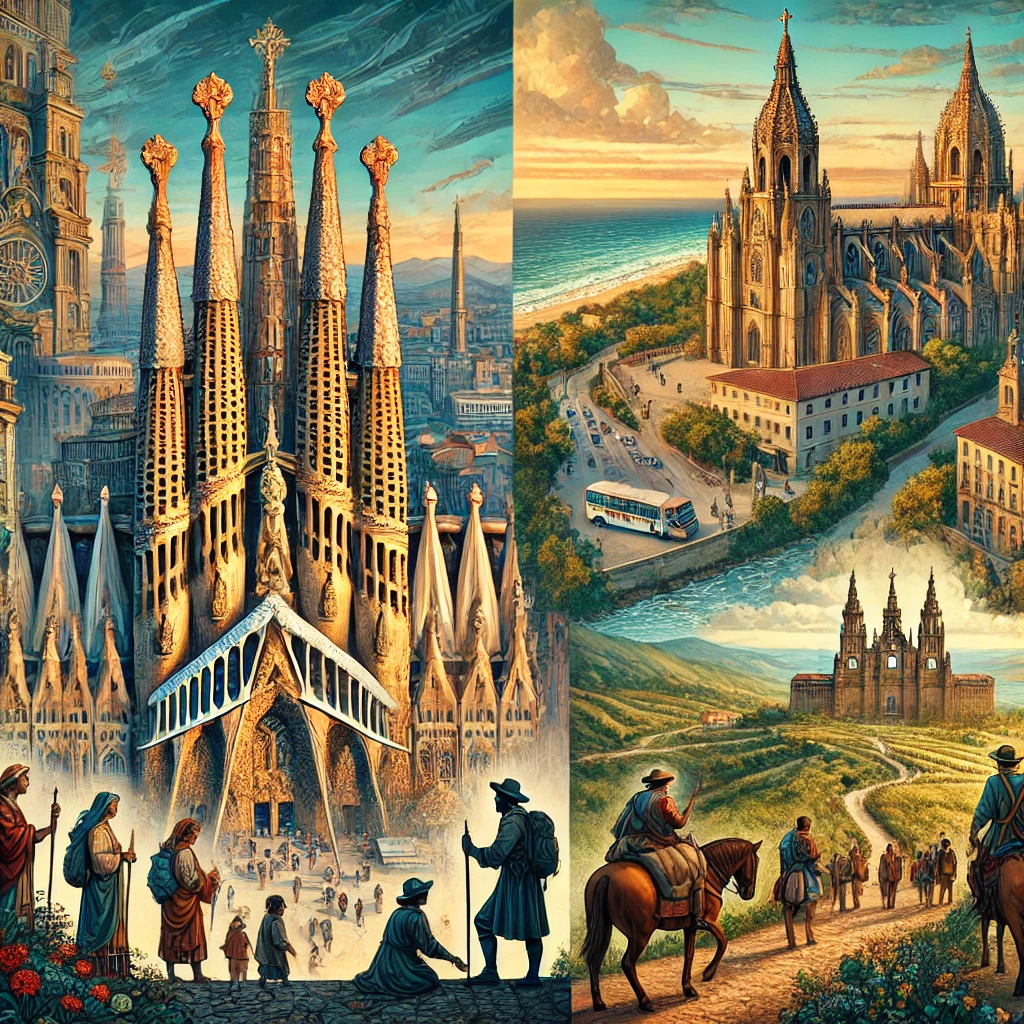
Touring around the world unveils a plethora of new experiences, especially when it involves diving deep into the cultural and religious wonders of a region. Among the diverse languages spoken globally, Spanish stands out not only for its melodious tones but also for its extensive use in numerous culturally rich destinations. Whether you’re exploring the ancient cathedrals of Spain or taking part in vibrant Latin American festivals, knowing some essential Spanish phrases can greatly enhance your travel experience.
Cultural and religious tourism offers an opportunity to grow collectively and individually. It allows an immersion into traditions, beliefs, and practices that have been preserved for centuries. When you communicate with the locals in their native language, you tap into a profound sense of respect and understanding. This guide will provide you with essential Spanish phrases that can be handy for anyone keen on exploring cultural and religious landmarks. So, buckle up and get ready for an enriching travel journey!
Greetings and Basic Courtesies
The cornerstone of any interaction, especially in cultural and religious settings, is warm greetings and basic courtesies. Being polite and considerate in a foreign land goes a long way in endearing yourself to the locals. Here are essential greetings and courtesies that can help you make a positive impression:
- Hola (Hello) – A universal greeting to start any conversation.
- Buenos días (Good morning) – Used before noon, adding a friendly touch to your encounters.
- Buenas tardes (Good afternoon) – Appropriate after noon until the evening.
- Buenas noches (Good evening/night) – Useful at nighttime or when saying goodbye in the evening.
- Por favor (Please) – A must-know word to ask for something politely.
- Gracias (Thank you) – Expressing gratitude is a universal kindness.
- De nada (You’re welcome) – A courteous response to “Gracias.”
- Disculpe (Excuse me) – To catch someone’s attention politely.
- Lo siento (I’m sorry) – Apologizing is essential for any inadvertent mistakes.
Historical and Cultural Landmarks
Moving ahead on your cultural journey, visiting historical and cultural landmarks is a given. Engaging with tour guides, purchasing tickets, or simply conversing with locals about the significance of various sites can be more enjoyable when you know relevant Spanish phrases. Here are some phrases to assist you:
- ¿Dónde está [insert landmark name]? (Where is [insert landmark name]?) – Perfect to ask for directions to a specific site, e.g., “¿Dónde está la catedral?” (Where is the cathedral?).
- Quisiera comprar una entrada (I’d like to buy a ticket) – Useful at entry points of museums, cathedrals, or other landmarks.
- ¿Hay visitas guiadas? (Are there guided tours?) – Helpful to find if guided tours are available for a deeper understanding of the site.
- ¿Cuál es el horario de apertura? (What are the opening hours?) – Knowing the timing can help in planning your itinerary better.
- ¿Cuánto cuesta la entrada? (How much is the entrance fee?) – Essential for budgeting your visit.
Participating in Religious Ceremony
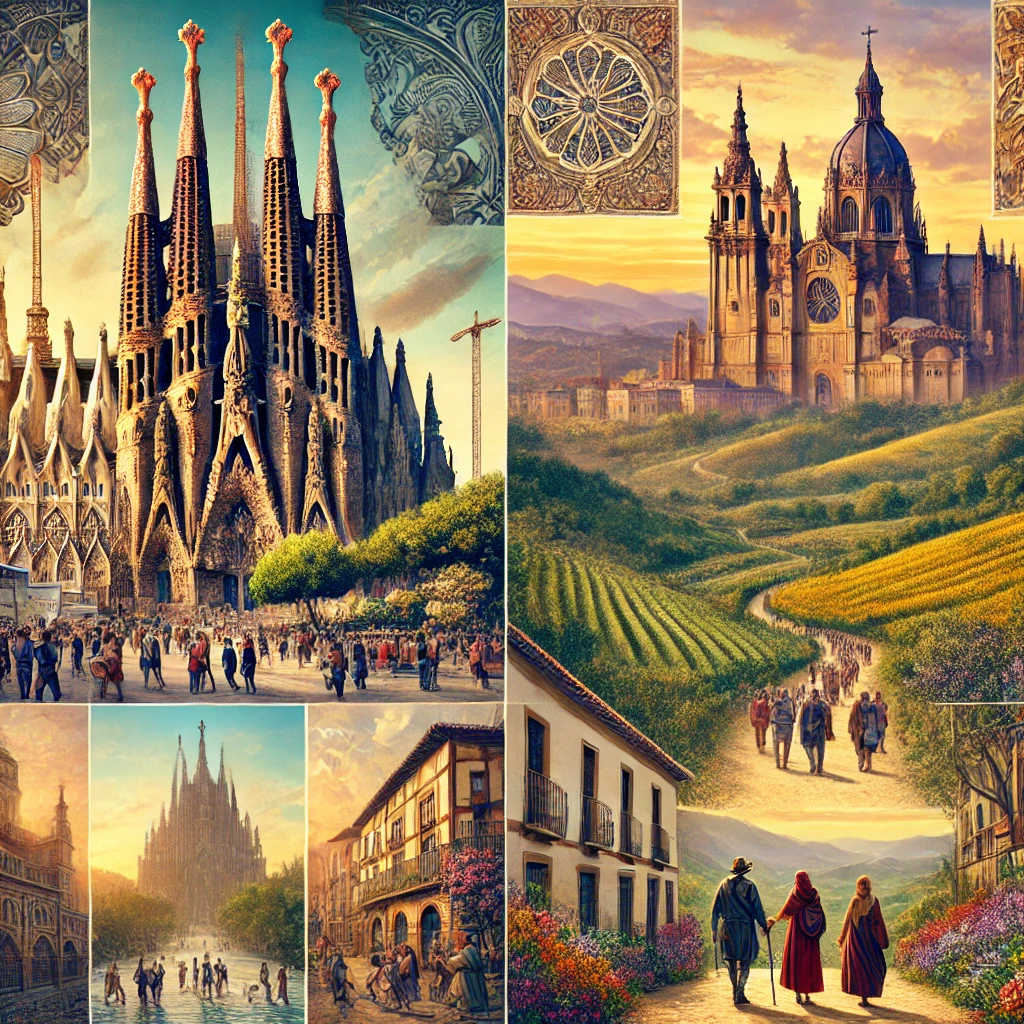
Religious ceremonies offer a glimpse into the spiritual essence and practices of a community. If you wish to be an active participant or simply understand what’s happening, these Spanish phrases will come in handy:
- ¿A qué hora es la misa? (What time is the mass?) – Useful to know the timing of masses or other religious services.
- Me gustaría asistir a la ceremonia (I’d like to attend the ceremony) – Expressing your interest in joining the ceremony.
- ¿Necesito hacer una donación? (Do I need to make a donation?) – To inquire if a donation is required or appreciated.
- ¿Dónde puedo sentarme? (Where can I sit?) – Asking for seating arrangements, especially in crowded ceremonies.
- ¿Puede explicarme el significado de esto? (Can you explain the significance of this?) – For interpreting practices, rituals, or symbols.
Festivals and Cultural Events
Festivals are windows into the soul of a culture, allowing tourists to experience vibrant celebrations filled with music, dance, and traditional attire. Engaging with the locals and understanding the relevance of such events can be more fulfilling with these Spanish phrases:
- ¿Cuál es el propósito del festival? (What is the purpose of the festival?) – To understand the reason behind the celebrations.
- ¿Cuándo comienza el desfile? (When does the parade start?) – Crucial for not missing out on the main events.
- ¿Dónde puedo comprar un traje tradicional? (Where can I buy traditional attire?) – To fully immerse yourself by dressing up in traditional clothes.
- ¿Cómo se celebra tradicionalmente? (How is it traditionally celebrated?) – To get an idea of the customary ways of celebrations.
- ¿Hay eventos gratuitos? (Are there free events?) – To participate in activities without worrying about costs.
Hotels and Accommodations
Having comfortable and secure accommodations is vital for any tourist. Communicating your needs and preferences in Spanish will not only help in improving your stay but also in understanding hotel etiquettes and norms. Here are some phrases to assist you:
- Quisiera reservar una habitación (I’d like to book a room) – The first step to securing your stay.
- ¿Tiene habitaciones disponibles? (Do you have rooms available?) – To check for availability.
- ¿Cuál es el precio por noche? (What’s the price per night?) – Essential for budgeting.
- ¿Hay servicio de habitaciones? (Is there room service?) – To inquire about additional services.
- ¿Es posible un check-out tarde? (Is late check-out possible?) – For those times when an extended stay is needed.
Restaurants and Local Cuisine
Tasting local cuisine is an integral part of the cultural experience. However, understanding a Spanish menu or conveying dietary preferences can be challenging. With these phrases, you’ll enjoy your culinary journey with ease:
- Quisiera hacer una reserva (I’d like to make a reservation) – Helpful for securing a table in advance.
- ¿Cuál es el plato del día? (What’s the dish of the day?) – To try out daily specials.
- ¿Puede recomendar algún plato local? (Can you recommend a local dish?) – To get the best of local flavors.
- Tengo una alergia a [insert allergen] (I have an allergy to [insert allergen]) – For conveying food allergies.
- La cuenta, por favor (The bill, please) – To request the bill after a sumptuous meal.
Conclusion
Cultural and religious tourism is more than just sightseeing; it’s about engaging fully with the soul of a place. Knowing the local language, especially Spanish, allows you to delve deeper into traditions, ceremonies, and daily life. The phrases provided here are pathways to meaningful interactions and richer experiences. Not only do they help you communicate more effectively, but they also demonstrate respect towards the culture and people.
Whether you’re marveling at the grandeur of a cathedral, participating in a lively festival, or simply enjoying local cuisine, these Spanish phrases will come to your aid. They will enable you to bridge the cultural gap, making your journey not just about destinations but also about shared stories and new friendships.
So, pack your bags and equip yourself with these phrases to explore the cultural and religious tapestry that Spanish-speaking countries have to offer. Your travel experiences are about to become more immersive, respectful, and joyous. ¡Buen viaje! (Safe travels!)