The history of language is a fascinating journey through time and cultures, often revealing influences from unexpected corners of the world. Such is the case with Spanish pronunciation, which bears traces of Arabic influence. From the bustling streets of modern Madrid to quieter corners of the Andalusian countryside, the echoes of Arabic are subtly woven into the fabric of the Spanish language. Understanding this linguistic confluence enriches our appreciation of cultural interconnections and offers insights into the profound impacts of cross-cultural exchanges. But how exactly did Arabic come to influence Spanish pronunciation, and why does this matter today? Delving into the historical, geographical, and cultural contexts that facilitated this linguistic infusion unveils the narrative of a shared past and illustrates how languages are living, evolving entities. This exploration not only satisfies academic curiosity but also enhances our understanding of global intercultural dynamics, informing language learning approaches and preserving cultural heritage.
The Historical Context of Arabic Influence
The Arabic influence on Spanish pronunciation can be traced back to the early 8th century when the Moors, who were Berber and Arab Muslims from North Africa, invaded the Iberian Peninsula. This period, known as the Islamic Conquest, marked the beginning of several centuries during which Islamic culture significantly impacted the region’s linguistic landscape. The Moors brought with them their language and culture, fostering vibrant cultural exchange through art, science, and language. Arabic soon became a dominant language in the region, especially in Al-Andalus, an area that encompasses present-day Spain and Portugal.
An example of this influence is the continued use of certain Arabic sounds in Spanish pronunciation, most notably the “j” sound, which mirrors the Arabic “kh” sound. This guttural sound, unusual in many other Romance languages, remains a distinctive feature of Spanish. Additionally, the Arabic linguistic presence in Spain is evidenced by the numerous loanwords integrated into the Spanish vocabulary, many of which begin with the Arabic article “al,” such as “alcázar” (fortress) and “almohada” (pillow).
Linguistic Integration and Pronunciation
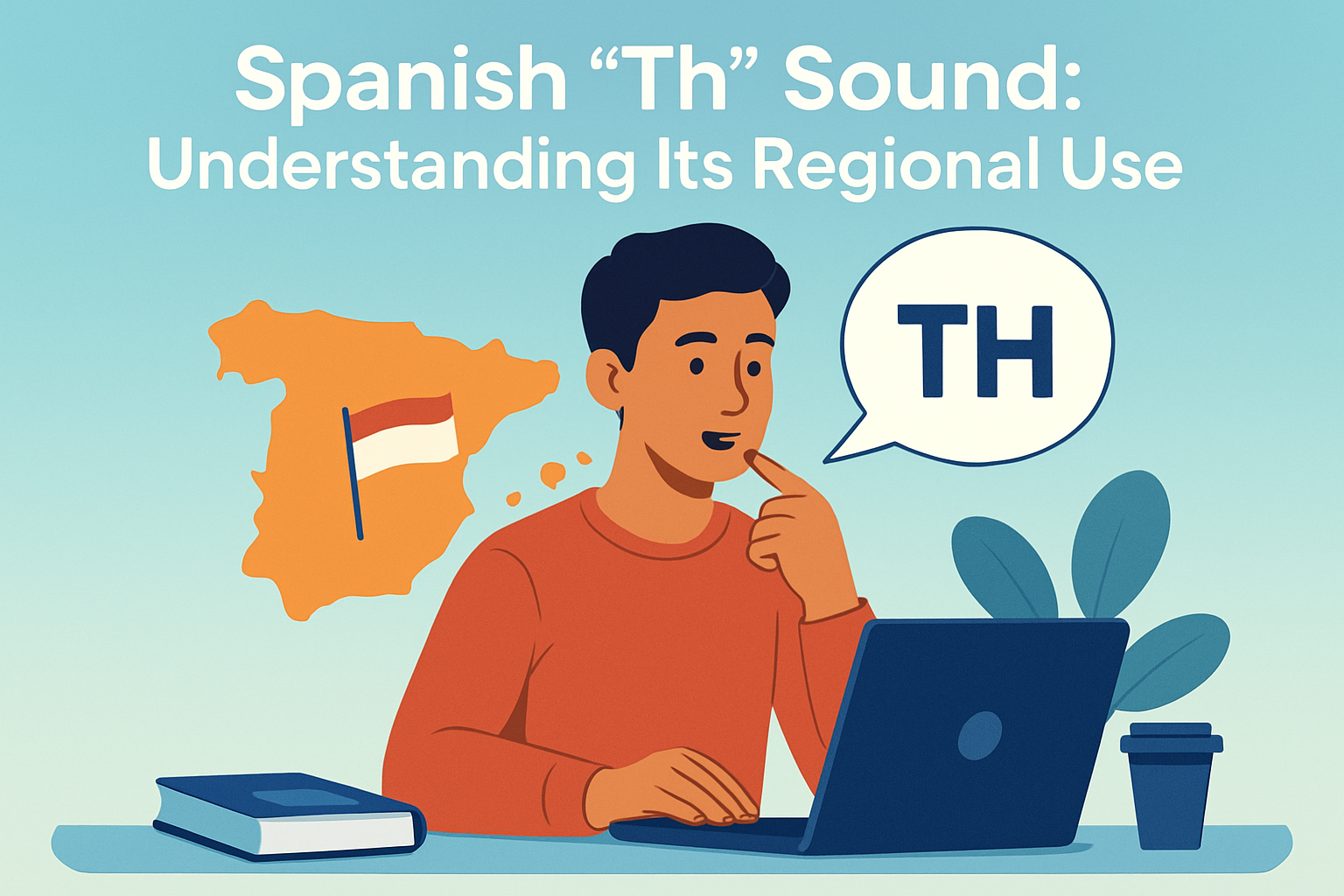
The integration of Arabic into the Spanish language had lasting effects on its pronunciation, particularly in terms of phonetic components. Arabic’s influence can be observed in specific regional dialects that continue to bear traces of this linguistic blending. The Andalusian dialect, for instance, exhibits sounds and pronunciations that align closely with Arabic phonology. The softness and fluidity of the Andalusian accent can be attributed, in part, to the sustained interactions between Arabic and the Romance languages. The adoption of particular sounds such as the “th” sound, as in “ce” and “ci,” reflect these historical linguistic exchanges.
- The guttural “j” sound: Demonstrates Arabic phonetic influence
- Andalusian pronunciation: Softness and fluidity akin to Arabic
- The “th” pronunciation: A sound closely aligned with Arabic phonetics
Understanding these phonetic influences provides a more comprehensive picture of how historical events shape language. It also highlights how the Moors’ presence contributed to a unique synthesis between Arabic and Latin elements, creating the rich tapestry of modern Spanish.
Real-World Examples from Everyday Spanish
The practical implications of Arabic influence can be seen in everyday Spanish language use. Beyond vocabulary, pronunciation differences attributable to Arabic can be found in common expressions and names. The city of Guadalajara in Spain, for example, derives its name from the Arabic “Wadi al-Hijara,” meaning “Valley of the Stones.” This name beautifully encapsulates the join between Arabic origins and Spanish adaptations, illustrating how pronunciation and names have traveled through time.
In regular conversation, elements of Arabic pronunciation make some Spanish phrases distinctly unique. Consider the word “ojalá,” a common expression in modern Spanish derived from the Arabic “inshallah,” meaning “God willing.” The word maintains a pronunciation style that resonates with its Arabic roots, especially in its use of the guttural “j” sound, serving as a living testament to this linguistic history.
Current Reflections in Spanish Dialects
Modern Spanish dialects reflect a mosaic of historical influences, Arabic principal among them. Across various regions, dialectical differences in pronunciation subtly underpin the enduring legacy of Arabic. For example, in northern Spain, the Castilian dialect tends to preserve more conservative pronunciations compared to the Andalusian dialect, which is marked by its softer, more fluid articulation—a nod to its Moorish past.
Tabular Breakdown of Pronunciation Influences
| Pronunciation Element | Impact of Arabic Influence | Example |
|---|---|---|
| Guttural sounds | Integration into standard Spanish | “Jota” (j sound) as in “jugar” |
| Soft c/z | Reflects Arabic th sound | “Cielo” pronounced with “th” |
| Loanword adaptation | Arabic terms retained or transformed | “Ojalá” from “inshallah” |
This table helps visualize the tangible effects of Arabic influence on specific phonetic aspects, underlining how deeply interwoven Arabic elements are in Spanish.
Preservation of Linguistic Diversity
The Arabic influence on Spanish pronunciation is more than a historical curiosity; it is a vital component of the rich tapestry of cultural and linguistic heritage in the Iberian Peninsula. The preservation and study of these influences not only help sustain linguistic diversity but also foster understanding of global cultural dynamics. As globalization continues to draw cultures closer, acknowledging and preserving these historical confluences becomes increasingly important.
Linguistic diversity is championed as a marker of cultural richness, and the historical ties between Arabic and Spanish serve as a testament to this richness. This legacy inspires modern language scholars and enthusiasts to explore deeper connections and appreciate language as a dynamic mirror of historical interactions.
Call to Action: Embrace and Explore
The journey through Arabic influences on Spanish pronunciation reveals the intricate and poetic dance of cultures intertwined over centuries. By exploring these linguistic artifacts, we gain a deeper appreciation for both Spanish language and its enduring Arabic legacy. This exploration prompts us to question and seek further, encouraging continued study and celebration of linguistic diversity.
Whether you are a language learner or an enthusiast drawn to historical linguistics, consider diving into the words and sounds that define Spanish today. With each syllable, a world of cultural exchange and historical nuance unfolds. Embrace this linguistic journey, and let it inspire you to connect with the rich tapestry of our global cultural heritage.
Frequently Asked Questions
1. How did Arabic influence Spanish pronunciation?
Arabic influenced Spanish pronunciation significantly during the period known as the Reconquista, when Arab Muslims, or Moors, ruled large parts of what is now Spain from 711 to 1492. This period saw a significant cultural exchange, and the Arabic language left its mark on Spanish. Pronunciation was one of the main areas of influence. For example, the Spanish ‘j’ sound, as in “jalapeño,” resembles the Arabic ‘خ’ (kha) character. Furthermore, the soft ‘s’ sound found in some Andalusian dialects is reminiscent of the Arabic pronunciation style. This is because the Moors spoke Arabic as their native language, and their pronunciation patterns naturally seeped into the local language, evolving over centuries to become what we hear today.
2. Are there specific regions in Spain where Arabic influence on pronunciation is more evident?
Yes, the influence of Arabic pronunciation is more evident in southern Spain, particularly in Andalusia. During the Moorish rule, Andalusia was a major cultural center, thriving under Arabic influence. You can still hear traces of Arabic in the way Andalusians pronounce certain consonants softer than in northern Spain. For instance, the ‘s’ sound becomes softer and aspirated. These nuances in pronunciation highlight the strong historical and linguistic connection to Arabic. Even today, the Andalusian accent is considered unique and distinguished by its rhythmic cadence, reminiscent of Arabic speech patterns, exhibiting a clear legacy of Arabic phonetic elements.
3. What are some examples of Spanish words with Arabic roots that also showcase pronunciation influences?
There are numerous Spanish words with Arabic roots that also illustrate pronunciation influences. Words beginning with “al,” such as “aceituna” (olive), “alfombra” (carpet), or “almohada” (pillow), directly reflect the Arabic definite article “al-“. The pronunciation of these words typically involves a soft, distinct consonant sound that echoes Arabic articulation. Similarly, the word “azúcar” (sugar) traces its roots to the Arabic “as-sukkar,” and its pronunciation preserves the gentle ‘s’ and ‘k’ sounds. Such examples are not only linguistic but also showcase how Arabic speech patterns subtly merged with and enriched Spanish pronunciation over centuries.
4. Did the Arabic influence on pronunciation affect other languages in Spain, like Catalan or Basque?
While Arabic influence is most pronounced in the Spanish language, its traces are less evident in other regional languages like Catalan or Basque. This is primarily due to geographical and cultural factors. Catalan, spoken in northeastern Spain, maintained stronger ties with other Romance languages and regions beyond the direct influence of the Moors. As such, while some Arabic loanwords were adopted, the pronunciation influence is less apparent. Basque, on the other hand, is an entirely different language family and retained its unique phonetic characteristics throughout the Moors’ occupation, resulting in minimal Arabic pronunciation influence. Nonetheless, each language shares a common tapestry of Spain’s diverse linguistic history, albeit with varying degrees of Arabic impact.
5. How does understanding the Arabic influence on Spanish pronunciation enhance our appreciation of the language?
Understanding the Arabic influence on Spanish pronunciation enriches our appreciation of the language by highlighting the intricate mosaic of cultural and linguistic exchanges throughout history. This knowledge enhances our awareness of how Spanish evolved into its modern form, reflecting centuries of interaction between different peoples and languages. Recognizing Arabic’s role provides a deeper insight into the Andalusian region’s rich historical tapestry, emphasizing the complex, multicultural roots that define modern Spain. Moreover, it invites language learners and enthusiasts to explore the stories behind the sounds they hear, creating a more meaningful and enriched connection to the Spanish language and its diverse heritage.