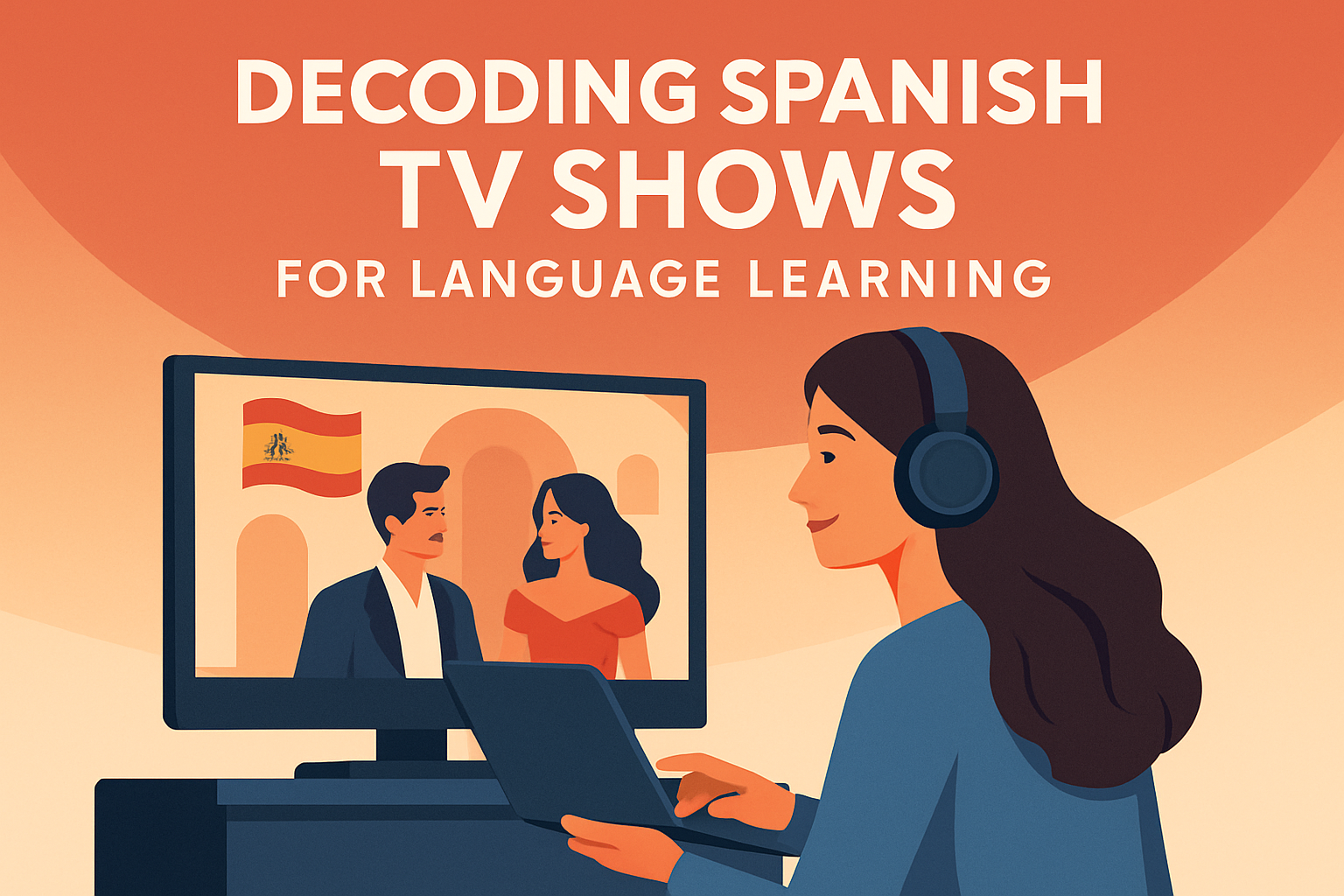
Introduction to the Concept of Language Learning Through TV Shows
In the quest to learn a new language, traditional methods like textbooks, grammar exercises, and language classes can become tiresome. An innovative and enjoyable approach to mastering a language is through exposure to media such as TV shows. Specifically, Spanish TV shows offer a gateway not only to learn the Spanish language but also to understand the culture, humor, and nuances of Spanish-speaking countries. This method of language acquisition is based on immersive learning, where learners hear language as it is naturally spoken, picking up pronunciation, slang, and cultural context in the process.
Language immersion involves surrounding oneself with the language in its natural environment. By engaging with Spanish TV shows, learners benefit from a full spectrum of language usage: dialogue following everyday scenarios, interactions showcasing social norms, and exposure to diverse accents and dialects. The value of this learning method lies not only in understanding language grammar but also in grasping linguistic nuances that might not be present in textbooks.
Spanish TV shows are significant for language learners because they provide a natural context, making the learning experience both effective and engaging. With genres ranging from drama and comedy to thrillers and telenovelas, there’s a vast array of programming that can cater to diverse tastes, helping maintain motivation and interest while learning. This article will explore the effectiveness of Spanish TV shows as a language-learning tool, breaking down the process into manageable sections with real-world examples to illustrate each point.
Choosing the Right Spanish TV Shows for Learning
Selecting the appropriate Spanish TV shows is crucial for an effective learning experience. Consider the learner’s current language proficiency and choose shows that match their level. Beginners could start with children’s shows or sitcoms with simple dialogue, while advanced learners might enjoy dramas or thrillers with more complex linguistic structures.
A popular example for beginners is the Spanish version of Dora the Explorer, which features simple sentences and repetitive dialogue designed for language acquisition. On the other hand, advanced learners might opt for shows like La Casa de Papel (Money Heist), which is rich with slang, idiomatic expressions, and fast-paced dialogue.
Moreover, language learners should ensure that the shows they pick provide the option of subtitles. Beginners can start with English subtitles for better comprehension and gradually shift to Spanish subtitles as they become more comfortable with the language. This transition helps reinforce vocabulary and phrases, bridging the understanding between written and spoken language.
Understanding Accents and Dialects Through TV Shows
Spanish is spoken across different countries, each with its accent, slang, and regionalisms. Spanish TV shows offer exposure to this linguistic diversity, which is integral for learners aiming for comprehensive Spanish proficiency. Engaging with various Spanish shows helps improve listening skills, as learners recognize these differences and adapt to various speech patterns.
For instance, Elite, a Spanish thriller drama, is set in Spain, highlighting the Castilian Spanish accent. In contrast, Club de Cuervos from Mexico reveals the distinctive Mexican accent. This variety offers learners the ability to understand regional variations and prepares them to communicate with native speakers from different Spanish-speaking regions.
Moreover, becoming attuned to multiple accents can boost confidence in listening and speaking. It equips learners with the auditory skills necessary to distinguish and comprehend different pronunciations and expressions, ultimately enhancing communication capabilities in real-world contexts.
Leveraging Context for Vocabulary and Grammar Learning
One of the main advantages of using TV shows for language learning is the ability to understand vocabulary and grammar within context. This proves more effective than rote memorization as learners see how words and sentences are used naturally. Contextual understanding through TV shows helps cement these concepts in a learner’s mind.
For example, in the series La Casa de las Flores, themes of family dynamics and personal relationships are explored through dialogue. Learners are exposed to family-related vocabulary and expressions, offering a practical grasp of terms used in real-life scenarios. As repetition in shows occurs, learners naturally absorb sentence structures and vocabulary through association.
Another critical aspect is observing body language, facial expressions, and situational cues, which provide valuable context for the language being spoken. This non-verbal language plays a pivotal role in conveying meaning, offering learners an enriched language-learning experience beyond the written word.
Active Engagement with Spanish TV Shows
Passively watching TV shows can undoubtedly contribute to language skills, but active engagement significantly amplifies learning outcomes. Implementing specific strategies can maximize the educational benefits of Spanish TV shows.
One effective technique is shadowing, where learners repeat lines after characters in real-time. This method enhances pronunciation and reinforces speech patterns. Additionally, learners can pause shows to note down unknown words or phrases, looking them up afterward to build their vocabulary.
For organized language learning, keeping a journal or a digital notebook helps track progress and remember new words and expressions. Learners can summarize episodes, reflect on vocabulary, or even attempt to guess the dialogues without subtitles to further challenge their comprehension levels.
- Watch with Spanish subtitles to accustom yourself to written Spanish.
- Pause and replay dialogues to catch any uninterpreted words or phrases.
- Use available language learning apps to complement media exposure with structured practice.
Active engagement ensures that learners are not just passively receiving information, but actively processing, applying, and retaining newly acquired language skills.
| Strategy | Description | Beneficial For |
|---|---|---|
| Shadowing | Repeat dialogues to improve pronunciation and intonation. | Enhancing speech clarity. |
| Notetaking | Capture new vocabulary and phrases for later review. | Expanding vocabulary. |
| Summary Writing | Summarize episodes to practice writing skills. | Improving written proficiency. |
Enhancing Cultural Understanding Through Spanish TV
Alongside language learning, Spanish TV shows provide insight into cultural aspects and social dynamics within Spanish-speaking countries. Understanding culture is an intrinsic part of mastering a language, as culture heavily influences language, idioms, and expressions.
For instance, Gran Hotel offers a glimpse into early 20th-century Spanish culture, social hierarchies, and historical contexts. Shows like La Reina del Sur explore themes of power and ambition, revealing cultural values and societal norms present in Latin American contexts. By watching these shows, learners not only acquire linguistic skills but also deepen their cultural literacy, enhancing their ability to engage with Spanish-speaking communities meaningfully.
Integrating this cultural knowledge with language skills assists learners in avoiding cultural misunderstandings and improves their ability to relate to Spanish speakers in both personal and professional settings.
Conclusion: Embark on Your Spanish Language Journey
Incorporating Spanish TV shows into your language learning routine is a fruitful strategy that blends entertainment with education. By carefully selecting shows that match your proficiency level, actively engaging with the content, and leveraging the linguistic and cultural insights provided, you can significantly enhance your Spanish language skills.
The main takeaway is that language learning through Spanish TV is not just about acquiring vocabulary; it’s about experiencing the language in its cultural tapestry, promoting a deeper connection with it. Engage actively, make it a routine, and explore different genres and cultures.
As a next step, select one Spanish TV show that resonates with your interests, and start your journey today. Experiment with different learning strategies, and observe your progress over time. Remember, consistency is key, and with regular exposure and practice, you will see growth in your language abilities.
Embark on this dynamic language-learning journey with Spanish TV shows, and unlock a new realm of communication and understanding.
Frequently Asked Questions
1. Why are Spanish TV shows beneficial for language learning?
Watching Spanish TV shows is beneficial because it immerses you in the language in a natural and engaging way. Unlike formal educational settings, TV shows provide authentic dialogue, intonation, and colloquial expressions that are often left out of textbooks. When you watch shows intended for native speakers, you’re exposed to the rhythm and flow of the language and can start to learn how to think in Spanish over time. You also get cultural insights, which can deepen your understanding and appreciation of the language’s context. This method makes language learning feel less like a chore and more like an enjoyable pastime.
2. How can beginners make the most out of watching Spanish TV shows?
Beginners can maximize their learning by starting with Spanish shows that have subtitles in their native language to help them understand the context. As they become more comfortable, they can switch to Spanish subtitles, which can aid in connecting spoken and written language. Choosing shows aimed at younger audiences may help since these often use simpler vocabulary and shorter sentences. It’s beneficial to pause and replay scenes to catch tricky bits and make use of language learning tools, like keeping a notebook to jot down new words or phrases. Consistent exposure, like watching a few episodes weekly, will build familiarity over time.
3. Are there specific genres of TV shows that are particularly helpful for learning Spanish?
Yes, certain genres can be particularly helpful depending on your learning goals. Comedies often expose viewers to conversational language and colloquial expressions, helping you sound more like a native speaker. Telenovelas are excellent for understanding spoken language in emotional contexts due to their dramatic nature and exaggerated dialogues. Educational programs or documentaries are slower in pace and use clearer diction, which can be advantageous for novice learners. Additionally, shows featuring daily life situations can provide practical vocabulary used in everyday conversations.
4. Is it possible to understand and have a good vocabulary just by watching TV shows without formal education?
While watching Spanish TV shows can significantly boost your language skills, relying solely on them might not be enough to achieve fluency or a comprehensive understanding. TV shows are fantastic for improving listening skills, increasing vocabulary, and understanding cultural nuances. However, they might not provide the systematic grammar study and direct practice that speaking or writing exercises require. For optimal results, combining TV watching with other learning methods such as language apps, conversation practice, and grammar exercises could provide a more rounded and effective language learning experience.
5. Can watching Spanish TV shows help with improving pronunciation?
Absolutely, watching Spanish TV shows can be very beneficial for improving pronunciation. When you hear native speakers often, you become more attuned to the sounds of the language, its intonation patterns, and the way certain letters or combinations are pronounced. You can mimic the actors’ conversations as exercises and try to repeat after them to improve your accent. Contextual learning through TV also helps with discerning which sounds are subtle or heavily pronounced based on the setting and emotions in scenes. Listening to the intricacies of spoken Spanish, especially when actors articulate clearly, is a valuable complement to traditional pronunciation lessons.