In today’s fast-paced, digitally connected world, technology and language are intimately intertwined. Language evolves naturally, but the introduction of technology has accelerated the transformation, particularly in the context of the Spanish language. Understanding these shifts is vital for educators, students, and anyone passionate about linguistic development.
Introduction
Spanish, one of the world’s most widely spoken languages, has been significantly influenced by the advances in technology. As digital tools and platforms have proliferated, they have not only changed how we interact but also the way languages mutate and evolve. The advent of social media, mobile applications, translation software, and other technological innovations has contributed to a rapid transformation of the Spanish language.
Historically, languages have evolved at a relatively slow pace, often influenced by cultural exchanges, migration, and changes in socio-political environments. However, the last few decades have witnessed an unprecedented acceleration in linguistic shifts, primarily driven by advancements in technology. New words, phrases, and even syntax structures are created and disseminated at a rate never seen before.
This article delves into the significant impact of technology on the evolution of Spanish. We will explore how digital communication, social media, and AI-driven tools have altered the language, diving into both the positive and negative implications. The goal is to provide a comprehensive understanding for educators, linguists, and enthusiasts who wish to grasp the ongoing metamorphosis of Spanish due to technological advancements.
Digital Communication: A Catalyst for Change
Digital communication has undeniably been a significant driver in the evolution of the Spanish language. Email, instant messaging, and video calls have transformed how we communicate, shorten expressions, and create slang. With over 500 million Spanish speakers worldwide, the digital landscape has become a melting pot for regional variances and new expressions.
The informal nature of digital communication encourages more relaxed and creative use of language. For instance, abbreviations like “q” for “que” and emoticons have become commonplace in text conversations. This type of shorthand has not only altered written Spanish but has also influenced spoken language, especially among the younger generation.
Moreover, the proliferation of smartphones and the internet has facilitated greater interaction among Spanish speakers from different parts of the world. This interaction leads to the merging of dialects and the creation of hybrid forms of Spanish. For example, words from Latin American Spanish are increasingly entering the lexicon of Spaniards and vice versa, creating a more homogenized yet dynamic language.
Furthermore, digital platforms have increased the visibility of minority and regional dialects, helping them gain recognition and preservation. Online forums, social media groups, and video content from regions like Catalonia, the Basque Country, and Galicia are more accessible than ever, bringing regional phrases and unique linguistic traditions into the mainstream.
Social Media: A Cultural Influencer
Social media platforms such as Facebook, Twitter, Instagram, and TikTok have a profound impact on language evolution. These platforms are not just about connecting people but also about sharing cultures, trends, and languages. In the case of Spanish, social media has played a critical role in modernizing the language.
Hashtags, memes, and viral content create trends that introduce new vocabulary and phrases into everyday language. The instantaneous nature of social media means that language changes can spread far and wide very quickly. For example, phrases like “like” (from English) and “selfie” have been incorporated into everyday conversation, often with a Spanish twist.
Platforms like Twitter have constraints, such as character limits, that encourage brevity and creativity. These constraints force users to innovate, often leading to new forms of wordplay, abbreviations, and slang. Additionally, YouTube and TikTok influencers wield significant cultural power and often popularize new expressions and catchphrases, which their followers quickly adopt.
A study on language trends revealed that social media is a breeding ground for linguistic diversity. Regional slang from Latin America, Spain, and other Spanish-speaking regions often transcends borders due to the global nature of these platforms. For example, the Mexican phrase “No manches” (an expression of surprise or incredulity) may quickly become familiar to Spanish speakers in Spain or Argentina through viral videos and posts.
AI and Translation Tools: Bridging the Gap
Artificial intelligence and translation tools such as Google Translate, DeepL, and other machine learning models have had a tremendous impact on the evolution of the Spanish language. These tools make it easier for non-native speakers to learn Spanish and for Spanish speakers to interact with people who speak other languages.
However, the increasing reliance on automatic translation has its downsides. While these tools are getting better at providing accurate translations, they still struggle with nuances, idiomatic expressions, and cultural context. Incorrect translations can propagate misunderstandings and misusage, which eventually seep into common speech and writing.
AI also influences language through predictive text and autocorrect features in smartphones and computers. These tools often learn from user behavior and make suggestions that can subtly alter the language over time. For example, a widely used predictive text feature might suggest a colloquial or simplified spelling of a word, gradually making it more acceptable.
Despite these challenges, AI and translation tools have significantly democratized access to language learning. Through apps like Duolingo or Rosetta Stone, millions of people across the world gain exposure to Spanish. This globalization of language learning has introduced non-native influences into the Spanish lexicon and syntax, enriching it but also complicating its structure.
The Role of Online Learning
The rise of online learning platforms has been another significant factor in the evolution of the Spanish language. Khan Academy, Coursera, and other educational platforms have made Spanish language courses accessible to a global audience. This democratization of language learning has led to a more standardized form of Spanish, at least in formal educational settings.
Online classes offer interactive elements such as forums, chats, and video calls, providing learners with various ways to practice and internalize the language. Many of these platforms also include lessons on cultural nuances, slang, and regional dialects, offering a more holistic approach to language learning.
Moreover, virtual exchange programs and online communities have connected Spanish learners with native speakers. These interactions often bring different dialects and slang into conversations, enriching the learners’ vocabulary. Exposure to diverse forms of Spanish helps learners appreciate its richness and complexity.
Online learning has also introduced gamification into language learning. Apps like Duolingo use games to teach vocabulary, grammar, and pronunciation. This approach appeals to younger audiences, making language learning more engaging and effective. However, it also introduces a more informal and playful use of language, which can drift away from traditional norms.
The Impact on Education and Academia
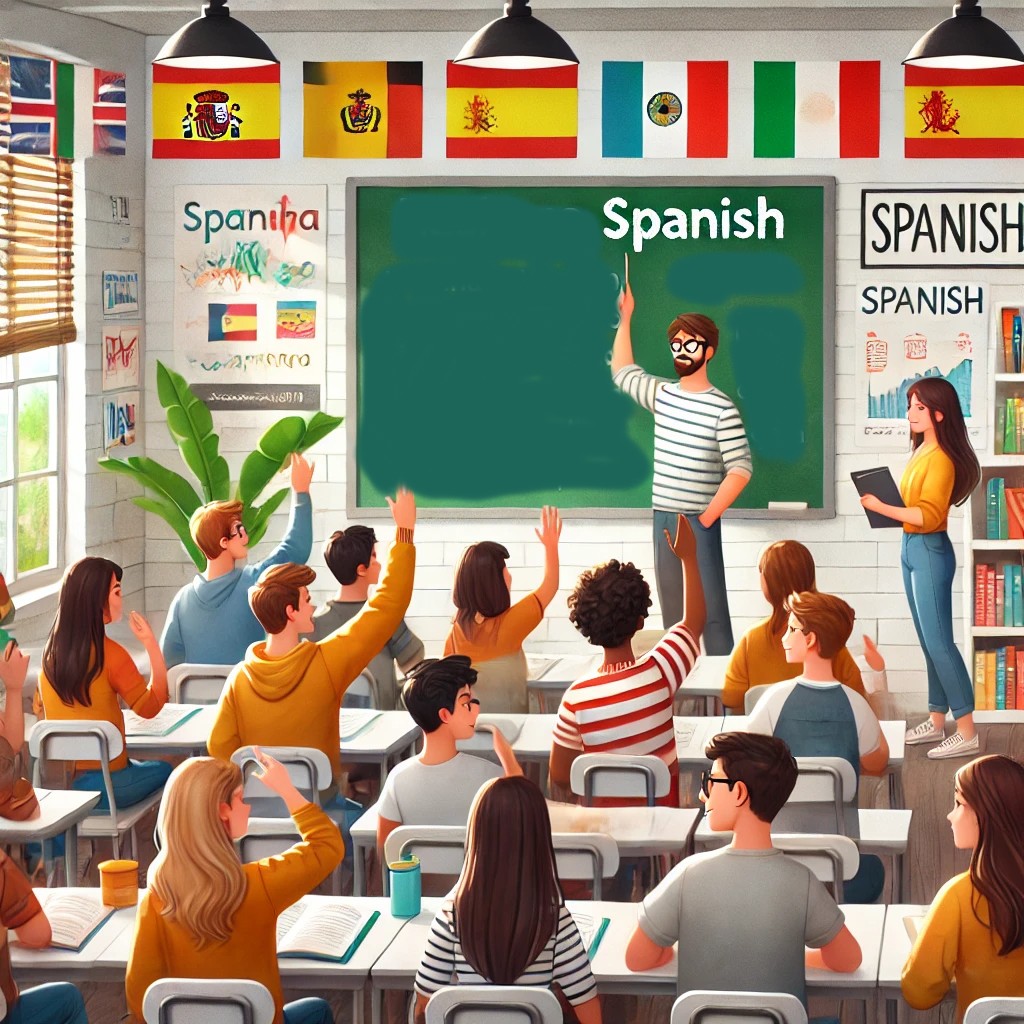
The educational sector has been both a beneficiary and a contributor to the evolving landscape of the Spanish language. Technology has revolutionized how Spanish is taught and learned in classrooms across the world. Traditional textbooks are being replaced or supplemented by digital resources, including interactive e-books, educational apps, and online databases.
Teachers now have access to a vast array of online resources to enhance their teaching methods. Video tutorials, interactive quizzes, and augmented reality experiences are just a few examples of how technology is making language learning more comprehensive and engaging. These tools allow for a more interactive and immersive learning experience, which can accelerate language acquisition.
Furthermore, technology has made it easier for researchers to study the Spanish language. Databases of written and spoken Spanish, accessible via the internet, provide valuable data for linguistic research. Advanced software tools for text analysis allow linguists to study changes in the language more efficiently and accurately.
However, there are also challenges. The standardization and formalization of digital Spanish can sometimes lag behind the rapid changes occurring in informal settings, like social media. This gap can create inconsistencies in language education and academic research.
Conclusion
The impact of technology on the Spanish language is both profound and multifaceted. From digital communication and social media to AI and online learning, various technological advancements have significantly influenced how the language is used, taught, and learned. These changes bring both opportunities and challenges for Spanish speakers and learners worldwide.
One of the most notable benefits is the democratization of language learning. Technology has made it easier than ever for people worldwide to learn and interact in Spanish, fostering greater cross-cultural communication and understanding. However, this global reach also introduces new variables into the language, creating a more dynamic but complex linguistic landscape.
On the downside, the rapid pace of technological change can lead to inconsistencies and misunderstandings, particularly when relying on AI-driven tools for translation and communication. Moreover, the informal and playful use of language on digital platforms can sometimes clash with more traditional linguistic standards.
In conclusion, the evolution of the Spanish language in the digital age is a testament to the incredible resilience and adaptability of human communication. While challenges exist, the opportunities for enrichment and innovation are immense. For educators, linguists, and language enthusiasts, understanding these changes is crucial for navigating the future of Spanish language education and communication.