
In recent years, technology has reshaped educational landscapes across the globe, breaking boundaries and facilitating unprecedented learning experiences. When it comes to Spanish language education, the integration of technology has proved transformative. Innovations such as language learning apps, virtual classrooms, and AI-powered tools have ushered in a new era of teaching and learning. This article will delve into the various ways in which technology is being harnessed to enhance Spanish language education, highlighting its impact, benefits, and future prospects.
Introduction
Learning a new language is a doorway to exploring new cultures, expanding career opportunities, and broadening one’s horizons. Over the past decade, technological advancements have significantly contributed to the field of language education, making it easier and more engaging for learners to adopt a new language. Spanish, being the second most spoken language in the world, has immensely benefitted from these technological innovations. This article will discuss the roles that various technologies play in Spanish language education, providing comprehensive insights into the tools and methods that are currently shaping this field.
The traditional classroom model is undergoing a radical transformation thanks to technology. Spanish learners now have access to a plethora of online resources that make learning both interactive and enjoyable. From mobile applications that teach vocabulary and grammar to sophisticated AI-driven platforms offering personalized learning experiences, the integration of technology in language education has become indispensable. This shift not only aids in enhancing proficiency but also accommodates different learning styles and paces, ultimately leading to better retention and application of the language.
Language Learning Apps and Tools
Language learning apps have revolutionized the way individuals learn Spanish. Applications like Duolingo, Rosetta Stone, and Babbel provide an immersive and interactive learning experience, making it easier to practice and refine language skills on the go. These apps generally employ a gamified approach to learning, wherein users earn points, move up levels, and receive instant feedback. This makes the learning process fun and engaging, encouraging users to practice more consistently.
One of the standout features of these apps is their ability to provide personalized learning paths. Using algorithms and AI, these tools assess the learner’s strengths and weaknesses, tailoring lessons that focus on areas needing improvement. This individualized attention is particularly beneficial in language learning, where proficiency can vary significantly from person to person. Furthermore, these apps often provide audio and visual aids, which are crucial for mastering pronunciation and comprehension.
Beyond the mainstream apps, there are numerous specialized tools designed to enhance particular aspects of language learning. For example, Anki is a powerful flashcard app that uses spaced repetition to help learners memorize vocabulary and phrases more effectively. Similarly, software like Conjuguemos concentrates on teaching verb conjugations, a complex aspect of Spanish grammar. By diversifying the tools and resources available, technology allows learners to tackle different facets of the language in a methodical and efficient manner.
Virtual Classrooms and Online Courses
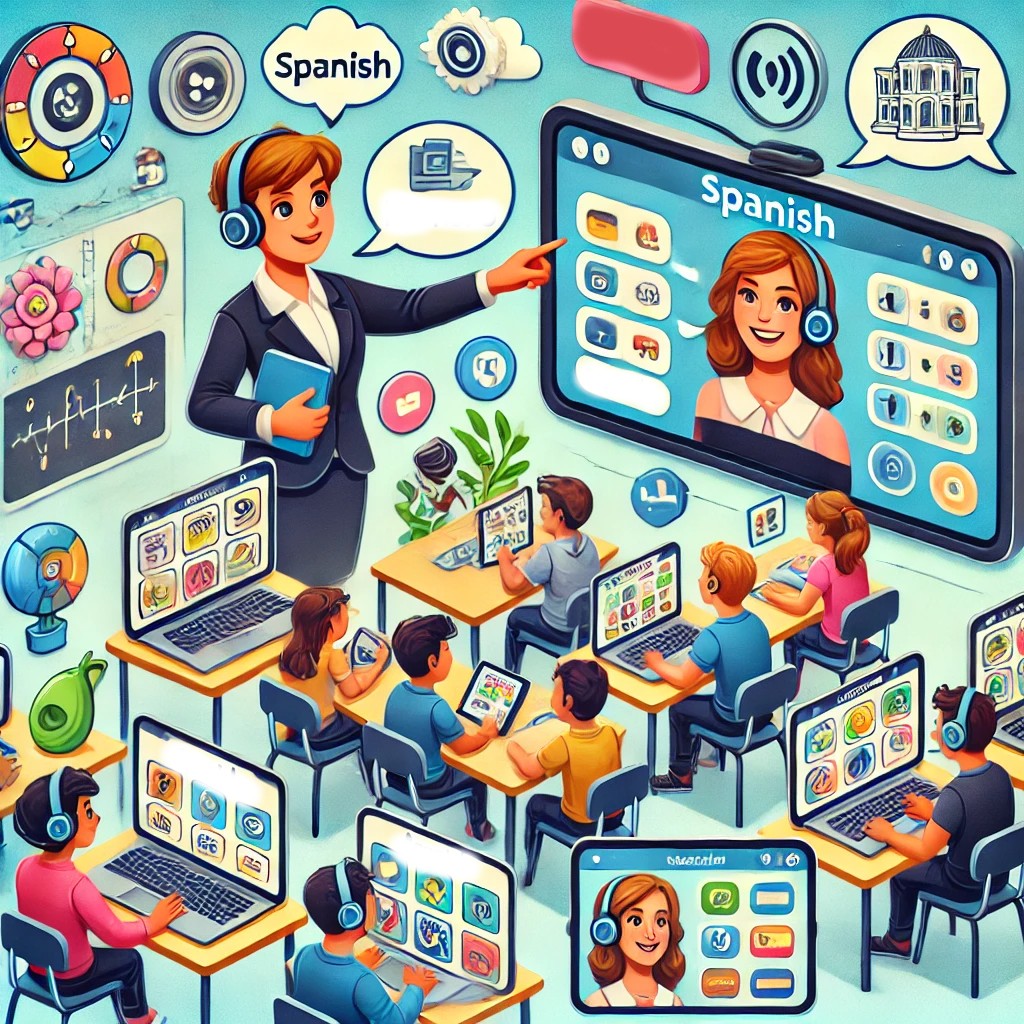
Virtual classrooms have gained prominence, particularly in the wake of the COVID-19 pandemic, which necessitated a shift to remote learning. Platforms like Zoom, Microsoft Teams, and Google Classroom have become essential in continuing education without geographical constraints. Spanish language courses offered through these platforms often feature live sessions, interactive activities, and a variety of digital resources that mimic the traditional classroom experience.
The interactivity and flexibility of virtual classrooms are one of their greatest strengths. Students can participate in real-time conversations, ask questions, and receive immediate feedback from instructors. Additionally, many online courses provide recordings of sessions, allowing students to review lessons at their own pace. This flexibility is particularly beneficial for adult learners and professionals who may have busy schedules.
Moreover, online courses often bring together a diverse group of learners from around the world, fostering a multicultural learning environment. This diversity can enrich the learning experience, offering students different perspectives and broader cultural insights. Collaborative projects, peer reviews, and group discussions have become integral parts of virtual Spanish education, enabling learners to practice their skills in a social context.
Artificial Intelligence and Machine Learning
Artificial Intelligence (AI) and Machine Learning (ML) are spearheading innovations in Spanish language education, making learning more personalized, efficient, and accessible. AI-driven platforms like Replika and Google’s Language Translator leverage machine learning algorithms to provide real-time translations, language practice, and feedback. These platforms can handle complex grammatical structures and idiomatic expressions, offering learners accurate and nuanced assistance.
One of the pioneering applications of AI in language learning is the use of conversational agents or chatbots. These AI-powered agents can simulate real-life conversations, providing learners with an authentic practice environment. Tools like Tandem and HelloTalk use such conversational agents along with community-driven support, connecting learners with native speakers and peer learners. This mixed approach combines AI’s precision with human intuition, creating a rich learning ecosystem.
Furthermore, AI is instrumental in developing adaptive learning technologies. These systems use data analytics to monitor a learner’s progress and predict learning outcomes, adjusting the difficulty and type of content dynamically. For instance, if a learner consistently struggles with certain grammar rules, the system will amplify focus on those areas until the learner achieves proficiency. Such adaptive technologies ensure a more targeted and personalized learning experience, maximizing the impact of each lesson.
Immersive Technologies: VR and AR
Virtual Reality (VR) and Augmented Reality (AR) are pushing the boundaries of immersion in Spanish language education. VR environments create fully interactive 3D worlds where learners can simulate real-life situations, such as navigating a Spanish-speaking market or dining at a Spanish restaurant. Platforms like ImmerseMe and Mondly VR offer these immersive experiences, providing contextual learning that is invaluable for language retention.
AR, on the other hand, overlays digital content onto the real world, enhancing learning experiences with interactive elements. Google’s AR Translate is an excellent example of this technology, allowing users to point their phone camera at a text and see translated words in real-time. Applications like these turn mundane experiences into interactive learning opportunities, reinforcing language skills through practical use.
Both VR and AR present unique advantages in teaching cultural nuances and etiquettes, which are essential components of language learning. By simulating cultural contexts, these technologies enable learners to practice appropriate greetings, gestures, and responses that are culturally sensitive. Immersive technologies thus offer a holistic approach to language education, blending linguistic proficiency with cultural competence.
Gamification of Learning
Gamification, the application of game-design elements in non-game contexts, has found a prominent place in Spanish language education. By incorporating elements like point scoring, leaderboards, and challenges, educational platforms incentivize learning, making it an engaging and rewarding process. Duolingo, one of the most popular language learning apps, epitomizes the success of gamified learning with its extensive user base and high engagement rates.
Platforms like Kahoot! and Quizlet Live further exemplify how gamification can transform traditional learning activities into exciting competitions. These platforms allow educators to create quizzes, flashcards, and games that reinforce vocabulary, grammar, and comprehension in an enjoyable manner. The competitive element encourages learners to participate actively and practice regularly, ultimately enhancing retention and application of language skills.
Moreover, gamification often incorporates a social component, where learners can share their progress, challenge friends, and join learning communities. This social interaction not only increases motivation but also provides a support network that fosters collaborative learning. By making education a social and fun experience, gamification acts as a powerful tool in sustaining learner interest and commitment.
Future Trends and Prospects
The future of technology integration in Spanish language education looks promising, with continuous advancements paving the way for more innovative practices. One anticipated trend is the increased use of IoT (Internet of Things) in education, where interconnected devices provide seamless learning experiences. For instance, smart speakers like Amazon Echo and Google Home can be programmed to assist with language practice, making learning a part of everyday life.
Another emerging trend is the use of blockchain technology for credentialing and certification. Blockchain offers a secure, transparent method for verifying language proficiency, which can be particularly beneficial for learners seeking to add certified skills to their resumes. This technology can revolutionize how language education credentials are issued, managed, and recognized globally.
Furthermore, advancements in natural language processing (NLP) are expected to enhance the capabilities of language learning tools. NLP can facilitate more sophisticated interactions between learners and AI-driven platforms, providing deeper insights into language nuances and cultural contexts. As NLP technology evolves, it will likely lead to the development of more intuitive and responsive learning tools.
The integration of multidisciplinary approaches is also on the rise, combining language education with fields like data science, psychology, and pedagogy. These interdisciplinary initiatives aim to create more holistic and effective learning methodologies, addressing the diverse needs of learners. By leveraging insights from various disciplines, future technologies will continue to refine and elevate the language learning experience.
Conclusion
Technology integration in Spanish language education has brought about significant improvements in the way learners acquire and master the language. From mobile apps and virtual classrooms to AI-driven platforms and immersive technologies, these innovative tools offer a diverse range of resources that cater to various learning styles and needs. As technology continues to evolve, it promises to break new ground in making language education more accessible, engaging, and effective.
The benefits of technology in language learning are manifold. It democratizes access to quality education, allowing learners from all walks of life to pursue their linguistic goals. It also fosters a more personalized and adaptive learning environment, where progress is driven by individual needs and preferences. Most importantly, technology makes learning an enjoyable and interactive experience, sustaining learner interest and commitment.
As we look forward to future advancements, it is clear that technology will remain a cornerstone of Spanish language education. Educators and learners alike must embrace these tools and methodologies, continually exploring new ways to enrich the learning experience. By harnessing the power of technology, we can unlock the full potential of Spanish language education, making it more effective, inclusive, and transformative.


