

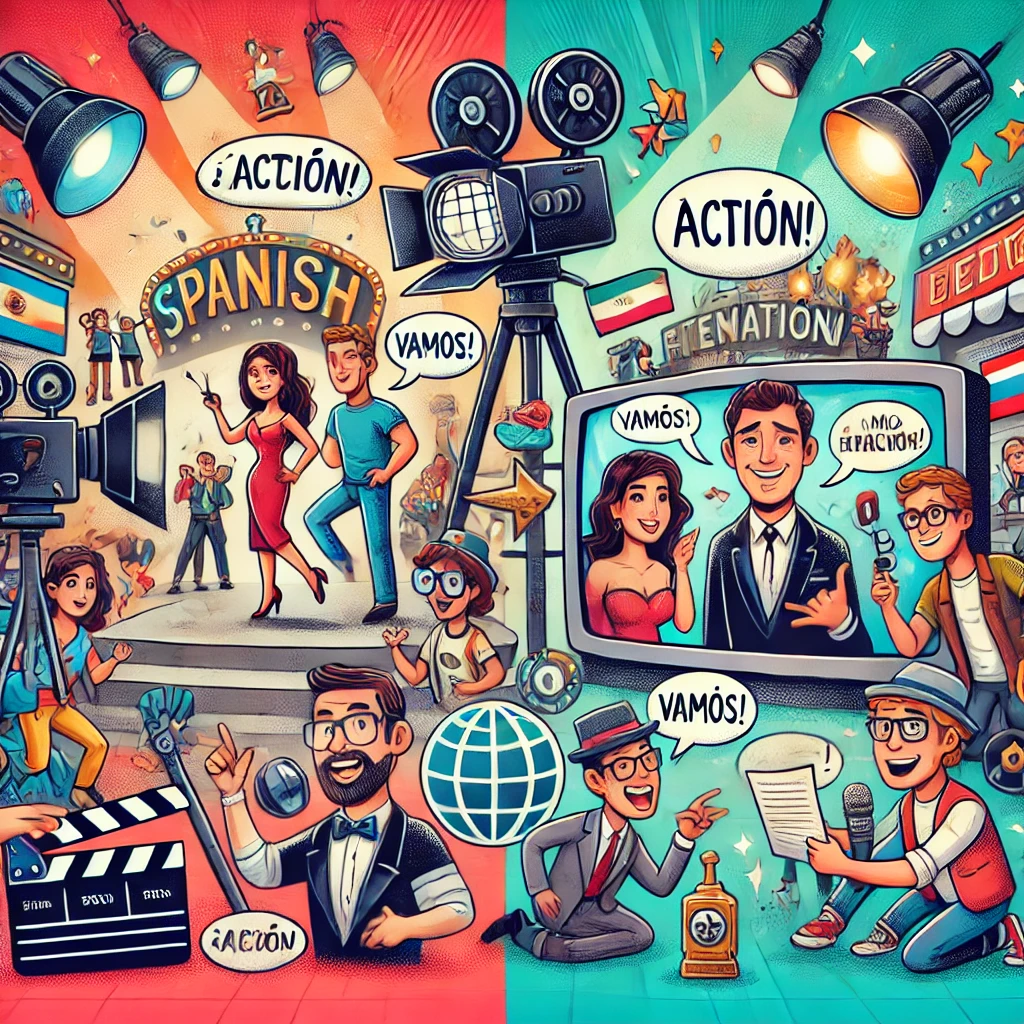
The global reach of the Spanish language in film and television has seen a significant increase over the last decade. As one of the world’s most spoken languages, Spanish has a vibrant and dynamic presence in media that spans continents. From blockbuster movies to bingeworthy TV series, Spanish-speaking audiences enjoy an ever-expanding range of content tailored to their linguistic and cultural preferences. The adaptation of Spanish language in these mediums not only broadens their reach but also enriches the storytelling experience for viewers and creators alike.
This rise can be attributed to several factors. For one, the growing Hispanic population in the United States has driven demand for more Spanish-language content. Additionally, streaming services such as Netflix, Amazon Prime, and Hulu have democratized access to international content, making it easier for Spanish-language films and TV shows to reach a global audience. These platforms have begun to recognize the commercial potential of Spanish-language programming, investing heavily in original content production.
Another key aspect is the increasing trend of local film industries in Spanish-speaking countries receiving wider recognition and acknowledgment through international film festivals and awards. Movies like “Roma,” directed by Alfonso Cuarón, and TV series like “Money Heist” (La Casa de Papel) have captivated global audiences, highlighting the rich storytelling tradition present in Spanish-language media. This article will delve into how these factors and more have shaped Spanish language adaptations in film and television. We’ll explore the influence, evolution, and future prospects of Spanish as a dominant force in global entertainment.
The Role of Streaming Platforms
Streaming platforms have revolutionized how audiences consume media, and Spanish-language content is no exception. Netflix, for example, has been a game-changer in this respect. With its global reach, Netflix has introduced Spanish-language shows and films to an international audience, breaking down language barriers and expanding the market for such content. “Narcos,” a crime drama series set in Colombia, became a cultural phenomenon, captivating viewers with its gripping storytelling and Spanish dialogue.
Streaming services offer a level of accessibility that traditional television networks can’t match. Spanish-speaking viewers can now access a wide array of content in their native language with just a few clicks. Moreover, the availability of subtitling and dubbing options makes Spanish-language programming accessible to non-Spanish speakers, further broadening its audience. Amazon Prime and Hulu have also joined the fray, producing and acquiring Spanish-language content to cater to this growing demand.
The investment in local productions has also surged. Netflix alone has produced numerous Spanish-language originals, from Mexican dramas like “Club de Cuervos” to Spanish thrillers like “Elite.” These shows are not just localized hits, though—they have achieved international acclaim, reflecting the universal appeal of their narratives and high production quality. This trend demonstrates the increasing recognition of the value and potential of Spanish-language content in the global entertainment market.
Cultural Representation and Authenticity
One of the most celebrated aspects of Spanish-language film and TV adaptations is their cultural authenticity. Spanish-language content offers a glimpse into the diverse cultures, traditions, and social issues of Spanish-speaking countries. This authenticity allows for a richer and more nuanced portrayal of characters and settings, resonating deeply with audiences both locally and internationally.
Series like Spain’s “Money Heist” have captivated not just with their gripping plots, but also with their authentic representation of Spanish culture and societal issues. Films like “Y Tu Mamá También” from Mexico provide raw, unfiltered insights into the country’s socio-economic disparities, traveling beyond mere storytelling into impactful social commentary. These authentic depictions not only entertain but educate viewers about the cultural contexts from which these stories emerge.
Moreover, cultural representation in Spanish-language films and TV shows contributes significantly to the global understanding and appreciation of Hispanic culture. When international viewers watch these adaptations, they are exposed to the rich tapestry of Hispanic life—its history, values, struggles, and triumphs. This exposure fosters a greater sense of connection and empathy, helping to bridge cultural gaps and promote multicultural understanding.
The Influence of Awards and Recognition
Prestigious awards and recognitions have played a crucial role in elevating Spanish-language films and television shows on the global stage. Hollywood has long been the epicenter of the entertainment industry, but films from Spanish-speaking countries have increasingly made their mark at prominent events like the Academy Awards, Golden Globes, and Cannes Film Festival.
The Oscar win for “Roma,” directed by Mexican filmmaker Alfonso Cuarón, is a noteworthy example. The film’s success brought international attention to the Mexican film industry and highlighted the potential of Spanish-language cinema to captivate audiences worldwide. Similarly, shows like “Money Heist” have received numerous accolades and nominations, further cementing the appeal and quality of Spanish-language television.
These recognitions pave the way for more Spanish-language productions to gain funding, distribution, and visibility. They also encourage filmmakers and producers to invest in high-quality, culturally relevant content, knowing there is a receptive global audience and critical appreciation awaiting. As a result, the overall quality and quantity of Spanish-language media continue to improve, enriching the global entertainment landscape.
Challenges and Opportunities
Despite the significant advances, the Spanish-language film and television industry still faces various challenges. Funding and resource allocation remain key issues, particularly for independent filmmakers and smaller production houses. While major streaming services and studios have begun investing in Spanish-language content, there is still a disparity in terms of budgets and resources compared to English-language productions.
Language barriers also persist as a challenge for wider accessibility. While subtitled and dubbed versions help, there can sometimes be loss in translation that impacts the story’s authenticity and viewers’ experience. Moreover, the perceived preference for English-language content in dominant markets like the United States can limit the exposure of Spanish-language media.
However, these challenges also present opportunities. The increasing demand for diverse and authentic content can drive innovation and creativity within the Spanish-language media industry. The rise of independent film festivals and online platforms provides alternative pathways for Spanish-language creators to showcase their work. Moreover, the growing trend of bilingual and multicultural audiences can further expand the reach and relevance of Spanish-language content.
The Future of Spanish-Language Media
Looking ahead, the future of Spanish-language media appears bright. The ongoing globalization of media consumption patterns, coupled with technological advancements, promises to provide even greater opportunities for Spanish-language films and TV shows to flourish. Streaming platforms will continue to play a vital role, not only as distributors but also as producers of original Spanish-language content.
Additionally, the growing bilingual and multilingual populations, especially in the United States, create a fertile ground for more hybrid content that seamlessly blends English and Spanish. This kind of media reflects the lived experiences of many Spanish speakers and caters to a diverse audience. As the concept of identity and language continues to evolve, so too will the nature of Spanish-language content.
Education and increased exposure to Spanish-language media can also foster more appreciation and demand. Language learners, for example, often use films and TV shows as tools to improve their skills, thus contributing to the viewership. The role of educational institutions in promoting Spanish-language media should not be underestimated.
Conclusion
The landscape of Spanish language adaptations in film and television is rich with potential and promise. From the influential role of streaming platforms to the authentic cultural representation, and from the accolades that validate the industry’s work to the challenges that spur innovation, the journey of Spanish-language media is dynamic and evolving.
As we move into the future, it is clear that Spanish-language films and TV shows will continue to capture the imaginations of a global audience. The increasing demand for diverse and authentic storytelling, along with the technological and societal trends that support it, will ensure that Spanish-language media remains an integral and influential part of the global entertainment ecosystem.
Whether you are a native Spanish speaker, a language learner, or simply a lover of good storytelling, the world of Spanish-language media offers something for everyone. As new stories emerge and old ones are reimagined, the adaptations of the Spanish language in film and television will undoubtedly continue to inspire, entertain, and educate audiences around the world.


