
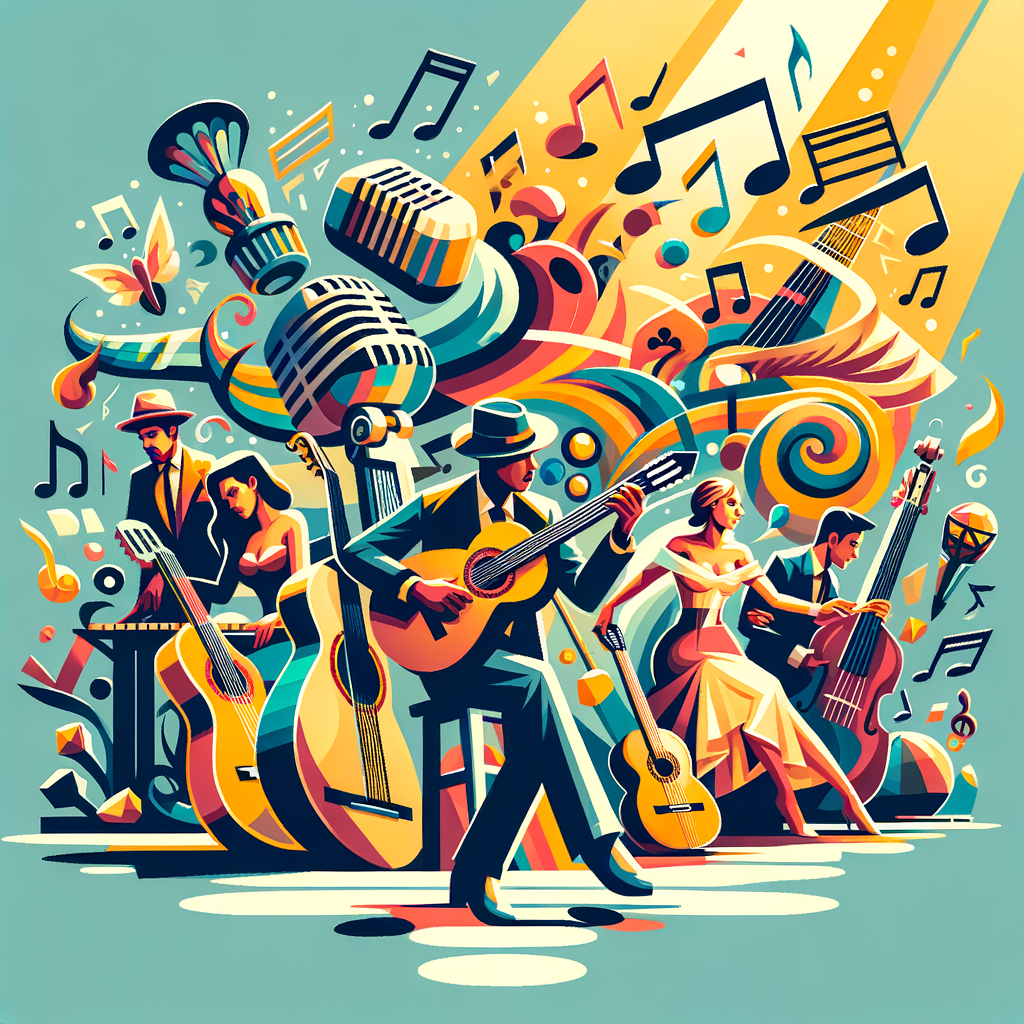
Music is a universal language that transcends borders, touching the hearts and souls of people worldwide. Within this vast musical tapestry, Spanish lyrics hold a special place, characterized by their emotive depth, cultural richness, and rhythmic vibrancy. However, understanding Spanish lyrics goes far beyond merely translating words from one language to another. It requires a deeper exploration into how different genres convey emotions, tell stories, and connect with audiences. Whether it’s the romantic ballads of Latin Pop, the poetic narratives of Trova, or the rebellious tones of Reggaeton, each genre brings its unique flair and history to the lyrics. As we delve into the intricacies of these genres, we discover how they reflect cultural identities, historical contexts, and social issues. This article aims to provide a comprehensive understanding of Spanish lyrics in various musical genres, unwrapping the layers of meaning and emotion that they encapsulate. By examining how different genres use language, rhythm, and cultural references, we unlock a more profound appreciation for the diversity and creativity within Spanish music. From romantic serenades to political anthems, Spanish lyrics continue to play pivotal roles in their genres, offering listeners a doorway into vibrant Hispanic cultures.
The Richness of Latin Pop
Latin Pop, with its infectious melodies and passionate lyrics, has captivated audiences globally. Rooted in the traditions of Spanish and Latin American music, this genre seamlessly blends elements of Pop with Latin rhythms like Salsa, Merengue, and Bachata. The lyrics often revolve around themes of love, heartbreak, and desire, employing poetic language and metaphor to paint vivid emotional landscapes. Artists like Shakira, Enrique Iglesias, and Luis Fonsi have brought Spanish lyrics to the mainstream, infusing their music with universal themes while retaining cultural authenticity. Understanding Latin Pop lyrics involves recognizing the subtleties in language used to express deep emotions, often intensified by the rhythmical allure of the music. For instance, the use of diminutives in Spanish adds a layer of intimacy to love songs, suggesting affection and tenderness. Moreover, Latin Pop lyrics are known for their storytelling quality, where narratives unfold with each verse, creating a vivid tapestry of imagery and emotion.
The Rebel Spirit of Reggaeton
Reggaeton has emerged as a powerful voice in the world of Spanish music, echoing the social and political issues that shape contemporary Latin America. With its origins in the underground music scenes of Puerto Rico, Reggaeton fuses Latin rhythms with Reggae, Hip-Hop, and Dancehall influences. The lyrics of Reggaeton are often characterized by their raw honesty and rhythmic flow, addressing themes like nightlife, love, inequality, and empowerment. Artists such as Daddy Yankee, Bad Bunny, and J Balvin have propelled Reggaeton into international prominence, using their lyrics as a platform for expression and change. Understanding Reggaeton lyrics involves navigating the colloquial and street language employed to articulate real-life experiences and narratives. The genre’s lyrics often reflect the vibrancy and struggle of urban life, presenting a tapestry of stories that resonate with young audiences. Yet, amidst the beat-driven songs, Reggaeton also contains an inherent message of resilience and hope, capturing the essence of modern Hispanic identity.
The Poetic Beauty of Trova
Trova is a genre deeply rooted in poetic traditions, often exploring themes of love, philosophy, and social commentary. Originating in the Cuban trova movement, this genre is characterized by its acoustic sound and lyrical depth. Trova artists, like Silvio Rodríguez and Pablo Milanés, use their music to convey profound messages about love, political issues, and human existence. The lyrics are often rich with metaphor, allegory, and introspection, reflecting the artists’ perspectives on life and society. Understanding Trova involves appreciating the complex language and the thought-provoking themes embedded in the music. The genre encourages listeners to reflect on the world around them, often challenging societal norms and encouraging change. Trova lyrics are a testament to the power of words and music in evoking thought and emotion, offering listeners a chance to explore the deeper meaning behind the simplicity of acoustic melodies.
The Rhythmic Appeal of Salsa
Salsa is another iconic genre that showcases the vibrancy of Spanish lyrics through its upbeat rhythms and dynamic performances. Originating from Caribbean and Latin American musical traditions, Salsa combines elements of Son Cubano, Jazz, and Afro-Cuban percussion. The lyrics are often celebratory, reflecting themes of love, dance, and cultural pride. Artists like Celia Cruz, Marc Anthony, and Héctor Lavoe have popularized Salsa, making its joyous and rhythmic complexity accessible to audiences worldwide. Understanding Salsa lyrics involves experiencing the energy and passion that the genre encapsulates, often conveyed through vivid imagery and cultural references. The lyrics play a crucial role in enhancing the overall experience of the music, encouraging listeners to engage in dance and celebration. Yet, beneath the upbeat tempo, Salsa also addresses issues of identity and belonging, capturing the essence of Latin American culture and history.
The Storytelling Nature of Corridos
Corridos are a significant genre in Mexican music, characterized by their storytelling nature and narrative style. These ballads often recount tales of heroism, history, and social issues, conveying complex narratives through simple yet powerful lyrics. Originating in the Mexican Revolution, Corridos served as a means of preserving and sharing stories of struggle and triumph. Understanding Corrido lyrics involves embracing the narrative form that they adopt, often employing a linear structure to guide listeners through the story. The genre’s lyrics embody history and folklore, often serving as a voice for the marginalized and oppressed. Artists like Los Tigres del Norte and Chalino Sánchez have used Corridos to highlight issues of immigration, poverty, and justice. The lyrics are steeped in cultural significance, offering insight into the lives and experiences of the people they portray, making them a vital component of Mexican musical heritage.
Conclusion
In the realm of music, Spanish lyrics exhibit a wide array of emotions, stories, and cultural experiences, intricately woven into various genres. Whether it’s the romantic allure of Latin Pop, the raw energy of Reggaeton, the introspective poetry of Trova, the vibrant spirit of Salsa, or the narrative depth of Corridos, each genre offers a unique perspective on life, love, and society. Understanding Spanish lyrics in different genres involves more than just translating words; it necessitates immersing oneself in the cultural contexts, historical backgrounds, and emotional nuances that each genre encapsulates. Through this exploration, listeners not only gain a deeper appreciation for the beauty and diversity of Spanish music but also connect with the profound artistic expressions that define the Hispanic cultural landscape. As Spanish music continues to influence and inspire audiences worldwide, it remains a testament to the transformative power of lyrics and melody, transcending boundaries and uniting people through shared human experiences.
Frequently Asked Questions
1. Why are Spanish lyrics considered to be richly emotive and culturally vibrant?
Spanish lyrics, much like the language itself, are noted for their melodic quality and expressive capacity. This emotiveness is deeply embedded in the cultural fabric of Spanish-speaking countries, where music forms an integral part of everyday life. From the passionate flamenco rhythms of Spain to the lively salsa beats of Latin America, each song is a storyteller weaving narratives of love, heartbreak, celebration, or social commentary. The lyrical content is often deeply poetic, using metaphors, similes, and allegories that draw from a wealth of historical, social, and cultural references. The vibrancy comes through in the dynamic nature of the Spanish language, capable of conveying a wide range of emotions, all of which are further enriched by the music’s rhythm and cadence. Understanding these elements allows listeners to appreciate the nuanced beauty of Spanish music far beyond its surface melody or translation.
2. How do different Spanish music genres influence the lyrics used?
Spanish music is incredibly diverse, and each genre brings its distinct flavor and influence to the lyrics. Flamenco, with its roots in Spanish Gypsy culture, often features deeply passionate and sorrowful themes, inspired by the struggles and triumphs of everyday life. Reggaeton, on the other hand, hailing from Puerto Rico, notoriously leans towards lively and energetic beats paired with lyrics that often delve into themes of love, dance, and nightlife. Corridos from Mexico are akin to storytelling ballads, typically recounting tales of significant historical events or personal anecdotes with a focus on heroism or moral lessons. These genres provide a cultural context that not only influences the music’s rhythm and instrumentation but also shapes the narrative and thematic content of the lyrics, providing insights into the societal norms and issues prevalent within those communities.
3. What role does language play in the emotional impact of Spanish lyrics compared to their English counterparts?
The Spanish language is uniquely equipped to deliver profound emotional impact due to its use of emotive forms and structures that may not have direct equivalents in English. For example, the subjunctive mood in Spanish allows a singer to convey hope, desire, or uncertainty in a nuanced manner that isn’t as readily available in English. Additionally, Spanish poetry often utilizes rich metaphors and a lyrical flow that resonate deeper emotionally, especially when coupled with the right musical accompaniment. Furthermore, Spanish lyrics can often derive their power from cultural references and idioms unique to Spanish-speaking regions, which, when understood, add layers of meaning and emotional resonance for listeners. This comprehension can create a shared emotive experience, transcending linguistic barriers and uniting audiences worldwide.
4. What challenges do non-Spanish speakers face when trying to understand Spanish lyrics?
Non-Spanish speakers may encounter several challenges when attempting to understand Spanish lyrics. First, there’s the obvious language barrier; even if one has a basic understanding of Spanish, slang, regional dialects, and idiomatic expressions prevalent in lyrics can be difficult to grasp without cultural context. Metaphors and poetic devices often do not translate directly, leading to potential misunderstandings or loss of the original emotional intent. Another challenge lies in the speed and fluidity with which Spanish is often sung, particularly in genres like reggaeton or salsa, where rapid tempo and energetic delivery can make individual words hard to catch. Furthermore, cultural references that ground a song in a specific socio-political or historical context might be foreign to those not familiar with the region’s history or culture, adding another layer of complexity to understanding the full depth of the lyrics.
5. How can someone better understand and appreciate the depth of Spanish lyrics?
To truly appreciate the depth of Spanish lyrics, one should undertake a holistic approach that includes linguistic study, cultural immersion, and musical exploration. Language learning is an obvious first step—picking up basic Spanish can greatly enhance one’s ability to grasp and appreciate the nuances in lyrics. However, language alone is not enough. Familiarizing oneself with the cultural and historical backgrounds of Spanish-speaking countries through literature, film, and conversation with native speakers will provide the context necessary for deeper understanding of lyrical content. Additionally, listening to a wide variety of Spanish music across genres will expose one to different stylistic and narrative techniques. Engaging with online communities or forums where interpretations and meanings of songs are discussed can also offer invaluable insights, enriching one’s experience of Spanish music and helping one appreciate the artistry behind the words.


