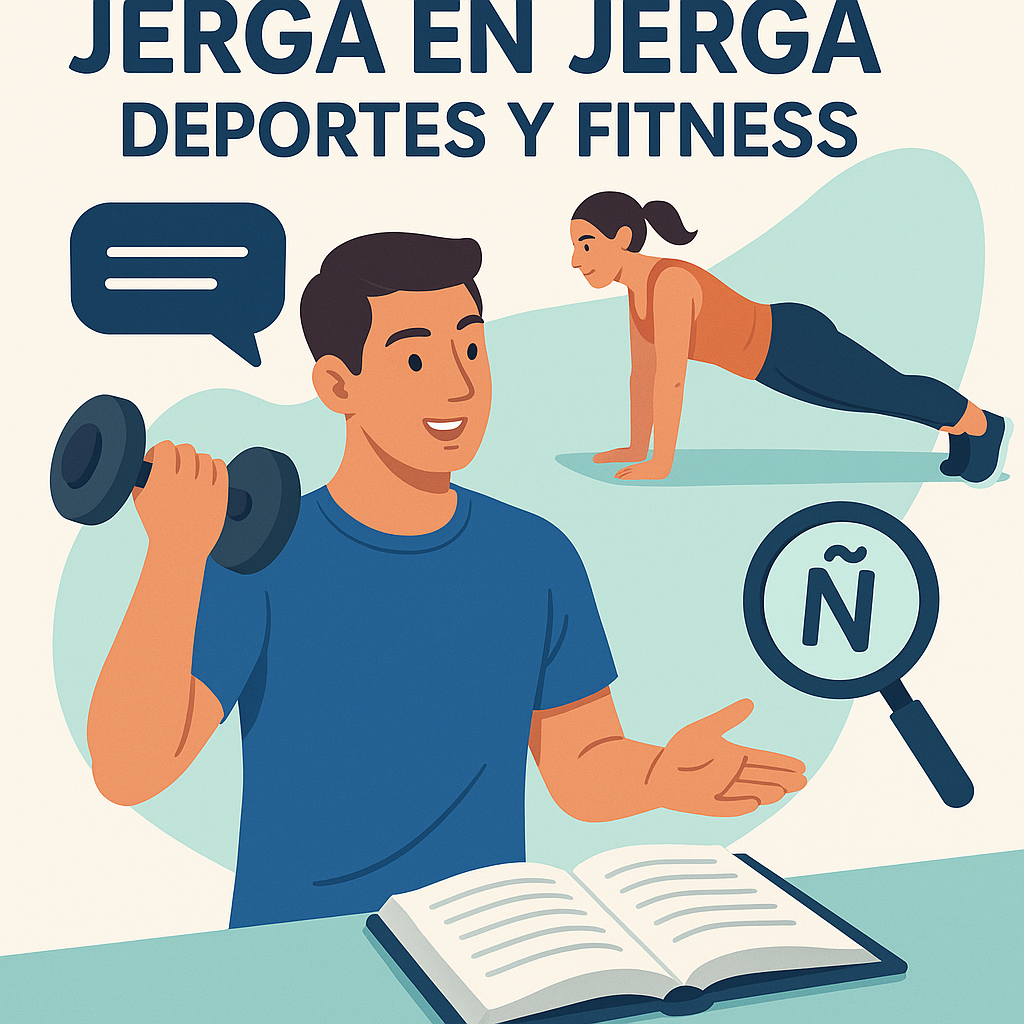
Language often extends beyond its literal form, reflecting not only distinct cultural nuances but also particular communities, such as sports and fitness enthusiasts. Understanding Spanish slang in sports and fitness is not just about learning new words; it is about delving deeper into cultural significance and communal camaraderie. In the globally interconnected age we live in, where language barriers are continually breaking down, the importance of understanding these colloquial expressions intensifies. Whether you’re an athlete, a fitness enthusiast, or merely a fan of Spanish-speaking sports events, grasping these slang terms can enhance your appreciation and communication, offering you an insider’s perspective to more effectively connect on and off the field.
Key terms such as “pibe,” “cabezazo,” or “sudaca” are dynamically employed within the sporting context in myriad ways, often carrying implications that go beyond their literal translations. While “pibe” refers to a young player or beginner with potential, “cabezazo” denotes a forceful impact using the head, commonly seen in soccer. “Sudaca,” however, might emerge as a more controversial term; derived from “sudamericano” (South American), it is sometimes used both playfully and pejoratively to describe a player, demonstrating how context can shift meaning dramatically.
Knowing the nitty-gritty of sports jargon requires understanding their origin and usage. Sporting contexts are raw and real, where players, trainers, and fans echo sentiments through slang, creating bonds through laughter, comradery, or even rivalry. Appreciating the cultural context in which these terms are used allows enthusiasts and professionals alike to improve communication efficacy, establish rapport, and foster a deeper connection to the sports they love. Let’s explore this further by delving into the different realms of Spanish slang in sports and fitness.
Football (Soccer) Slang: Understanding the Global Game
Football, or soccer as known in some countries, holds a revered status in the world sports arena. In Spanish-speaking countries, this sport’s jargon is peppered with colorful slang that captures the fervor of the game. Terms like “golazo,” “futbolero,” and “marcar” are everyday staples for fans and players alike, encapsulating both the triumphs and tribulations of the sport.
The word “golazo,” for example, underscores an incredible goal. It carries weight, not just as an adequate score, but as a magnificent, often aesthetically pleasing act during play. For instance, imagine a young footballer dexterously navigating past defenders before striking a precise shot into the net’s top corner—that moment is a “golazo.” Similarly, “futbolero” describes an individual with an intense passion and dedication to soccer, which often transcends the pitch, embedding itself into rituals and daily life.
Conversely, “marcar” is a term with dual uses, describing both the act of scoring (a goal) and the act of marking an opponent in defensive play. This duality exemplifies the shared language, evolving organically according to game developments. Recognizing these terms and their intricate meanings not only improves one’s understanding of the game but also enriches engagement with Spanish-speaking sports fans worldwide.
Athletics and Fitness: A Culture of Motivation
While football often takes center stage, the realm of athletics and physical fitness in Spanish-speaking communities is buoyed by its own motivational lexicon. Phrases like “ponerse las pilas” or “tener garra” are truly emblematic, spurring athletes and fitness enthusiasts on to push their limits.
“Ponerse las pilas” literally means “to put in the batteries,” used as a metaphor for getting energized or motivated, akin to “getting one’s act together.” This idiom is prevalent when training regimens become taxing or monotonous. Personal trainers might urge their clients to “ponerse las pilas” when enthusiasm wanes during a grueling workout session.
Equally stirring is “tener garra,” translating to “having claw,” symbolizing tenacity and fighting spirit. This term is used within the spectrum of competitive sports and general fitness circles alike, symbolizing not just the desire to win but the relentless spirit to excel. Consider a marathon runner fighting through fatigue, harnessing that inner “garra” to persevere to the finish line—a testament to the fortitude that sport demands.
Below is a breakdown of motivational phrases, illustrating their widespread adoption:
- “Ponerse las pilas” – Get motivated or energized
- “Tener garra” – Show tenacity and fighting spirit
- “Dar la talla” – Meet expectations or rise up to a challenge
- “Sudar la camiseta” – Work hard or give one’s all
Slang in Team Sports: Building Unity and Identity
Team sports in Spanish-speaking cultures are flavored with slang that develops camaraderie and fosters identity. Whether it is in basketball, baseball, or volleyball, a shared linguistic code emerges, distinguished by terms like “jugón,” “robar el balón,” and “canasta.”
The term “jugón” denotes an exceptional player whose skills frequently change the course of a game. Analogous to the English term “playmaker,” a “jugón” is often seen as a linchpin in strategic plays. Coaches and teammates respect and rely on this individual’s abilities to galvanize performance and uplift team morale.
“Robar el balón,” directly meaning “to steal the ball,” is common in sports involving possession, such as basketball and soccer. This phrase signifies athletic prowess or strategic acumen, often creating pivotal moments that can turn the tide in a team’s favor.
In baseball or basketball, “canasta” translates to “basket,” referring directly to goals or points scored. Each canasta is celebrated, forming the backbone of many team sports where high scores often dictate success and influence the intensity of play. Communal celebrations and chants often revolve around these moments, bringing fans and players together in joyful expression.
Boxing and Martial Arts: Respect and Rivalry through Words
Boxing and martial arts carry a unique lexicon reflecting their combative nature, often described through terms like “golpe” and “gancho,” embodying the sport’s physicality and resilience.
“Golpe,” meaning “strike” or “punch,” is fundamental in boxing. It defines not only the physical act but carries connotations of precision, timing, and strength. Fighters meticulously train to refine their “golpes,” turning these strikes into tactical advantages that define the rhythm and outcome of matches.
Another critical term is “gancho,” or “hook,” a particular punch famed for its knockout potential. Beyond its literal application, “gancho” symbolizes an athlete’s strategic ingenuity, much esteemed by commentators and fans when executed masterfully in the ring.
Beyond technique, “mano a mano” is used metaphorically to describe a head-to-head competition, transcending beyond boxing to describe any high-stakes rivalry. Appreciating the subtleties of these terms provides an enriched understanding of these sports’ demanding nature and the intense respect competitors harbor for one another.
Summarizing the Intersection of Language and Athletics
In the vast realm of Spanish slang used in sports and fitness, we uncover a fascinating interplay where language reflects athletic passion, cultural pride, and communal bonds. Understanding these terms enhances our appreciation of sportsmanship and competitive spirit, allowing enthusiasts to bridge communication gaps, share in excitement, and immerse themselves in the rich cultural backdrop surrounding their favorite games.
Through this exploration, we’ve traversed the expressive spectrum from soccer’s fervent community-driven expressions, to motivational phrases in fitness, to the teamwork embodied in phrases from team sports, and lastly, the strategic mastery evident in combat sports lexicon. Each reflects shared values within communities and aids in developing a genuine connection to both the athletes and fans.
Recognizing and appreciating the nuances of Spanish slang in sports and fitness does more than enrich vocabulary—it embodies a cultural embrace, a way to relate and communicate with millions of fans and professionals across borders. Whether you desire to converse more effectively with fellow fans or gain deeper insights into the sports you cherish, engaging with these expressions can facilitate more authentic connections. Take the next step and practice using these terms; immerse yourself in games, connect with Spanish-speaking communities, and watch your sporting experiences transform.
Final Thought: Don’t just learn these terms—use them. Watch games, subscribe to sports channels, and engage with the community. Communicate and enrich your sporting journey.
Frequently Asked Questions
1. What is the importance of understanding Spanish slang in sports and fitness?
Understanding Spanish slang in sports and fitness is crucial for anyone looking to communicate effectively in these settings. Slang is often reflective of cultural nuances and the camaraderie found within specific communities. By understanding and using these colloquial expressions, you not only gain insight into the cultural underpinnings of the sports and fitness world but also enhance your interpersonal connections with others who share these interests. In an age where language barriers are increasingly being bridged, having a grasp of these terms helps you integrate more fully into communities, whether you’re working out in a Spanish-speaking gym or following your favorite Spanish-speaking athletes.
2. Can you give examples of common Spanish slang terms used in sports?
Sure! Here are a few examples:
- “Choca esos cinco”: Literally meaning “high five,” this phrase is a common way to celebrate a shared success or a good play.
- “Pichichi”: This term is often used to refer to the top goal scorer in soccer. It’s a nod to the legendary Spanish footballer Rafael Moreno Aranzadi, known as “Pichichi”.
- “Correr como un burro”: This colorful expression means to run very hard or give it your all. It can be compared to saying “work like a dog” in English, applied to running.
- “Darlo todo”: Simply translates to “give it your all,” which is often shouted to encourage athletes to put maximum effort into their performance.
3. How does one incorporate Spanish slang into their sports and fitness routines?
Incorporating Spanish slang into your sports and fitness routine can be as simple as starting to use some key terms in conversation with Spanish-speaking teammates or trainers. Begin by learning a few expressions relevant to the activities you engage in, whether it be team sports, cycling, or gym workouts. Don’t hesitate to ask native speakers for corrections or suggestions to improve your usage. During team huddles or pep talks, use phrases like “vamos a tope” (let’s go full throttle) to motivate your peers. Additionally, engage with content such as Spanish sports broadcasts, interviews, and articles, which can give you a real-time learning experience to hear and see the slang in context.
4. What challenges might I face when learning Spanish slang in the context of sports and fitness?
One potential challenge when learning Spanish slang is the regional variation in expressions. For instance, a term that is common in Mexico might not be used or might mean something different in Argentina or Spain. This requires a level of adaptability and willingness to learn from context. Another challenge is the constantly evolving nature of slang; new terms pop up quickly and may replace old expressions. It’s also possible to misinterpret the cultural significance or context of a slang word if you’re not familiar with the broader cultural landscape. To overcome these challenges, immerse yourself in diverse Spanish-speaking sporting communities and keep an open mind to regional specificity and language dynamics.
5. What resources can help me improve my understanding of Spanish slang in sports and fitness?
To improve your understanding of Spanish slang in sports and fitness, consider utilizing a variety of resources:
- Language Exchange Meetups: Join local or virtual groups where you can practice speaking with native Spanish speakers who share your sports or fitness interests.
- Online Forums and Communities: Engage in discussions on platforms like Reddit or Facebook groups dedicated to Spanish-speaking sports enthusiasts.
- Sports Podcasts and YouTube Channels: Follow content creators who discuss sports and fitness in Spanish to hear slang used in a natural context.
- Phrasebooks and Slang Dictionaries: Invest in resources dedicated to Spanish sports slang, which can give you a curated list of phrases and their meanings.
- Spanish Sports Telecasts: Tune into live sports action broadcast in Spanish to catch the slang used by commentators and players in real-time.