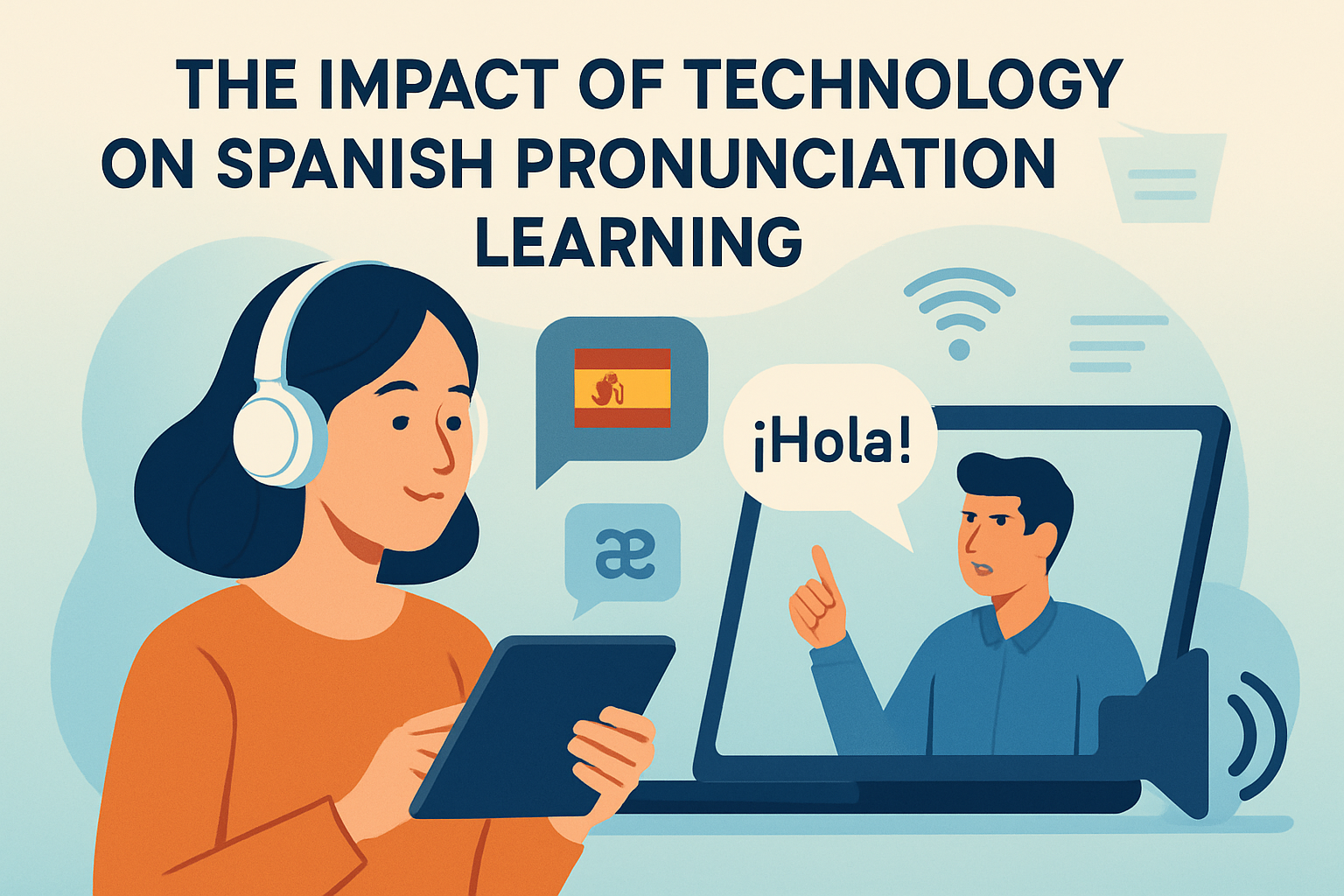
In today’s interconnected world, understanding foreign languages can be a significant asset, especially Spanish, one of the most widely spoken languages globally. With over 460 million native speakers, Spanish is the second most spoken language by native speakers after Mandarin. Whether for personal growth, travel, work, or simply to acquire a new skill, learning Spanish opens up a world of opportunities. Yet, traditional language classes or textbooks may not suit everyone. Fortunately, technological advances have revolutionized language learning. YouTube, the world’s most popular video platform, has emerged as a valuable tool for learning languages, including Spanish. This article explores how YouTube can aid language learners in understanding Spanish effectively, providing resources, tips, and various channels that cater to different learning needs and preferences.
YouTube provides language learners with dynamic and immersive content, making vocabulary, pronunciation, and comprehension more accessible. These videos range from beginner lessons focusing on basic vocabulary to advanced conversational Spanish video series. The interactive nature of videos, accompanied by visuals and sound, caters to various learning styles. In particular, YouTube offers the flexibility of learning at one’s own pace, rewinding to capture key phrases, and the convenience of accessing a diverse set of learning materials. Furthermore, YouTube’s vast community aspect allows learners to engage with other users, ask questions, and even interact with native speakers, all contributing to a holistic language learning experience. Delve into how YouTube can be a cornerstone in mastering Spanish, providing an engaging and effective path to becoming conversant or even fluent without traditional classroom constraints.
Benefits of Learning Spanish Through YouTube
YouTube offers an unparalleled opportunity for language learners by bringing together an extensive array of content specifically tailored for those learning Spanish. The platform’s accessibility from any device with internet connectivity makes it an easy choice for consistent learning. One of the primary advantages is the ability to choose from thousands of tutorials that emphasize different aspects of the Spanish language, such as grammar, pronunciation, vocabulary, and conversational skills. Additionally, these videos often incorporate cultural elements that give context to the language, providing a dual advantage of language and cultural exploration. Many channels are hosted by native Spanish speakers, offering authentic accents and nuances in dialects that might not be captured in a textbook.
Moreover, YouTube supports customization through its algorithm, which suggests videos based on past viewership, making it easier for learners to find relevant content. The range of content creators spans professional educators to passionate polyglots, offering a variety of teaching styles to match individual preferences. Learners can find interactive lessons, quizzes, and video captions that assist them in pronouncing words correctly and understanding their meaning within sentences. Some videos focus on slow pronunciation and repetition, catering to beginners, while others dive into fast-paced dialogues for advanced learners. The varying formats of content help sustain interest over long periods, crucial for maintaining motivation and continuous learning progress.
Additionally, YouTube’s comment and community section provide learners with an interactive platform to ask specific questions and discuss language challenges with other learners. This interactive feature encourages exposure to different viewpoints and tips from fellow language enthusiasts worldwide. Authors of videos often respond to questions and provide additional answers, creating a virtual classroom atmosphere. Furthermore, watching YouTube videos in Spanish with subtitles is particularly beneficial for developing listening skills and enhancing comprehension. Subtitles can aid in bridging the gap between auditory information and written word, essential for visual learners.
Tips for Effective Learning
To maximize the benefit of learning Spanish through YouTube, it helps to have a structured plan. First, assess your current proficiency level and set clear, measurable goals. Goals might range from learning basic conversational Spanish for an upcoming trip to becoming proficiently fluent for professional reasons. Given these objectives, search for channels suited to your level of expertise. Subscribing to several channels covering varying difficulty levels can offer a more comprehensive approach, catering to immediate and future learning needs. It is critical to choose content that engages and resonates with you. Enjoyable content can enhance retention and make the learning journey rewarding rather than cumbersome.
Next, commit to a regular schedule, with consistent short daily sessions being preferable to prolonged irregular sessions. Shorter daily exposure aids memory retention and reinforces learning. Use playlists to organize videos as you would chapters in a textbook, aligning them with specific goals, such as verb conjugations or vocabulary expansion. Take advantage of technology to customize playback speed, slowing down fast speakers or speeding up slower ones. This allows you to adjust the learning pace according to unique comprehension abilities. Pausing, replaying, and taking notes during videos encourages active engagement and deeper understanding.
Another crucial tip is to practice speaking as much as listening and watching. Mimicking native speakers improves pronunciation and helps in developing a natural speaking style. Additionally, engaging with native Spanish content, such as vlogs, news bulletins, and entertainment programs, can provide rich context beyond textbook dialogues. Complementing structured lessons with authentic content helps users see the practical application of language skills in everyday life. Remember, language acquisition is progressive; balancing patience with perseverance is key to gaining fluency over time.
Recommended YouTube Channels and Resources
Several YouTube channels offer comprehensive Spanish learning programs. “Butterfly Spanish” is excellent for beginners who want detailed breakdowns of foundational concepts. Vanessa, the host, simplifies complex grammar, making the language more approachable. “SpanishPod101” offers audio and video lessons that provide cultural context, dialogues, and vocabulary lists. It caters to different competence levels and is ideal for those who want structured language courses coupled with real-world applications.
For those seeking immersive experiences, “Easy Spanish” features street interviews with subtitles, helping learners listen to casual, conversational Spanish. This channel targets intermediate and advanced learners who wish to develop comprehension skills in the context of natural conversations. Additionally, “SpanishDict” offers quick, concise lessons and a vast library of grammar explanations, suitable for learners seeking clarity on specific topics.
Channels like “Coffee Break Spanish” offer a series format, presenting structured learning with episodes building upon previous ones, providing continuity and progress tracking. For learning through entertainment, explore “Destinos: An Introduction to Spanish”, which integrates language learning into a captivating drama series, making it an enjoyable way to learn new vocabulary and sentence structures within a storyline. Further supplement your learning with “Un Profesor”, which covers detailed Spanish grammar and vocabulary tutorials.
Using YouTube’s Features to Enhance Learning
YouTube offers several unique features that enhance language learning effectively. Engage the closed captions feature, which provides on-screen annotations of spoken content. Captions assist users in catching words they might miss, a valuable tool for breaking down unfamiliar Spanish sounds into comprehensible pieces. Additionally, many videos offer dual-language subtitles, perfect for comparing Spanish audio to English text. Use the timestamped comment feature to jump to specific parts of the video focusing on particular talk points or lessons.
Another underrated feature is the playlist creation tool, allowing users to curate personal learning lists with similar themes or difficulty levels. This organizes content for easy access and can serve as a personal syllabus. Engage with the platform’s search and filter options to find videos with specific focuses, such as “Spanish vocabulary for business” or “Spanish pronunciation exercises.” Active participation in YouTube’s community areas, including comments sections and video forums, offers invaluable peer-to-peer learning. Learners can express thoughts, clarify doubts, and exchange language use tips. Accessing video transcripts, when available, also enables a deeper linguistic analysis, helping to pick up new expressions or idiomatic use of Spanish words.
Conclusion
Learning Spanish through YouTube harnesses the engaging power of video content, opening linguistic avenues that delight and educate. YouTube’s comprehensive library caters to learners across diverse skill levels, from absolute beginners to advanced speakers seeking fluency. Its ability to combine visual, auditory, and written elements presents a robust approach to language acquisition that textbooks alone may not offer. Channels presented in the article illustrate the extensive resources accessible to learners, allowing for the personalized development of language skills.
As we navigate a digital world, the preference for versatile, self-directed learning tools becomes prominent. YouTube caters to this demand through its flexibility and interactive community, nurturing an environment conducive to steady language improvement. Achieving fluency necessitates discipline, regular practice, and active engagement. Utilizing YouTube’s diverse features and vast content range can significantly bolster your Spanish learning endeavor, offering a rich cultural and linguistic immersion experience. Whether your aim is casual conversation or professional communication, employing YouTube as a learning tool transforms language learning into an accessible, enjoyable, and dynamic journey.
YouTube’s inherent potential lies in bridging gaps between learners and native language speakers, creating a world of linguistic possibility at their fingertips. It stands as a testament to how modern technology can enhance traditional linguistic education, paving the way for more open, connected, and multicultural communication. Embracing this tool will not only enhance linguistic proficiency but will also open doors to cultural insights and broaden global perspectives in the vast world of the Spanish language.
Frequently Asked Questions
1. How effective are YouTube videos for learning and understanding Spanish?
YouTube videos can be incredibly effective for learning and understanding Spanish, as they provide a unique, engaging, and dynamic way to grasp the language. As a platform, YouTube offers a vast library of content from native speakers, covering a wind range of topics that cater to learners of different levels and interests. Unlike traditional methods that might rely heavily on rote memorization and less engaging activities, YouTube introduces interactive and visually stimulating resources. Language channels often include elements like cultural references, everyday dialogues, and subtitles, which are crucial for auditory and visual learners. Furthermore, the accessibility of videos allows you to practice your listening skills and pick up on real-world accents and slang, which traditional textbooks might not cover comprehensively.
2. How do I choose the right YouTube channels to learn Spanish effectively?
The key to selecting the right YouTube channels for learning Spanish involves a few important considerations. First, identify your specific learning goals and level. If you’re a beginner, you might want to start with channels that focus on foundational vocabulary and simple sentence structures. Channels like “SpanishPod101” or “Butterfly Spanish” deliver structured lessons suitable for beginners. Intermediate learners can benefit from channels that offer more complex grammar tutorials and conversational scenarios, such as “Why Not Spanish?” or “Learn Spanish With Pablo.” Advanced learners, on the other hand, might move towards channels that delve into native-level content like “youtubers” who produce lifestyle, travel, or educational content in Spanish. It’s also useful to look for channels that provide content with subtitles in both Spanish and your native language, which can significantly aid in comprehension and learning contextually.
3. What types of YouTube content are most beneficial for Spanish learners?
A diverse range of content types can be highly beneficial for Spanish learners on YouTube. Educational channels focusing on language instruction are a great start for structured learning. They offer step-by-step lessons on grammar, vocabulary, pronunciation, and cultural nuances. Podcasts and vlogs (video blogs) are fantastic for improving listening comprehension and picking up on conversational Spanish, as they simulate real-life dialogues and cover everyday topics. Additionally, watching Spanish-language TV shows, movies, and music videos with subtitles can also enhance listening skills and increase vocabulary through entertainment. Channels that cover culture, travel, and experiences in Spanish-speaking countries offer contextual learning, providing insights into the cultural contexts of the language. Finally, interactive content like quizzes or comment engagement in videos can solidify your learning and test your comprehension in fun, engaging ways.
4. Can I become fluent in Spanish only by using YouTube videos?
While YouTube videos are a fantastic resource, becoming entirely fluent in Spanish solely through YouTube is challenging, yet possible with dedication. Fluency involves a comprehensive understanding and the ability to communicate effectively in diverse situations. YouTube, as a single tool, excels in improving listening skills and enhancing vocabulary, accent, and cultural understanding, thanks to vast exposure to native speakers and diverse content. However, achieving fluency typically requires additional efforts outside of passive learning. Consider integrating YouTube with other learning strategies such as conversation practice with native speakers, whether through language exchange programs or conversational classes (online or offline). Engaging in writing and reading Spanish materials and consistent practice in a wide array of real-life contexts is crucial. YouTube can indeed be a springboard for fluency, but like any language journey, a well-rounded approach yields the best outcome.
5. How can I make the most out of using YouTube to learn Spanish?
To maximize your learning experience with YouTube, consistency and interactivity are key. Start by setting clear, specific learning goals to focus your efforts, such as mastering a specific number of vocabulary words per month or understanding a certain grammar concept each week. Create a daily or weekly schedule to watch and engage with content, ensuring you’re consistently practicing. Try to interact with the videos actively; take notes, repeat after the speaker, and use the pause button to replay challenging sections or jot down new words. Subscribing to various channels can divide your learning into smaller, enjoyable sessions based on content type—grammar, cultural insights, or conversation practice. Engage in comments or with language communities on YouTube to ask questions or contribute thoughts, enhancing your understanding and reinforcing the new information. Finally, combine passive watching with active learning methods such as flashcards (like Anki or Quizlet) to retain vocabulary and grammar efficiently.