The Spanish language is a vibrant patchwork of dialects and regional varieties, each reflecting the unique local culture and history of the speakers. Nowhere is this more evident than in the Caribbean. The Caribbean Spanish, spoken across islands like Cuba, Puerto Rico, and the Dominican Republic, offers an intriguing glimpse into the linguistic melting pot that characterizes this region. Influenced by indigenous languages, African dialects, and European settlers, Caribbean Spanish is a dynamic and ever-evolving dialect that mirrors the rich cultural tapestry of the islands. Diving into the vocabulary, pronunciation, and grammatical nuances of Caribbean Spanish can be both enlightening and essential for anyone looking to understand the linguistic diversity of the Spanish-speaking world.
In this article, we will explore the unique features that distinguish Caribbean Spanish from other varieties of Spanish spoken worldwide. From the colorful colloquialisms and slang unique to the region, such as “chévere” (cool or great) or “asere” (friend), to the phonetic characteristics and grammar that mark it as distinctive, we will delve into the linguistic richness that the Caribbean offers. By understanding these elements, not only will we gain a deeper appreciation for the language itself, but we will also uncover stories of historical and cultural significance tied to these linguistic traits.
Historical Influences on Caribbean Spanish
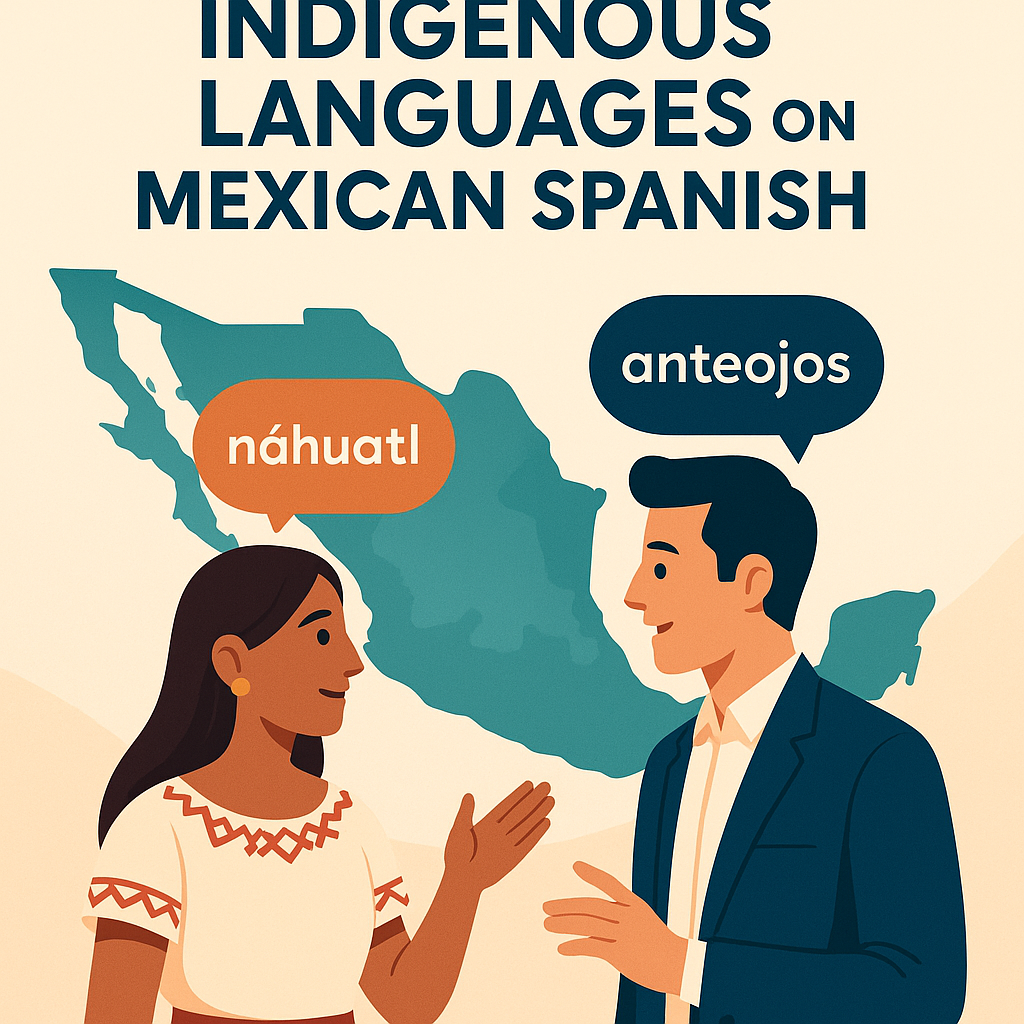
The Caribbean region’s history is a testament to the mingling of various cultures, languages and peoples. Before the arrival of the Spanish, the islands were home to indigenous groups like the Taíno and Carib people. Their languages have left a lasting imprint on Caribbean Spanish, with numerous words of Taíno origin still in use today. For example, words like “hamaca” (hammock), “barbacoa” (barbecue), and “canoa” (canoe) all trace their origins to Taíno languages.
The era of European colonialism also brought about significant linguistic changes. The Spanish colonizers brought their language, but it did not remain pure for long. African slaves brought to the Caribbean contributed immensely to the region’s linguistic diversity. The blending of African languages with Spanish led to the creation of a unique vernacular, particularly visible in the vocabulary and rhythm of Caribbean Spanish. African influence can be seen in words like “ñame” (yam) and cultural expressions tied to music and dance, such as “rumba” and “conga.”
Additionally, the contact with other European settlers, such as the British, French, and Dutch, added another layer of complexity. The intermingling of these languages with Spanish gave rise to loanwords and phrases that found their way into daily Caribbean Spanish. Words like “bochinche” (gossip) and “guagua” (bus) highlight this mix. Thus, each historical era contributed unique elements, creating a lexicon that is rich and layered.
Phonetic Characteristics
One of the most distinguishing features of Caribbean Spanish is its phonetics. Many Spanish learners first notice that the Caribbean dialect sounds notably different from the Spanish spoken in Spain or other parts of Latin America. This difference stems from specific phonetic characteristics unique to the Caribbean.
A common feature is the dropping of the letter “s” at the end of syllables. For example, “los libros” (the books) often sounds like “loh libroh.” This phonetic phenomenon is known as “aspiration” or “s-deletion” and is widespread in vocal expressions throughout the Caribbean. Another distinctive trait is the pronunciation of the “r” sound. In many parts of the Caribbean, the “r” is pronounced as an “l,” so “para” (for) may sound like “pala.” This switch, known as “lambdacism,” is a signature trait among many Caribbean Spanish speakers.
Caribbean Spanish speakers also exhibit a tendency towards elision—the omission of syllables or sounds within a word. For instance, “para” might be heard as “pa,” and “está” (is) can be reduced to “‘ta.” These phonetic shortcuts are not just a matter of linguistic economy but also contribute to the rhythmic and melodic quality of Caribbean Spanish, making it unique and vibrant.
Regional Vocabulary and Slang
The regional vocabulary and slang in Caribbean Spanish are some of its most interesting and colorful aspects. Each island has its unique expressions and idioms that reflect local culture and customs. For example, in Cuba, the word “guagua” is commonly used to refer to a bus, whereas in Spain, the word “autobús” is preferred. Meanwhile, in Puerto Rico, the word “china” is used to describe an orange, differing from the more universally recognized “naranja.”
The Caribbean is also known for its rich array of slang and colloquialisms. Words like “chévere” (cool, great), “asere” (friend), and “jevo/a” (boyfriend/girlfriend) are integral to the local parlance and provide a real insight into the camaraderie and social life of the Caribbean people. These slang terms not only enrich the vocabulary but also offer a glimpse into the lifestyle and values of the community.
Further, certain idiomatic expressions are unique to the region and often untranslatable. For example, the Dominican phrase “estar en mala” means being in a bad situation or down on one’s luck, a nuanced expression that speaks volumes in few words. Such idioms and expressions make Caribbean Spanish colorful and engaging, resonating with the region’s lively cultural backdrop.
Grammatical Nuances
While the core grammar of Caribbean Spanish aligns with standard Spanish, there are some noteworthy differences. One notable feature is the use of pronouns. In places like Puerto Rico and the Dominican Republic, speakers often use “tú” (informal you) and “usted” (formal you) interchangeably, blurring the lines customary in other Spanish-speaking regions.
Another grammatical nuance is the use of diminutives. In Caribbean Spanish, diminutives are not only used to convey smallness but also familiarity or affection. For instance, “cafecito” doesn’t merely mean a small coffee but often implies a cozy, friendly atmosphere where the coffee is served.
Verb conjugations in Caribbean Spanish can also sometimes diverge from the norm. The use of past tense is often simplified, making the speech more fluid but still understandable. Additionally, commands and the subjunctive mood may exhibit regional variations, highlighting the informal and adaptive nature of the dialect.
Understanding these grammatical quirks is essential for anyone keen on mastering Caribbean Spanish, as they offer a deeper understanding of how the language is lived and breathed in the daily lives of its speakers.
Music and Its Linguistic Influence
The Caribbean is synonymous with vibrant musical traditions such as salsa, reggaeton, bachata, and merengue. These genres are more than just entertainment; they are powerful cultural expressions that have also influenced the Spanish language spoken in the region.
Many popular songs introduce slang and colloquialisms to wider audiences, perpetuating and evolving local vocabulary. For instance, terms like “parranda” (party, similar to fiesta), and “mambo” (a type of Cuban dance and music) have become embedded in Caribbean Spanish through their frequent use in popular music.
Lyrics often reflect everyday life, politics, and social issues, making them a rich repository of contemporary Caribbean Spanish. Songs become a medium for storytelling, preserving oral traditions while adapting to modernity. Words and phrases coined or popularized in music often find their way into everyday conversation, keeping the language dynamic.
Moreover, the rhythmic elements of Caribbean music influence speech patterns, adding to the melodic and expressive nature of the spoken language. Music not only shapes vocabulary but also enhances the cultural context in which the language is situated, making it a critical area of study for those interested in the intricacies of Caribbean Spanish.
Conclusion
Understanding Caribbean Spanish is like embarking on a journey through history, culture, and music, revealing the rich mosaic of influences that shape this distinctive dialect. Its vocabulary, phonetic characteristics, and grammatical nuances offer more than just language lessons; they provide insights into the lived experiences and cultural heritage of the Caribbean people. From the echoes of Taíno words to the rhythm of African beats and the flavors of Spanish colonialism, each element adds to the vibrancy of Caribbean Spanish.
As we unraveled the layers of this unique dialect—from historical influences to regional vocabulary and the impact of music—we see how language serves as a living testimony to the diverse and dynamic history of the Caribbean. The blending of phonetic traits, rich slang, and idiomatic expressions not only distinguishes Caribbean Spanish but also reflects the adaptability and resilience of its speakers.
For anyone interested in the Spanish language, an exploration of Caribbean Spanish is indispensable. It enriches our understanding of linguistic diversity and deepens our appreciation for the cultural narratives that languages carry. So, the next time you hear the lilting tones of Caribbean Spanish, take a moment to savor the stories, experiences, and history embedded in its nuanced expressions. It is, truly, a colorful mosaic that continues to evolve and inspire.