

Cultural and historical tours offer an enriching way to delve into the heart of Spanish-speaking countries. Whether you’re wandering through the ancient ruins of Machu Picchu, exploring the vibrant streets of Mexico City, or marveling at the architectural wonders of Barcelona, having a grasp of essential Spanish phrases can greatly enhance your experience. Understanding and using the local language not only facilitates smoother travel but also makes your interactions with locals more meaningful and genuine.
This guide aims to provide you with a comprehensive list of Spanish phrases tailored for cultural and historical tours. From greeting your tour guide to asking insightful questions about historical contexts, these phrases will arm you with the linguistic tools you need. We’ll cover various scenarios you might encounter, ensuring you can navigate your tours confidently and respectfully. Let’s dive into the vocabulary and expressions that will enrich your next adventure in a Spanish-speaking region.
Basic Greetings and Introductions
First impressions matter, and knowing some basic greetings and introductions can set a positive tone for your tours. Here are some essential phrases to get you started:
- Hola – Hello
- Buenos días – Good morning
- Buenas tardes – Good afternoon
- Buenas noches – Good evening
- ¿Cómo estás? – How are you? (informal)
- ¿Cómo está? – How are you? (formal)
- Me llamo [Your Name] – My name is [Your Name]
- Soy [Your Name] – I am [Your Name]
- Encantado/a de conocerte – Nice to meet you (Encantado for males, Encantada for females)
- Mucho gusto – Pleased to meet you
These basic phrases help create a friendly atmosphere and show respect to your guides and fellow travelers.
Navigating the Tour
When you’re on a cultural or historical tour, understanding and asking for directions or details about the location is crucial. Here are some phrases that can help you navigate:
- ¿Dónde estamos? – Where are we?
- ¿Podría mostrarme en el mapa? – Could you show me on the map?
- ¿Cuánto tiempo estaremos aquí? – How long will we be here?
- ¿Dónde está el baño? – Where is the bathroom?
- ¿Puedo quedarme un poco más aquí? – Can I stay here a little longer?
- ¿A dónde vamos después? – Where are we going next?
- Me he perdido – I am lost
- ¿Puede ayudarme? – Can you help me?
Having these phrases handy can alleviate the stress of getting lost or feeling unsure about the tour schedule.
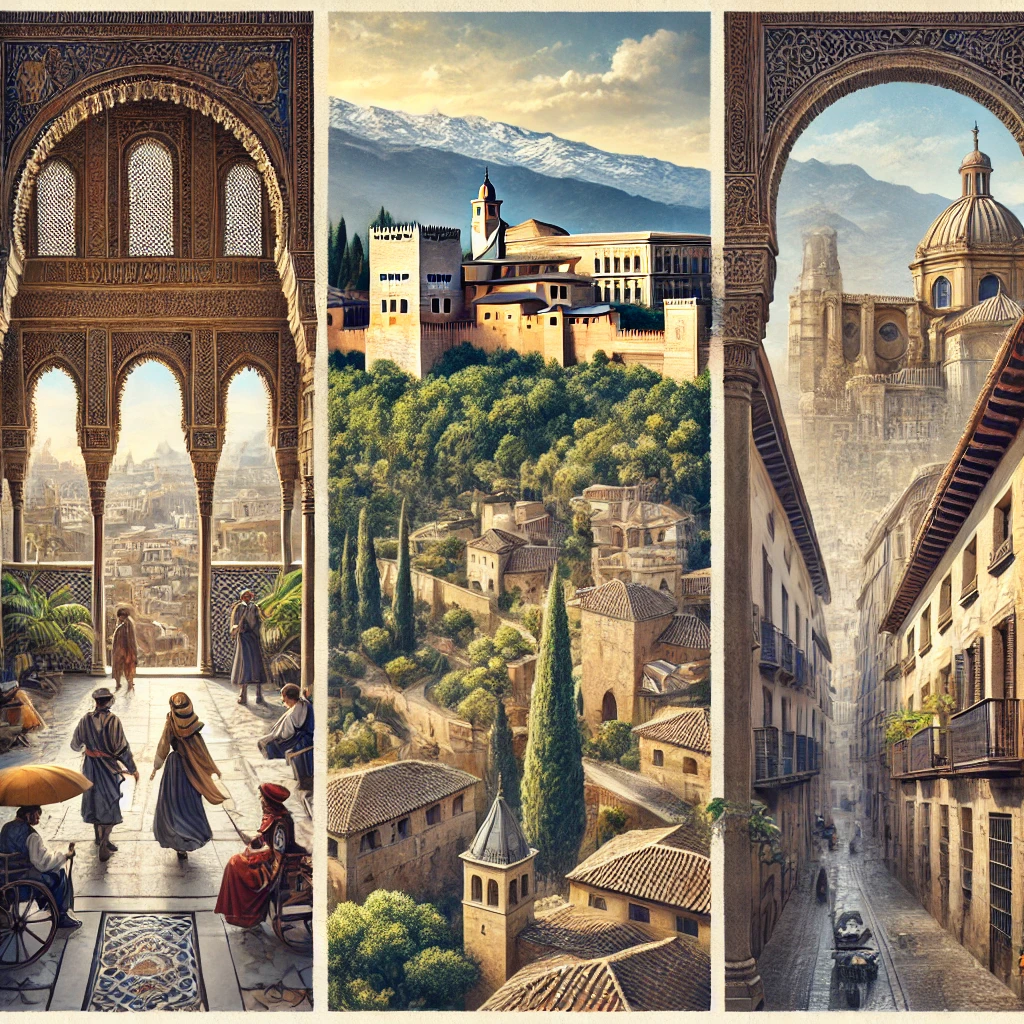
Understanding Historical Contexts
To fully appreciate cultural and historical sites, asking questions about their history and significance can be enlightening. Here are some useful phrases to engage your tour guide:
- ¿Cuál es la historia de este lugar? – What is the history of this place?
- ¿Quién construyó este monumento? – Who built this monument?
- ¿Por qué es este sitio importante? – Why is this site important?
- ¿Qué eventos históricos ocurrieron aquí? – What historical events happened here?
- ¿Qué influencia tiene este lugar en la cultura local? – What influence does this place have on the local culture?
- ¿Puede contarme más sobre esta obra de arte? – Can you tell me more about this artwork?
- ¿Qué significa este símbolo? – What does this symbol mean?
These questions will help you gain deeper insights into the locations you visit, making your experience more enriching and memorable.
Interacting with Locals
Part of the charm of traveling is interacting with locals, which can provide a wealth of knowledge and a more authentic experience. Here are some phrases to help you communicate effectively:
- ¿De dónde eres? – Where are you from?
- ¿Qué recomienda visitar aquí? – What do you recommend visiting here?
- Me encanta esta ciudad – I love this city
- ¿Puedes contarme sobre tus tradiciones? – Can you tell me about your traditions?
- ¿Cuál es tu comida favorita? – What is your favorite food?
- ¿Cuál es tu lugar favorito aquí? – What is your favorite place here?
- ¿Hay alguna festividad local próximamente? – Is there any local festivity coming up?
- Muchas gracias por tu ayuda – Thank you very much for your help
These phrases can pave the way for meaningful conversations and connections with local residents, adding a personal touch to your travel experiences.
Practical Phrases for Emergencies
Being prepared for emergencies is always wise when traveling. Here are some essential phrases to use in case you find yourself in a difficult situation:
- Necesito ayuda – I need help
- He perdido mis documentos – I have lost my documents
- ¿Dónde está la embajada más cercana? – Where is the nearest embassy?
- Tengo una emergencia – I have an emergency
- ¿Puede llamar a la policía? – Can you call the police?
- Me siento mal – I feel sick
- Necesito un médico – I need a doctor
- ¿Cuál es el número de emergencia aquí? – What is the emergency number here?
Knowing these phrases can provide some peace of mind as you explore new destinations, ensuring you’re prepared for any unexpected situations.
Conclusion
Equipping yourself with essential Spanish phrases for cultural and historical tours can significantly enhance your travel experiences. From making a good first impression with basic greetings, navigating your tour with ease, understanding the rich historical contexts, interacting with locals, to being prepared for emergencies, these phrases span a wide range of situations you might encounter.
Remember, the key to mastering these phrases is consistent practice. Try to use them as often as possible, even outside of your tours, to build confidence and fluency. You can also consider engaging in conversations with native speakers or using language learning apps to reinforce your skills.
The more you immerse yourself in the language, the more rewarding your travel experience will be. You’ll find that people are often appreciative of your efforts to communicate in their language, and this can lead to deeper connections and a more genuine understanding of the local culture.
As you prepare for your next cultural or historical tour, keep this guide handy. Practice these phrases, and embrace the adventure that comes with exploring Spanish-speaking regions. Your journey will be all the more enriching as you connect with the history, culture, and people through the power of language.