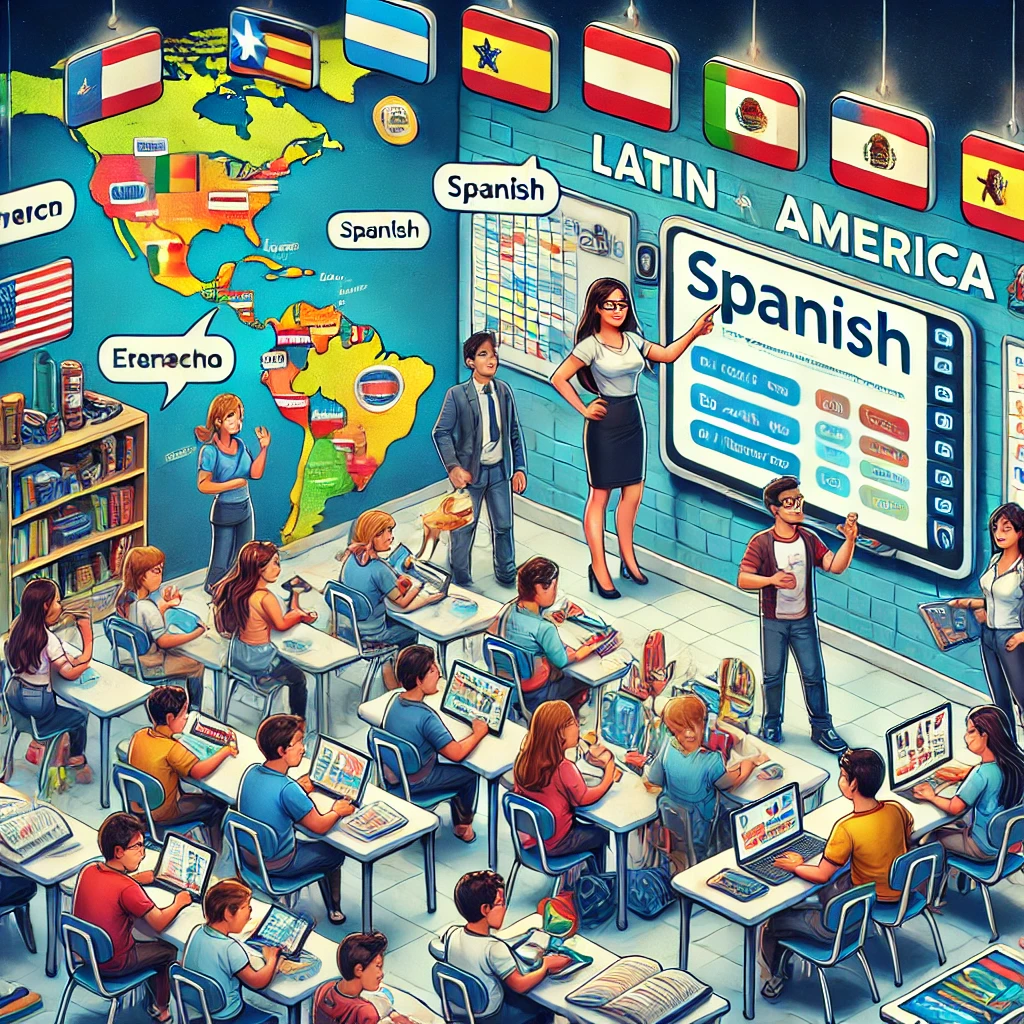
Spanish, a language spoken by over 580 million people globally, holds a position of great cultural, economic, and political significance. While predominantly spoken in Spain and Latin America, its influence extends far beyond these regions. In recent years, there has been a concerted effort to advocate for the Spanish language in non-Spanish speaking countries. These initiatives are driven by a myriad of factors, including the growing Hispanic diaspora, the increasing importance of Spanish in global business, and the rich cultural heritage that the language represents.
For educators, policymakers, and language enthusiasts, understanding the dynamics of Spanish language advocacy is crucial. Promoting Spanish in countries where it is not the primary language involves a blend of educational reforms, community efforts, and strategic partnerships. This article explores the various facets of Spanish language advocacy, highlighting successful initiatives, the challenges faced, and the impact of these efforts on learners and communities. By examining these aspects, we aim to provide a comprehensive overview that can inspire and guide ongoing and future advocacy efforts.
Educational Initiatives
One of the most effective strategies for promoting Spanish in non-Spanish speaking countries is through educational initiatives. Schools and universities play a pivotal role in fostering a new generation of Spanish speakers. In many countries, Spanish is offered as a second language option, with curriculums designed to cater to different proficiency levels.
Programs such as bilingual education and immersion classes are particularly impactful. These programs not only teach the language but also immerse students in the cultural context, making the learning experience more holistic and engaging. For instance, in the United States, dual-language programs are growing in popularity. These programs split instruction time between English and Spanish, helping students become proficient in both languages.
Moreover, partnerships between educational institutions in Spanish-speaking and non-Spanish-speaking countries can foster language exchange programs. These initiatives allow students to experience real-world applications of their language skills, promoting a deeper understanding and appreciation of the Spanish language.
Community Efforts
Community-based efforts are another cornerstone of Spanish language advocacy. Hispanic communities in non-Spanish speaking countries often organize events, workshops, and cultural programs to promote the language. These initiatives create a vibrant cultural tapestry that invites participation from both native speakers and learners.
Community centers, libraries, and local organizations frequently host Spanish language classes and conversation groups. These settings provide a supportive environment for learners to practice their skills and build confidence. Additionally, cultural festivals celebrating Hispanic heritage offer an immersive experience, showcasing the art, music, and traditions associated with the Spanish language.
Volunteer groups and non-profit organizations also play a crucial role. By providing resources such as textbooks, online courses, and tutoring services, these groups help make Spanish language education accessible to a broader audience. Their efforts ensure that anyone with an interest in learning Spanish has the opportunity to do so.
Economic and Business Incentives
The economic benefits of learning Spanish cannot be overstated. In the global job market, bilingualism is a highly sought-after skill. Companies operating in international markets value employees who can communicate effectively with Spanish-speaking partners and clients. This demand has driven many businesses to support Spanish language education for their employees.
Corporate-sponsored language courses and workshops are becoming increasingly common. Firms recognize that investing in language training can lead to better business outcomes. Employees who are proficient in Spanish can navigate cross-cultural communications more effectively, negotiate deals, and tap into new markets.
Furthermore, the rise of Spanish as a global trade language has led to the establishment of professional networks and associations dedicated to fostering business relations between Spanish-speaking and non-Spanish-speaking countries. These networks frequently organize business conferences, trade fairs, and networking events where Spanish is the lingua franca, further promoting the language’s utility in the business world.
Media and Technology
The advent of digital media and technology has revolutionized language learning and advocacy. Online platforms and mobile applications make learning Spanish accessible to anyone with an internet connection. Websites, podcasts, and YouTube channels offer a wealth of resources, from beginner lessons to advanced linguistic analysis.
Language learning apps like Duolingo, Babbel, and Rosetta Stone provide interactive and gamified experiences, making the process enjoyable and engaging. These tools often include community features where learners can connect with native speakers for practice and feedback.
Moreover, Spanish-language media—television shows, movies, music, and news outlets—offer immersive learning experiences. By consuming content in Spanish, learners can improve their understanding of the language in context, pick up colloquial expressions, and enhance their listening and comprehension skills. Streaming services like Netflix and Spotify, with their vast libraries of Spanish-language content, have become invaluable tools for language learners.
Policy and Government Support
Government policies and support play a significant role in the success of Spanish language advocacy. In many countries, educational policy reforms have included the integration of Spanish into the national curriculum. These policies ensure that students have the option to learn Spanish from a young age, laying a strong foundation for future proficiency.
Additionally, government-backed cultural exchange programs facilitate mutual understanding and language learning. Scholarships for students to study in Spanish-speaking countries, as well as hosting Spanish-speaking exchange students, enhance the learning experience and foster global connections.
Government agencies often collaborate with embassies and cultural institutes to promote Spanish language and Hispanic culture. Institutes like the Instituto Cervantes, with branches worldwide, offer Spanish courses, literature programs, and cultural events. These institutions serve as cultural ambassadors, bridging the gap between Spanish-speaking and non-Spanish-speaking communities.
Conclusion
The advocacy for Spanish language education in non-Spanish speaking countries is a multifaceted endeavor that involves a synergy of educational initiatives, community efforts, economic incentives, media, technology, and government support. The collective impact of these strategies is profound, contributing to the global spread and appreciation of the Spanish language.
As the world becomes increasingly interconnected, the ability to communicate in multiple languages is an invaluable skill. Spanish, with its rich cultural heritage and economic significance, stands out as a language worth learning and promoting. The initiatives and efforts outlined in this article demonstrate that with the right support and resources, Spanish language advocacy can thrive even in regions where it is not the primary language.
For policymakers, educators, community leaders, and language enthusiasts, the promotion of Spanish language education requires continuous effort and innovation. By building on existing successes and addressing emerging challenges, we can ensure that the Spanish language continues to grow and flourish globally.