

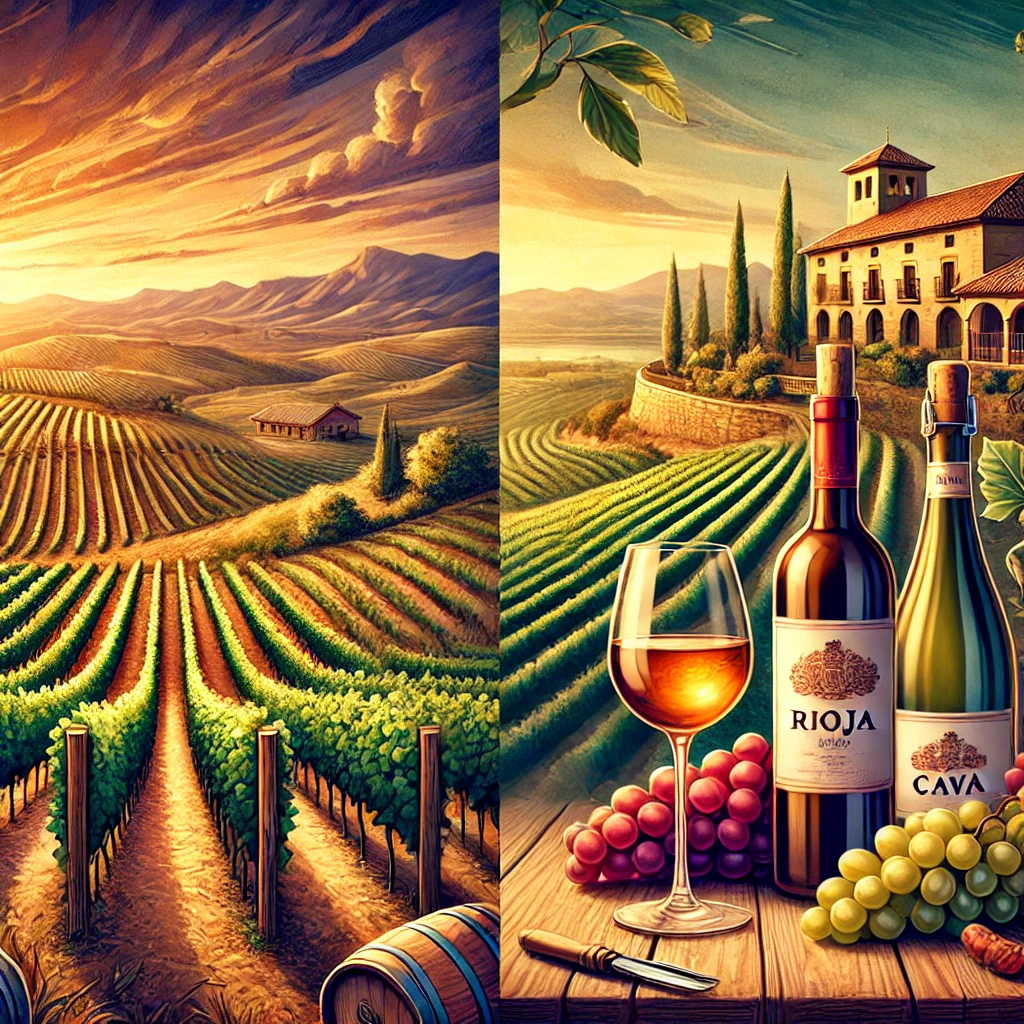
Spain is renowned for its rich and diverse wine culture, offering a myriad of flavors that cater to various palates. From the robust reds of Rioja to the sparkling Cavas of Catalonia, the country’s wine regions are as varied as its landscapes. Understanding the key vocabulary associated with Spanish wine is crucial for any wine enthusiast or anyone looking to deepen their appreciation of Spain’s oenological heritage.
In this article, we will delve into essential terms and phrases related to Spanish wine regions. Whether you’re planning a wine-tasting trip or simply want to enhance your knowledge for an upcoming dinner party, mastering these terms will help you navigate the world of Spanish wines with confidence and sophistication. Let’s begin by exploring the fundamental terms you need to know.
La Rioja: The Heart of Spanish Wine
La Rioja is arguably the most famous wine region in Spain. Known for its Tempranillo-based wines, it is a must-visit for any wine lover. Here are some key terms to familiarize yourself with:
- Denominación de Origen Calificada (DOCa): This is the highest classification of Spanish wines, indicating that the wine comes from a region with a long track record of consistent quality, like Rioja.
- Tempranillo: The primary grape variety used in Rioja wines. It is known for its deep color, moderate acidity, and flavors of berries, plum, tobacco, vanilla, leather, and herb.
- Crianza: A classification indicating that the wine has been aged for a minimum of two years, with at least one year in oak barrels.
- Reserva: A wine that has been aged for a minimum of three years, with at least one year in oak barrels.
- Gran Reserva: A wine that has been aged for at least five years, with a minimum of two years in oak barrels.
Ribera del Duero: A Rising Star
Situated along the Duero river, Ribera del Duero is known for its full-bodied red wines primarily made from the Tempranillo grape, locally referred to as Tinto Fino or Tinta del País. Key vocabulary for this region includes:
- Denominación de Origen (DO): This classification indicates that the wine comes from a recognized wine-producing area with regulated quality standards.
- Pago: A term used to describe a specific vineyard or estate noted for its exceptional quality, similar to the concept of ‘Cru’ in French wine terminology.
- Tinto Fino/Tinta del País: Local names for the Tempranillo grape, which dominates the region’s red wines.
- Bodegas: Wineries or wine cellars where the production, aging, and storage of wine take place.
- Barrica: Oak barrels used for aging wine, imparting flavors of vanilla, spice, and toast.
Catalonia: Sparkling Diversity
Catalonia, home to the bustling metropolis of Barcelona, is also a significant wine-producing region. Known for its diverse range of wines, including the famous Cava, Catalonia offers something for every wine lover. Important terms to know include:
- Cava: A sparkling wine made using the traditional method, similar to Champagne. It can be white or rosé and ranges from Brut Nature (very dry) to Dulce (sweet).
- Penedès: A key wine region within Catalonia, renowned for its production of both Cava and still wines.
- Xarel-lo, Macabeo, Parellada: The primary grape varieties used in the production of Cava.
- Gran Reserva: In the context of Cava, this term signifies that the sparkling wine has been aged for a minimum of 30 months.
- Vino Dulce: Sweet wine, often served as a dessert wine.
Jerez: The Land of Sherry
Jerez, located in the Andalusian region of southern Spain, is synonymous with Sherry production. This fortified wine has a rich history and a unique production process. Essential vocabulary includes:
- Sherry: A fortified wine made from white grapes, primarily Palomino, Pedro Ximénez, and Moscatel.
- Fino: A dry, pale Sherry aged under a layer of yeast called ‘flor’ to prevent oxidation.
- Oloroso: A darker and richer Sherry, aged longer and exposed to air, resulting in a more oxidized flavor profile.
- Amontillado: Sherry that starts as a Fino but is then aged enough to develop some Oloroso characteristics.
- Pedro Ximénez (PX): A very sweet Sherry made from the Pedro Ximénez grape, often enjoyed as a dessert wine.
Priorat: A Hidden Gem
Priorat, a small but prestigious wine region in Catalonia, is celebrated for its powerful red wines made from Garnacha and Cariñena. Familiar terms include:
- Garnacha: Known as Grenache in France, this red grape produces wines with high alcohol content and flavors of red fruit and spice.
- Cariñena: Also known as Carignan, this grape variety adds color, acidity, and tannin to blends.
- Llicorella: A type of slate soil found in Priorat, contributing to the unique terroir of the region’s wines.
- Vino de Guarda: Wines intended for aging, often from high-quality vintages and specific vineyards.
- Decantador: A decanter, used to aerate wine by allowing it to breathe, enhancing its flavors and aromas.
Conclusion: Enhancing Your Spanish Wine Experience
Understanding the key vocabulary associated with Spanish wine regions can significantly enhance your wine-tasting experiences and deepen your appreciation of Spain’s diverse oenological landscape. From the famed Rioja and Ribera del Duero to the sparkling delights of Catalonia and the unique Sherry of Jerez, each region offers its own unique characteristics and terminologies.
By familiarizing yourself with these terms, you not only gain a better understanding of the wines you enjoy but also show respect and appreciation for the rich traditions and careful craftsmanship behind each bottle. Whether you’re a seasoned wine connoisseur or just beginning your journey into the world of Spanish wines, these key vocabulary terms will serve as a valuable guide.
So, the next time you raise a glass of Spanish wine, take a moment to savor the rich flavors, the history, and the craftsmanship that went into creating it. With this newfound knowledge, you’ll be well-equipped to explore and enjoy the incredible wines that Spain has to offer. Salud!


