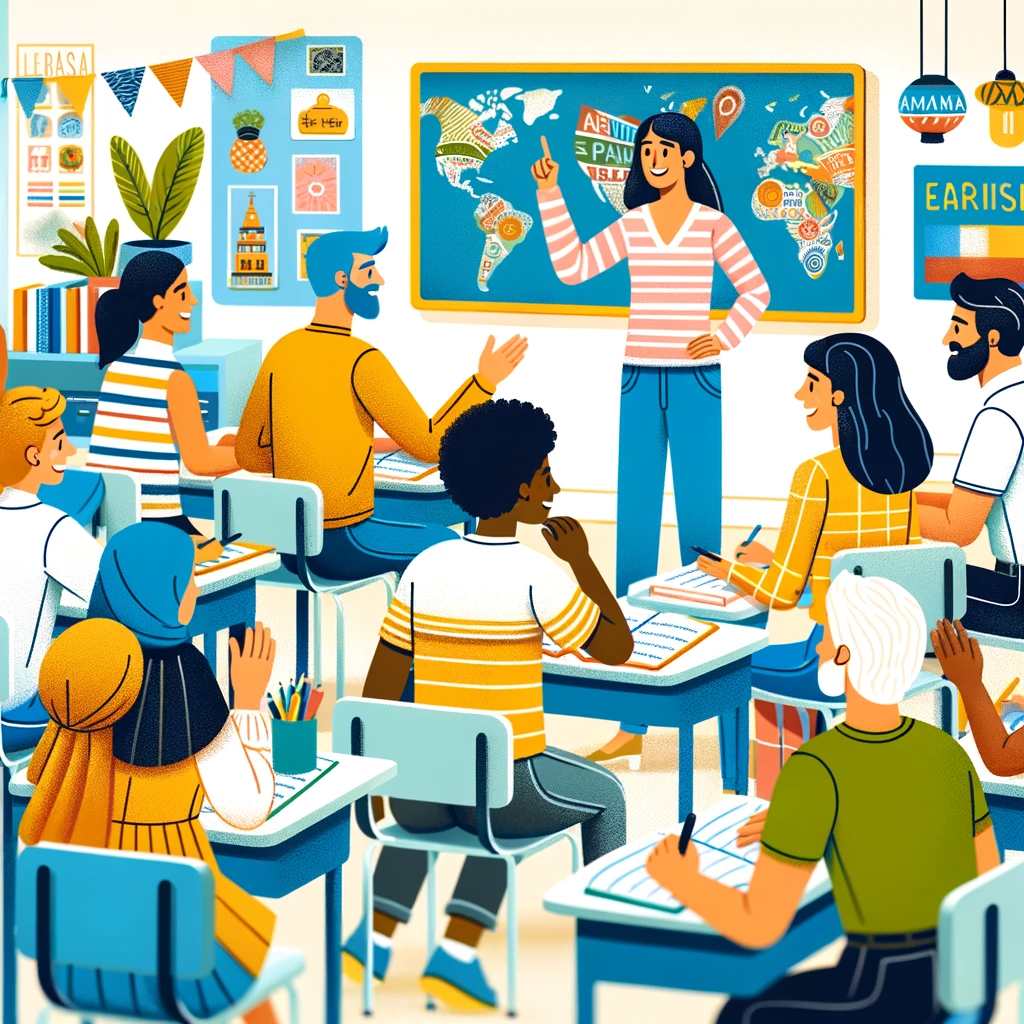
When learning a new language, understanding the nuances of grammar can be challenging yet rewarding. In Spanish, one of the fundamental aspects of grammar is the agreement in gender and number, especially when addressing or referring to groups. This article aims to explore how gender and number agreement works in Spanish, particularly when discussing mixed gender groups, providing clear examples and tips to help learners grasp these concepts effectively.
Understanding Gender in Spanish
Spanish nouns are gendered, meaning they are either masculine or feminine. This gender affects not only the nouns themselves but also the adjectives or articles connected to them. Generally, nouns ending in “-o” are masculine, while those ending in “-a” are feminine. There are exceptions and special cases, such as “mano” (hand), which is feminine, and “día” (day), which is masculine. It’s important to memorize these exceptions as part of your language study.
The Plural Rules
To form the plural in Spanish, if a noun ends in a vowel, simply add “-s.” If it ends in a consonant, add “-es.” For nouns ending in “-z,” change the “-z” to “-ces.” For example:
- Chico (boy) becomes chicos (boys)
- Ciudad (city) becomes ciudades (cities)
Addressing Mixed Gender Groups
When referring to a group that includes both males and females, Spanish typically favors the masculine plural form. This is a rule that applies regardless of the number of males and females in the group. For instance, if you have a group of nine women and one man, you would still refer to the group in the masculine plural:
- Amigos (friends)
- Estudiantes (students)
Recent Changes and Social Considerations
In recent years, there has been a shift in how people address mixed gender groups, driven by a broader awareness of gender inclusivity. Traditional grammar rules prescribe using the masculine plural, but this has been challenged by those advocating for more inclusive language practices. As a result, alternatives are being used more frequently, especially within progressive communities or formal settings concerned with gender equality.
One popular method is the use of the “@” symbol or the letter “x” to denote a gender-neutral form, though these are not easily pronounced and are more common in written communication. For example:
- Amig@s (friends)
- Chicxs (kids)
More recently, the use of the letter “e” as a neutral ending has gained traction, as it is easily pronounceable and integrates smoothly into spoken Spanish. This approach is becoming increasingly accepted in educational materials and more formal communications. Examples include:
- Amigues (friends)
- Estudiantes (students)
Practical Examples
To fully grasp the concept, let’s look at some practical examples of addressing mixed gender groups in various contexts:
1. Casual Conversation: In everyday conversations, it’s common to use the traditional masculine plural:
- ¿Cómo están, chicos? (How are you guys doing?)
2. Formal Settings: In more formal or progressive settings, using the gender-neutral form can be more appropriate:
- Buenas tardes a todos y todas (Good afternoon to all)
3. Written Communications: When writing, especially in contexts where inclusivity is emphasized, alternatives like “e” or “@” can be used:
- Queridos amig@s (Dear friends)
Tips for Non-Native Speakers
- Practice and Context: Understanding when and how to use these forms comes from practice and exposure. Engage with diverse media sources and listen to how native speakers address groups in different settings.
- Ask for Preferences: In environments where gender sensitivity is important, it can be useful to ask individuals or groups about their preferred pronouns or forms of address. This not only helps in language learning but also shows respect for cultural shifts in language use.
- Language Immersion: Immersing yourself in the language through travel, media consumption, or conversation with native speakers can significantly help in understanding the nuances of these grammatical rules.
Addressing mixed gender groups in Spanish is evolving. Traditional rules dictate the use of the masculine plural form, but changes in societal attitudes towards gender are reshaping the language to be more inclusive. Whether you choose to stick with traditional methods or adopt new, inclusive forms, understanding the context and preferences of your audience is key. Embracing these nuances not only enriches your language skills but also enhances your cultural competence, an invaluable asset in our globalized world.

Adapting to Language Evolution
Language is not static; it evolves in response to cultural shifts and societal needs. As Spanish continues to adapt to the concept of gender inclusivity, speakers and learners alike must navigate these changes effectively. Understanding the dynamics of gender and number agreement when addressing mixed gender groups is crucial in becoming proficient and sensitive in the language.
Incorporating Inclusive Language in Education
Educational settings are at the forefront of implementing inclusive language practices. Teachers and curriculum developers are increasingly integrating gender-neutral terms into lessons to accommodate all students. This practice not only reflects linguistic inclusivity but also fosters an environment of equality and respect among students.
Example in Education:
When a teacher addresses their class in a more inclusive manner, they might say:
- “Querides estudiantes, por favor abran sus libros.” (Dear students, please open your books.) This form acknowledges all gender identities by using the gender-neutral “e” and sets a tone of inclusivity within the classroom.
Challenges of Inclusivity in Language
While the shift towards more inclusive language is gaining momentum, it also presents challenges, particularly for learners and non-native speakers. The addition of new grammatical rules adds complexity to language learning and usage. However, these challenges also present an opportunity for deeper engagement with the language and its cultural context.
Dealing with Resistance
Not everyone agrees with modifying language for inclusivity. Some argue that it complicates learning and goes against traditional linguistic structure. It’s important for learners to be aware of these differing viewpoints and to understand the reasons behind them, which often stem from cultural and generational perspectives.
Tips for Embracing New Language Forms
- Be Open and Adaptable: Language learning is not just about grammar and vocabulary; it’s also about adapting to linguistic changes that reflect societal values.
- Educate Yourself: Stay informed about new developments in Spanish language usage through reliable sources and ongoing education.
- Practice Regularly: Use inclusive forms in your daily Spanish practice to become comfortable with them. This could involve writing exercises, conversations, or language exchange sessions.
- Respect Cultural Differences: Recognize that the acceptance of inclusive language varies widely across different Spanish-speaking regions and communities. Adapt your language use according to the cultural context.
The Role of Media and Technology
Media and technology play pivotal roles in disseminating and normalizing new linguistic forms. Social media, online platforms, and digital communication tools are powerful in influencing language use and spreading inclusive practices. Engaging with Spanish media that uses inclusive language can provide practical examples and help learners understand its application in real-time communication.
Conclusion
Addressing mixed gender groups in Spanish is a dynamic and evolving aspect of the language that mirrors broader societal changes towards gender inclusivity. While traditional grammar rules have long dictated the use of masculine plurals, the growing acceptance of gender-neutral forms is indicative of a linguistic shift towards more equitable communication. For Spanish learners and speakers, adapting to these changes is not just about linguistic accuracy but also cultural sensitivity. Embracing these developments can enhance interpersonal communication and deepen connections across diverse communities.
As Spanish continues to evolve, so too does our understanding of how best to use it in a way that respects and reflects its speakers’ identities. By staying informed and flexible, learners can navigate these changes effectively, contributing to a more inclusive and dynamic use of the language.