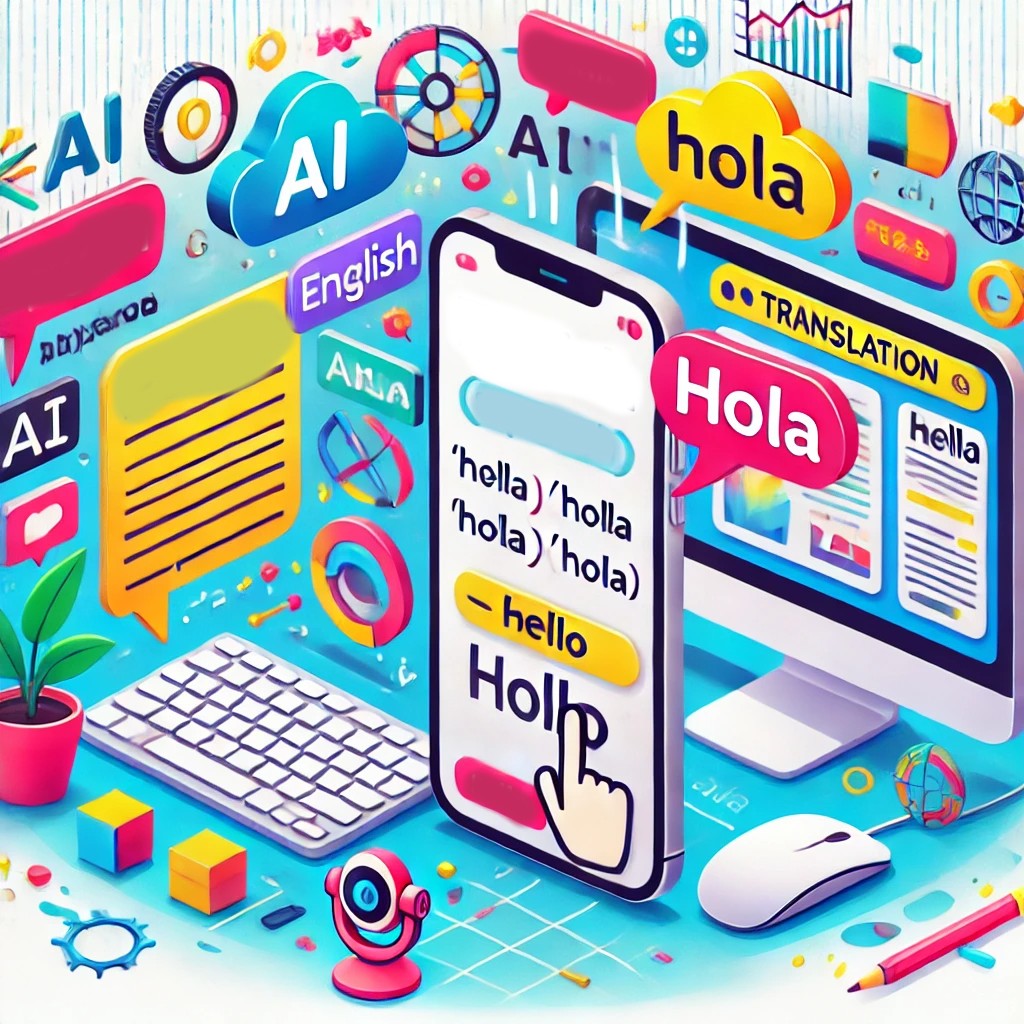

In today’s interconnected world, proficiency in multiple languages has become a vital asset, especially in the professional sphere. One language that has seen a significant surge in importance – particularly within the tech industry – is Spanish. With over 460 million native speakers globally, Spanish stands as the second most spoken language by native speakers. The United States alone boasts the second-largest Spanish-speaking population in the world, making it a crucial language for businesses, especially those in the tech sector that operate on a global scale.
As the tech industry continues to break down global barriers and tech companies expand their reach into burgeoning markets, the need for multilingual professionals has become more pronounced. Spanish speakers, in particular, are invaluable. Understanding cultural nuances and regional dynamics is essential for effective communication, collaboration, and ultimately market expansion. Spanish serves as a bridge that facilitates smoother interactions, project management, and customer relations across Spanish-speaking countries in Latin America, Europe, and beyond.
This article explores the increasing importance of Spanish in the tech industry. We’ll delve into how knowledge of Spanish benefits tech professionals, the growing demand for Spanish speakers in tech roles, the impact of Spanish on customer service and user experience (UX), the role of Spanish in software development and IT, the advantages it brings to global project management, and ultimately, how embracing the language opens new opportunities for innovations and partnerships.
Spanish-Speaking Professionals in Demand
The demand for bilingual professionals in the tech industry has never been higher. Companies are increasingly recognizing the need for employees who can communicate effectively in both English and Spanish to tap into the vast Latin American market. For tech companies, this ability boosts customer service, facilitates ease of communication in international relations, and enhances teamwork within diverse workplaces.
In the United States, the Hispanic community is the fastest-growing demographic. This growth translates to an expanding consumer market that tech companies cannot afford to ignore. As a result, there is a strong push to hire Spanish-speaking professionals who can cater to this growing customer base. Roles such as sales managers, customer support representatives, marketing specialists, and even engineers who are fluent in Spanish are becoming increasingly prevalent.
Moreover, Spanish proficiency is highly valued in tech hubs within Spanish-speaking countries, including Mexico, Colombia, Argentina, and Spain. These regions are home to numerous tech startups and established firms seeking bilingual employees to navigate both local and international markets efficiently. By hiring Spanish-speaking tech professionals, companies not only enhance their market reach but also promote inclusivity and cultural diversity within their workplaces.
Education systems are also responding to this demand by promoting bilingual educational programs, particularly in STEM fields. Students with proficiency in both English and Spanish are often better positioned to seize opportunities in the ever-evolving global tech landscape. The importance of Spanish in the tech industry is a trend that shows no sign of slowing down.
Enhancing Customer Service and User Experience (UX)
Customer service and user experience (UX) are critical components of the success of any tech product or service. Clear and effective communication with users is essential to resolve issues, gather feedback, and improve overall user satisfaction. For tech companies targeting Spanish-speaking markets, the ability to provide support in Spanish is a considerable advantage.
Spanish-speaking customer support representatives can address inquiries and troubleshoot problems more efficiently, building trust and loyalty among users. This localized support often leads to higher customer satisfaction rates and can differentiate a company from its competitors. Furthermore, native Spanish speakers can better understand cultural nuances and expectations, allowing them to deliver a more personalized and relatable service.
In addition to customer service, UX designers and researchers benefit from Spanish proficiency. When conducting user research or usability testing in Spanish-speaking regions, language skills enable them to communicate directly with users, gather accurate insights, and make informed design decisions. This direct communication helps create user interfaces and experiences that resonate with Spanish-speaking users, ultimately leading to higher engagement and adoption rates.
Multilingual UX designers also help avoid miscommunication and potential cultural faux pas that could hinder product acceptance. By speaking the same language as their target audience, they can incorporate culturally relevant design elements and messaging that enhance the overall user experience. This attention to detail not only improves the usability of tech products but also fosters positive brand perception and loyalty.

The Role of Spanish in Software Development and IT
Software development and IT are at the heart of the tech industry. Proficiency in Spanish can be a valuable asset for professionals in these fields, particularly when collaborating with international teams or working on projects for Spanish-speaking clients. Understanding technical terminology in both English and Spanish allows developers and IT professionals to communicate more effectively, avoid misunderstandings, and streamline project workflows.
Many tech companies maintain development teams across different countries to leverage diverse skill sets and optimize costs. In such scenarios, bilingual Spanish-speaking professionals facilitate smoother communication and collaboration between teams in different locations. They can convey technical requirements, provide clear instructions, and ensure that all team members are on the same page, leading to more efficient project execution.
Moreover, having Spanish-speaking software developers and IT specialists is valuable when troubleshooting issues or providing technical support to Spanish-speaking users. These professionals can diagnose and address problems more accurately, reducing downtime and improving user satisfaction. Additionally, they can contribute to the creation of documentation, tutorials, and support materials in Spanish, making it easier for users to understand and utilize tech products and services.
Spanish proficiency also plays a role in localizing software and applications for Spanish-speaking markets. Localization goes beyond mere translation and involves adapting the product to meet cultural and regional preferences. Bilingual developers can ensure that software is user-friendly, intuitive, and culturally relevant, thereby increasing its appeal and usability in Spanish-speaking regions.
Global Project Management and Cross-Cultural Collaboration
In the tech industry, global project management and cross-cultural collaboration are common. Projects often involve teams from different countries working together to achieve a common goal. Effective communication is paramount to the success of these collaborative efforts, and language proficiency plays a critical role.
Project managers who speak Spanish can efficiently coordinate activities, set expectations, and facilitate discussions among team members from Spanish-speaking regions. They can bridge language gaps, mitigate misunderstandings, and ensure that everyone is aligned with project objectives. This capability is especially important in complex projects where clear communication is crucial to meeting deadlines and delivering high-quality results.
Spanish-speaking project managers also foster a sense of inclusivity and respect among team members. When team members can communicate in their native language, they feel more valued and understood, which enhances team morale and productivity. Cross-cultural collaboration is enriched by the ability to navigate different linguistic and cultural contexts, leading to innovative solutions and improved project outcomes.
In addition, Spanish proficiency is advantageous when negotiating with clients or partners from Spanish-speaking regions. It demonstrates a commitment to understanding and respecting their language and culture, which can strengthen business relationships and improve collaboration. The ability to engage in meaningful conversations and address concerns in Spanish builds trust and confidence, paving the way for successful project partnerships and future opportunities.
Opportunities for Innovation and Partnerships
The tech industry is driven by innovation and collaboration. Proficiency in Spanish opens up new opportunities for tech professionals to engage in innovative projects and form strategic partnerships with Spanish-speaking entities. Spanish-speaking regions, including Latin America and Spain, are home to vibrant tech ecosystems with a wealth of talent, creativity, and entrepreneurial spirit.
By mastering Spanish, tech professionals can tap into these ecosystems, collaborate with local startups, and co-create solutions that address regional challenges. They can participate in industry events, conferences, and hackathons held in Spanish-speaking countries, expanding their network and staying abreast of the latest trends and advancements. Engaging with Spanish-speaking innovators fosters the exchange of ideas and knowledge, driving the development of cutting-edge technologies and products.
Furthermore, tech companies that prioritize Spanish proficiency can forge strategic partnerships with Spanish-speaking businesses and institutions. These partnerships can range from joint ventures and research collaborations to market expansion initiatives. By leveraging the strengths and expertise of their partners, tech companies can accelerate their growth, access new markets, and deliver tailored solutions that meet the needs of Spanish-speaking consumers.
In addition, Spanish proficiency enhances a company’s ability to attract investment from Spanish-speaking investors and venture capitalists. Investors are more likely to support ventures that demonstrate a deep understanding of their target markets and cultural contexts. By showcasing their multilingual capabilities, tech companies can position themselves as attractive investment opportunities and secure the funding needed to fuel their growth and innovation.
Conclusion: Embracing Spanish for Tech Success
As the tech industry continues to evolve and expand globally, the importance of Spanish proficiency cannot be overstated. Spanish serves as a powerful tool for tech professionals to enhance their communication, collaboration, and market reach in Spanish-speaking regions. From customer service and user experience to software development and global project management, the ability to understand and speak Spanish provides a competitive edge and opens up a wealth of opportunities.
Spanish-speaking professionals are in high demand, and their presence in tech companies contributes to improved customer satisfaction, streamlined project workflows, and successful cross-cultural collaborations. By investing in Spanish language skills and promoting bilingual education, tech organizations can build diverse and inclusive teams capable of navigating the complexities of a globalized world.
Moreover, Spanish proficiency empowers tech professionals to engage in innovative projects, form strategic partnerships, and attract investment from Spanish-speaking stakeholders. As the tech landscape continues to evolve, those who embrace Spanish will be better positioned to drive innovation, address regional challenges, and achieve long-term success in an increasingly interconnected and multicultural world.