In today’s globalized world, bilingualism and multilingualism are considered invaluable assets, providing cognitive, social, and economic benefits. Among the myriad of languages spoken worldwide, Spanish holds a prominent place due to its extensive use across continents. In educational circles, promoting Spanish literacy has garnered significant attention, driven by the increasing number of Spanish speakers and the cultural importance of the language. This article focuses on community initiatives aimed at fostering Spanish literacy, highlighting their significance, various strategies employed, and their impact on communities. From grassroots efforts to institutional programs, these initiatives illustrate the power of collective action in enhancing language learning and literacy.
Grassroots Community Efforts
Grassroots efforts are the bedrock of community-driven literacy initiatives. These efforts often begin at the local level, driven by the needs and aspirations of community members. One notable example is the establishment of Spanish reading clubs, which have become popular in neighborhoods with a high density of Spanish speakers. These clubs provide a platform for individuals, both young and old, to engage with Spanish literature in a communal setting. They often feature reading sessions, discussions, and interactive activities that make learning enjoyable and effective.
Another grassroots initiative is the organization of language exchange programs. In such setups, native Spanish speakers are paired with individuals looking to learn Spanish, facilitating a mutual exchange of knowledge and cultural insights. This promotes not only language literacy but also cultural appreciation and empathy. Community centers and libraries often play a pivotal role in these efforts, offering space and resources to support these programs.
Moreover, grassroots efforts are often characterized by their adaptability and responsiveness to the specific needs of the community. These initiatives are typically low-cost and rely heavily on volunteer support, making them accessible and sustainable. Their informal nature encourages participation from a diverse group of people, including those who might feel intimidated by more formal educational settings.
School-Based Programs
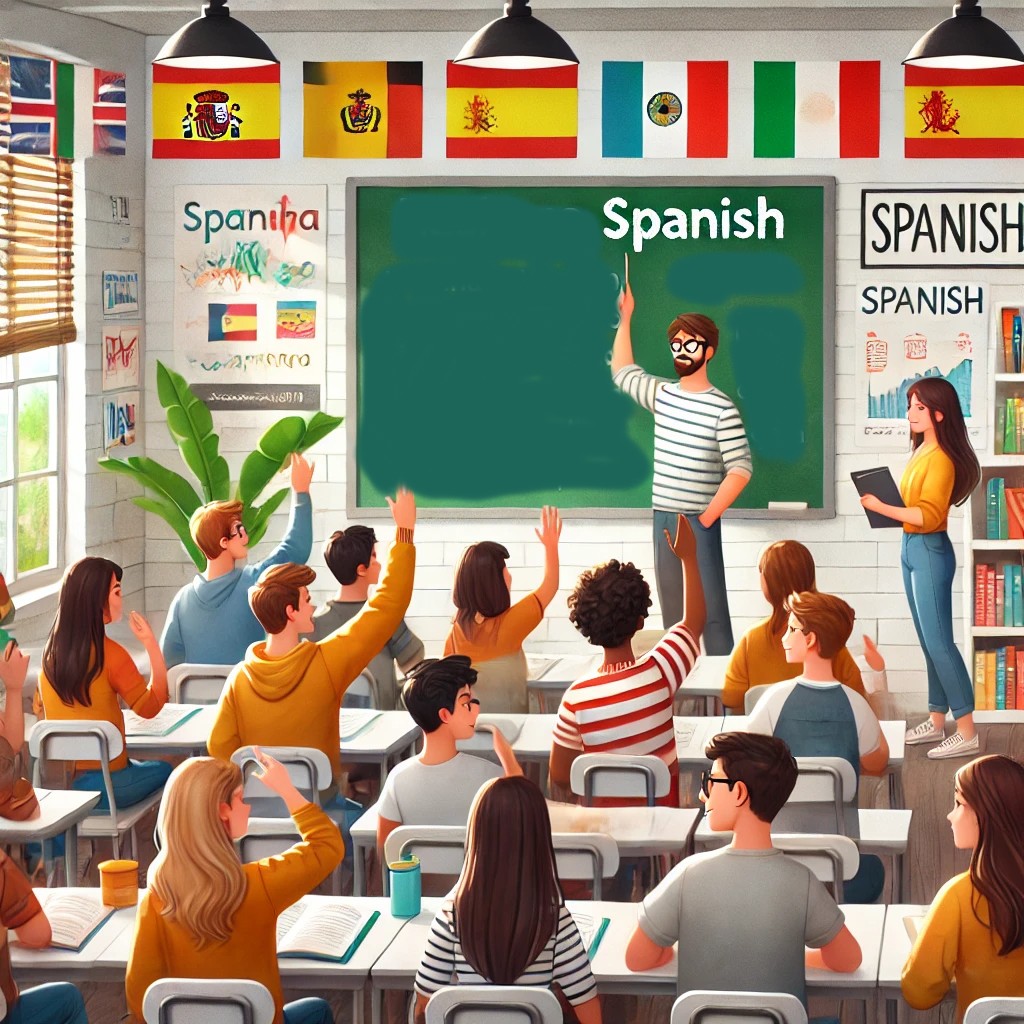
Schools serve as critical hubs for promoting Spanish literacy, especially in regions with significant Spanish-speaking populations. Many educational institutions have recognized the importance of bilingual education and have incorporated it into their curricula. Dual-language programs, where students receive instruction in both English and Spanish, are becoming increasingly common. These programs not only enhance Spanish literacy but also improve overall academic performance.
In addition to dual-language programs, schools often host extracurricular activities designed to promote Spanish literacy. Spanish clubs, for instance, provide students with additional opportunities to practice the language outside of the classroom. These clubs may organize events such as Spanish movie nights, cultural festivals, and language competitions, all of which contribute to a richer linguistic and cultural experience for the students.
Teacher training is another crucial component of school-based initiatives. Educators need to be equipped with the right skills and strategies to effectively teach Spanish. Professional development programs focusing on bilingual education best practices are essential in ensuring that teachers can provide high-quality instruction. Schools may also collaborate with organizations specializing in language education to develop robust Spanish literacy programs.

Non-Profit Organizations and NGOs
Non-profit organizations and non-governmental organizations (NGOs) play a vital role in promoting Spanish literacy on a larger scale. These organizations often have the resources and expertise to implement comprehensive literacy programs that reach a wide audience. For example, organizations like Literacy Partners and the Spanish Literacy Foundation focus on adult education, offering classes and workshops designed to improve Spanish literacy among adults.
These organizations also often engage in advocacy work, raising awareness about the importance of Spanish literacy and the educational needs of Spanish-speaking communities. They may conduct research, publish reports, and organize events to highlight challenges and opportunities in Spanish literacy education. By doing so, they help shape public policy and influence funding decisions related to language education.
Non-profits also frequently collaborate with schools, community centers, and other local organizations to maximize their impact. Through partnerships, they can extend their reach and offer more comprehensive services. For instance, a non-profit might work with a local library to provide free Spanish language classes for children and adults, leveraging the library’s resources and community connections.
Government Initiatives
Government initiatives are crucial in creating a supportive environment for Spanish literacy. Many countries, especially those with large Spanish-speaking populations, have implemented policies and programs aimed at promoting bilingual education. In the United States, for example, the Department of Education provides funding for bilingual education programs through grants such as the Title III grant program. These grants support school districts in their efforts to improve the education of English learners, including Spanish speakers.
At the local level, municipal governments often support community-based Spanish literacy programs. This support can come in various forms, such as funding for community centers, libraries, and other public spaces where literacy activities take place. Local governments may also run public awareness campaigns to highlight the benefits of bilingualism and encourage community participation in literacy programs.
Additionally, policies promoting cultural inclusivity and language access are essential in supporting Spanish literacy. For example, government agencies may provide services and information in multiple languages, including Spanish, to ensure that non-English speakers can access essential resources and support. By creating an inclusive environment, governments can help foster a culture of bilingualism and support the growth of Spanish literacy.
Corporate and Private Sector Contributions
The private sector also has a significant role to play in promoting Spanish literacy. Many corporations have recognized the value of bilingual employees and have invested in language education programs for their staff. Companies provide incentives for employees to learn Spanish, such as offering language classes or covering the cost of language courses. These initiatives not only enhance employees’ skills but also improve their career prospects and opportunities for advancement.
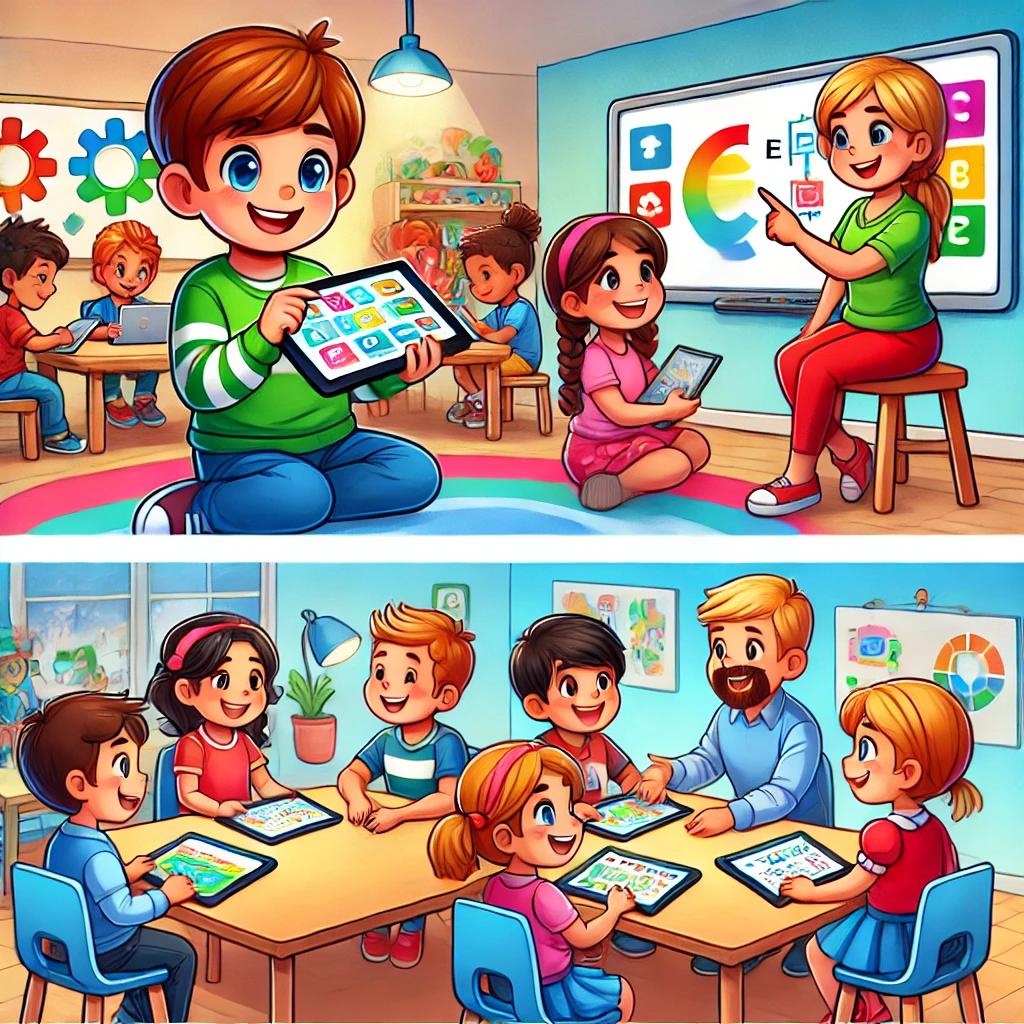
Tech companies, in particular, have made significant contributions to language education through innovative tools and platforms. Language learning apps like Duolingo and Babbel have made learning Spanish accessible to millions of people worldwide. These apps offer flexible and engaging learning experiences, allowing users to practice Spanish at their own pace and convenience. Additionally, tech companies often collaborate with educational institutions and non-profits to develop and distribute language learning resources.
Corporate social responsibility (CSR) programs also contribute to Spanish literacy initiatives. Companies may sponsor community events, donate to non-profits, and support educational programs that promote Spanish literacy. By investing in these initiatives, corporations can demonstrate their commitment to social responsibility and make a meaningful impact on the communities they serve.
Collaborative Efforts and Partnerships
Collaboration is key to the success of Spanish literacy initiatives. Partnerships between different stakeholders, including schools, non-profits, government agencies, and the private sector, can maximize resources and expertise. Collaborative efforts allow for a more holistic approach to language education, addressing the diverse needs of Spanish-speaking communities.
One example of successful collaboration is the formation of coalitions and networks dedicated to promoting Spanish literacy. These networks bring together various organizations and individuals working towards a common goal, fostering information sharing, best practices, and joint initiatives. By working together, coalition members can amplify their impact and achieve greater results.
Another key aspect of collaboration is community involvement. Engaging community members in the planning and implementation of literacy programs ensures that these initiatives are relevant and responsive to local needs. Community involvement also fosters a sense of ownership and commitment, increasing the likelihood of sustained participation and success.
Conclusion
Promoting Spanish literacy requires a multifaceted approach, involving grassroots efforts, school-based programs, non-profit organizations, government initiatives, and corporate contributions. Each of these stakeholders brings unique strengths and resources to the table, highlighting the importance of collaboration and partnerships in achieving success. Ultimately, community-driven initiatives play a crucial role in fostering Spanish literacy, providing opportunities for individuals of all ages to engage with the language and develop their skills. Through collective action and a commitment to bilingual education, we can create inclusive and supportive environments that promote Spanish literacy and cultural appreciation.